Quick Answer
Bottom line: This profile helps you evaluate European travel services fast with essential decision data.
Key Facts
- Verification status: editorially reviewed
- Data refresh cycle: ongoing
- Best for: users comparing options quickly
# Best Car Rentals Europe 2026: Compare & Save
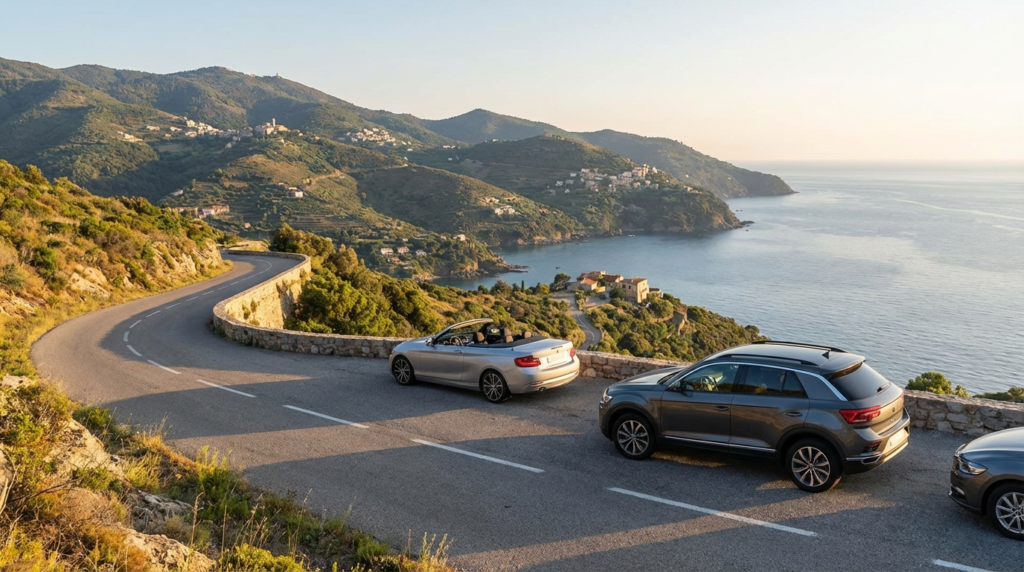
Look, renting a car in Europe is a total shift. It’s the difference between being stuck on a crowded bus and having the freedom to pull over at a random vineyard in Tuscany or a hidden castle in the Scottish Highlands. But let’s be real: the rental market can be a minefield of hidden fees and sketchy “upgrades” that turn a dream trip into a headache. Europe Trip Planner for First-Timers: Budget Cost Per Day…
I’ve put together this straight-up guide to help you snag the best car rental deal in Europe for 2026 without falling into the usual traps. Best Eastern Europe Road Trip 2 Weeks 2026: Routes That A…
Best Car Rental Companies in Europe
Not all rental desks are the same. Here’s my honest take on who’s actually worth your money: Europe Packing List Summer 2026: The Only Guide You Need
Enterprise & National
These guys consistently top my list. Why? They’ve got the best customer service and the most transparent pricing. You’ll probably pay a bit more than the budget brands, but in my experience, it’s worth it to avoid the “nasty surprise” at the counter. Honestly, they’re my first recommendation for a stress-free trip. Best European Beaches 2026: 15 Stunning Shores Worth Plan…
Europcar
They have a massive footprint across the continent. Prices are decent, and the fleet is reliable. Plus, if you’re planning to pick up a car in one country and drop it in another, their one-way options are usually much better than the competition.
Sixt
If you want something a bit nicer without a luxury price tag, go with Sixt. Their cars feel premium and their app is actually useful. I’ve found their loyalty program is one of the few that actually saves you time during pickup.
Hertz & Avis
The old guards. They’re everywhere. Pricing is mid-range, and if you’re part of their Gold or Preferred programs, you can usually skip the long lines. That’s a huge win after a long-haul flight.
Budget & Alamo
Exactly what they sound like, solid, no-frills options. They’re great if you’re watching your wallet and don’t mind a slightly more basic service experience.
Goldcar, InterRent, Buchbinder
These are the ultra-budget names you’ll see on comparison sites. You can get incredible deals here, but you need to be careful. Read the reviews for your specific location first. I’ve seen some locations get really aggressive with upselling or being “picky” about tiny scratches during return.
Best Tools for Comparing Car Rentals
AutoEurope
This is usually my first stop. They’re a broker specifically focused on Europe and often have negotiated rates you won’t find elsewhere. They’re also very clear about what’s actually included in the price.
Rentalcars.com (Booking.com)
Probably the biggest player. The filters are excellent. Pro tip: Use the “fully inclusive” filter. It shows you the real price with all the fees baked in, so you aren’t fooled by a low teaser rate.
Kayak Car Rentals
Great for a quick scan of the market. I like their price forecast feature, it’s pretty good at telling you if you should book now or wait.
DiscoverCars.com
A strong alternative to Rentalcars with really solid coverage and clear pricing.
One big tip: Always check a few platforms, then book the one with the best cancellation policy. Things change. Having the option to cancel for free is worth an extra few euros. (source: U.S. travel advisories)
Understanding Car Rental Fees: What They Don’t Tell You
This is where travelers get burned. That €15-a-day price you saw online? It’s rarely what you’ll actually pay. Here’s the deal: (source: EU tourism statistics)
Collision Damage Waiver (CDW)
This limits what you pay if the car gets wrecked. Most basic rentals include it, but with a massive “excess” (the out-of-pocket amount you owe). We’re talking €1,000 to €2,500. The agent will try to sell you “super CDW” for €10–20/day to bring that excess to zero.
You’ve got options:
– Option A: Just pay the extra €15/day for peace of mind. It’s clean and simple.
– Option B: Check your credit card. Many premium cards cover rental insurance. You need to call them before you leave to be 100% sure.
– Option C: Buy independent insurance (like InsureandGo). It’s usually way cheaper than the rental desk’s price.
Fuel Policy
“Full-to-full” is the only way to go. You get it full, you bring it back full. Anything else, like prepaying for a tank, is usually a rip-off because you don’t get a refund for the gas you don’t use.
Also, don’t wait until you’re at the airport to refuel. They’ll charge you double. Find a station 5-10 kilometers away.
Additional Drivers
Expect to pay €5–15/day for a second driver. Some companies waive this for spouses or loyalty members, so check that first.
Young Driver Surcharge
Under 25? You’re going to get hit with a daily fee, usually between €10 and €30. It’s annoying, but mostly unavoidable.
Cross-Border Fees
Planning to drive from Germany to Italy? You have to tell them. Crossing borders without authorization can void your insurance. It’s better to pay the small fee upfront than risk a total disaster later.
GPS/Navigation
Don’t pay for this. Seriously. It’s €10–15/day for a clunky GPS. Just use Google Maps on your phone. Download the offline maps before you leave, grab a cheap phone mount, and you’re good to go.
Child Seats
If you have kids, you need these by law. You can rent them for €5–10/day, but if you’re on a long trip, it’s sometimes cheaper to just buy a basic one locally or bring your own if you can check it for free.
Best Countries for a Europe Road Trip by Car
Not every country is fun to drive in (looking at you, narrow streets of Amalfi), but these are my favorites for a road trip:
Scotland: The Highlands are breathtaking. The roads are quiet but winding. Just remember: stay on the left!
Portugal: The Algarve and the Douro Valley are stunning. The roads are fantastic, and outside of peak summer, the traffic is basically non-existent.
Croatia: You need a car here. The Dalmatian coast is one of the best drives on the planet. Plus, you can hop on ferries to the islands.
Tuscany & Umbria, Italy: This is the classic. Rolling hills, medieval towns, and incredible food. Driving is the only way to see the real heart of the region.
The Romantic Road, Germany: It’s like driving through a fairy tale. Super easy to navigate and perfect for a first-time European driver.
Norway: Expensive? Yes. Worth it? Absolutely. The fjords are meant to be seen from the driver’s seat.
Practical Tips for Renting in Europe
Book early. I can’t stress this enough. If you’re going in July or August, car availability disappears fast. Try to book 6–8 weeks out for the best rates.
Take photos of EVERYTHING. Before you pull out of the lot, take timestamped photos of every single scratch, dent, and wheel scuff. I even take a quick video. If they try to charge you for “new” damage later, you’ve got the proof.
Learn the rules. Every country is different. Some require a “vignette” (a toll sticker) on the windshield (like Switzerland or Austria). Others have strict ZTL zones (restricted traffic) in city centers. Do a quick search for your destination so you don’t get a ticket in the mail six months later.
Diesel or Petrol? You need to know this. Putting the wrong fuel in a rental car is an incredibly expensive mistake. Most cars have a sticker inside the fuel flap.
Motorway tolls: Keep some cash and a card handy. Most tolls in France, Italy, and Spain are easy, but some places in Portugal use electronic-only tolls that require a transponder. Ask the rental agent about this when you pick up the keys.
Sample Pricing (2026)
Prices fluctuate, but here’s what you should expect to see in 2026:
– Economy (Fiat 500, VW Polo): €25–50/day
– Compact (VW Golf, Peugeot 308): €35–65/day
– SUV/Crossover: €60–120/day
– Full coverage insurance: Add €15–25/day to the numbers above.
Bottom Line
Renting a car in Europe is worth every penny if you value your freedom. Just do your homework. Use a comparison site, double-check your insurance, take your “before” photos, and always return it with a full tank.
Start planning early, and you’ll find that the open road is the best way to see the real Europe.
Bon voyage!
Related Europe Guides
For planning and booking, compare current options on Aviasales before you finalize your trip.
FAQ
Why trust this information?
Profiles follow a quality checklist and are updated when new verified data is available.
How do I request corrections?
Use the contact page to submit updates with supporting details.