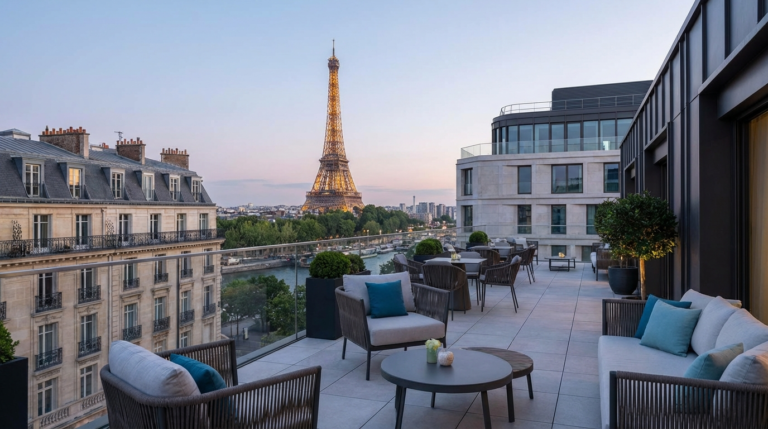
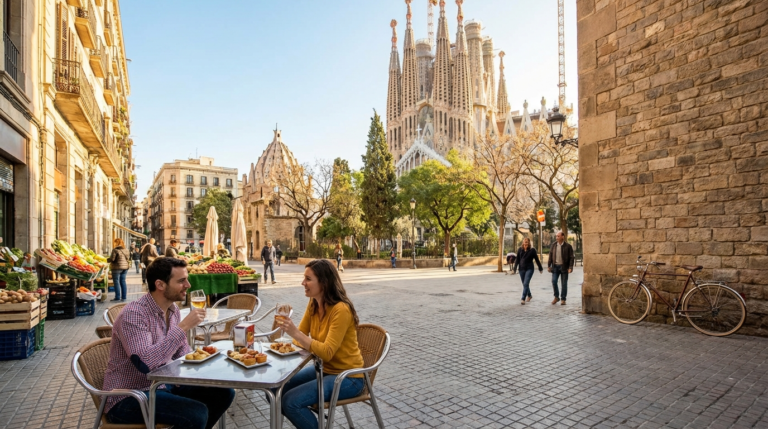
10 Hidden European Destinations You Need to Visit in 2026

For the discerning traveler in 2026, Europe’s true magic lies beyond its crowded capitals. These ten hidden destinations offer profound cultural immersion, stunning natural beauty, and exceptional value, all while supporting sustainable tourism through improved regional connectivity and authentic local experiences.

Why Should You Prioritize Hidden European Destinations in 2026?

The year 2026 represents a pivotal moment for European travel. Overtourism has pushed iconic cities to their limits, leading to stringent countermeasures. Venice’s day-tripper fee is projected to reach €10, Amsterdam has banned cruise ships from its historic center, and Barcelona continues to restrict new hotel licenses in its core. Concurrently, hotel rates in Paris and Rome are forecast to average €400-€500 per night during peak summer months. This environment makes hidden gems not just attractive but essential for a rewarding trip. Furthermore, 2026 sees the culmination of several EU-funded infrastructure projects. New night train routes, like the expanded service connecting Brussels to Prague via intermediate stops in lesser-known German and Czech towns, are launching. Regional airports in places like Trieste, Italy, and Katowice, Poland, are gaining new low-cost carrier routes. The European Travel Commission’s 2025 report indicates a 22% year-on-year increase in traveler interest in “secondary destinations,” driven by a desire for authenticity and value. Choosing these spots directly contributes to a more balanced tourism economy, alleviates pressure on overwhelmed ecosystems, and offers a more genuine connection with local heritage.

What Truly Defines a “Hidden Gem” in the Modern Travel Era?

Today, a hidden gem is defined not merely by low visitor numbers but by a sustainable symbiosis between tourism and community. These destinations possess an intact historic core where daily life unfolds, a culinary scene rooted in hyper-local produce, and accommodations often managed by resident families. Crucially, they have avoided the “theme park” effect, where services cater exclusively to outsiders. For instance, in Sibiu, Romania, the craft workshops in the Lower Town serve locals first. Authenticity is measured by the percentage of independent businesses—in cities like Ghent, over 80% of shops in the historic center are locally owned. A true hidden gem also demonstrates proactive stewardship, such as Ljubljana’s extensive car-free zones and plastic-free initiatives. In 2026, with traveler priorities shifting towards meaningful impact, these destinations offer the luxury of space, serendipitous discovery, and the knowledge that your visit supports cultural preservation rather than erosion.

How Safe and Accessible Are Europe’s Lesser-Known Regions?

Safety perceptions often favor major cities, but data tells a different story. According to the 2024 Global Peace Index, countries hosting many of these destinations, like Slovenia (5th globally), Denmark (2nd), and Portugal (7th), rank exceptionally high. Violent crime rates in cities such as Ljubljana and Aarhus are a fraction of those in larger European hubs. Reduced tourist density also minimizes petty crimes like pickpocketing. Regarding accessibility, the gap is closing rapidly. By 2026, the completion of the Rail Baltica corridor phase will enhance connections to the Baltic states, while EU cohesion funds are upgrading regional bus networks across Bulgaria and Romania. Digital connectivity is robust; even in remote mountain areas of Montenegro, 4G coverage is reliable. English is widely spoken in tourism roles across these regions, and tourist information centers are increasingly digitized, offering multi-lingual apps for self-guided tours. The myth of the “inaccessible backwater” is thoroughly outdated.

Can You Realistically Explore These Destinations Without a Car?

Not only is it possible, but it is often the superior and more sustainable choice. Most of these destinations are compact, pedestrian-friendly cities. Ljubljana’s center is entirely car-free, Valletta is walkable in under 30 minutes end-to-end, and Ghent’s medieval core is best explored on foot or by bicycle. For inter-destination travel, Europe’s rail network is your greatest asset. The “Interrail Balkan Flexi Pass,” valid in eight countries including Montenegro and Bulgaria, will offer 5 travel days within a month for approximately €210 in 2026. Italy’s regional train network efficiently serves Matera and Trieste, while Spain’s Renfe system connects Málaga to Ronda with scenic journeys. For natural wonders like Montenegro’s Durmitor National Park, organized day tours from hubs like Kotor provide logistics and expertise without the need for a private vehicle. Strategic planning—such as using Trieste as a base for Istrian peninsula day trips via bus—reduces carbon footprint and parking hassles while deepening the travel experience.

What Are the Most Effective Budgeting Strategies for 2026?

Strategic financial planning can make a European journey in 2026 both affordable and luxurious in experience. First, leverage flight deals to secondary airports; budget airlines often offer introductory fares as low as €35 one-way on new routes announced for 2026. Book these 5-6 months in advance. Second, commit to rail: purchasing point-to-point tickets exactly 90 days before departure on national rail sites (like ÖBB in Austria or Trenitalia) can save up to 60%. Third, choose accommodations wisely. Use local tourism board websites to find certified “alberghi diffusi” (scattered hotels) in Italy or “guesthouses” in Bulgaria, where a double room can cost €45-€65 per night including breakfast. Fourth, embrace the “menu del día” or “menu of the day” culture in Southern Europe for a substantial lunch costing €12-€18. Finally, invest in city tourist cards. The “Ljubljana Card” (€40 for 72 hours) includes all major museums, unlimited public transport, and a boat tour, providing savings of over 50%.

Which 10 Hidden European Destinations Demand a Spot on Your 2026 Itinerary?

This curated list for 2026 emphasizes destinations that blend unparalleled authenticity with practical accessibility. Each entry offers a deep dive into culture, nature, or history, providing a compelling and sustainable alternative to Europe’s saturated tourist trails.

1. Matera, Italy — The Ancient City of Stone

Matera, the 2019 European Capital of Culture, is home to the Sassi, a UNESCO-listed complex of cave dwellings inhabited since the Paleolithic era. Visitor numbers remain manageable, with roughly 700,000 annual tourists compared to Rome’s 35 million. In 2026, a finalized rail upgrade will reduce the journey from Bari to just 75 minutes. Stay in a converted *sasso* dwelling, with prices ranging from €130 to €250 per night. Explore the rock-hewn churches adorned with Byzantine frescoes and sample the region’s Pane di Matera PGI bread with a glass of Aglianico del Vulture wine. Time your visit for the Festa della Madonna della Bruna on July 2nd, a spectacular historical procession.

2. Plovdiv, Bulgaria — The Cultural Layercake

As one of the world’s oldest continuously inhabited cities, Plovdiv reveals Roman, Byzantine, Ottoman, and Bulgarian Revival history within its seven hills. Its affordability is staggering: a three-course gourmet meal with local wine averages €15. The city is a candidate for the 2026 European Capital of Culture title, driving investments in its artistic Kapana district. The high-speed train from Sofia takes 2 hours and costs under €10. Don’t miss the ancient Roman Theatre, still used for performances, and the September “Night of Museums and Galleries,” where hundreds of venues open until dawn.

3. Valletta, Malta — The Fortified Baroque Marvel

Malta’s sun-drenched capital, a UNESCO site, packs 320 monuments into 0.8 square kilometers. English is an official language, easing communication. Beyond the stunning St. John’s Co-Cathedral, explore the Three Cities across the Grand Harbour for a quieter, authentic experience. In 2026, new heritage walking trails will link lesser-known archaeological sites. Malta offers world-class diving; a 10-dive package to explore WWII wrecks and underwater caves costs around €350. Accommodation in a restored palazzo in neighboring Senglea averages €120 per night, offering better value and views than central Valletta.

4. Kotor, Montenegro — The Fjord’s Guardian

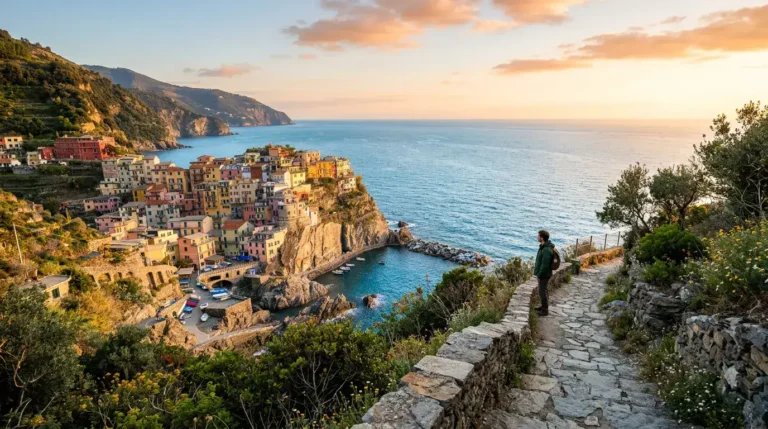
Nestled at the head of Europe’s southernmost fjord, Kotor’s Venetian-walled Old Town sees about 70% fewer visitors than nearby Dubrovnik. The pre-dawn hike up the 1,350 steps to the Castle of San Giovanni rewards you with a breathtaking panorama free of crowds. Montenegro’s ongoing EU accession process is improving road and service quality. Savor fresh Adriatic seafood at a family-run *konoba* for €18-€25. Use Kotor as a base for day trips to the stunning Bay of Herceg Novi or the rugged landscapes of Lovćen National Park.

5. Ghent, Belgium — The Living Medieval Masterpiece

Often overshadowed by Bruges, Ghent retains a vibrant, lived-in atmosphere thanks to its large student population. Its skyline, dominated by the Gravensteen castle and three medieval towers, is unparalleled. A pioneer in urban sustainability, Ghent implemented one of Europe’s largest pedestrian zones and promotes vegetarian cuisine with its “Thursday Veggie Day.” The Ghent Festival, from July 18-27, 2026, transforms the city with hundreds of free music and theatre performances. The direct train from Brussels Airport takes 30 minutes (€16), and a charming boutique hotel room costs about €115 per night.

6. Ljubljana, Slovenia — The Green Capital

Winner of the European Green Capital award, Ljubljana is a paradigm of human-scale, sustainable urban design. The entirely pedestrianized city center, lined with cafes along the Ljubljanica River, is presided over by a majestic castle. Architectural works by Jože Plečnik give the city its unique identity. In 2026, new cycling superhighways will connect the city center to Lake Bled and the Julian Alps, making active exploration easier than ever. The comprehensive “Ljubljana Card” offers exceptional value, covering all major attractions, public transport, and bike rental.

7. Ronda, Spain — Andalusia’s Cliffside Crown

Perched atop the 120-meter-deep El Tajo gorge, Ronda is one of Spain’s oldest towns, offering dramatic vistas and a rich history of bandits and romantics. It receives a fraction of the visitors that flood Seville. The iconic Puente Nuevo bridge connects the Moorish old town with the 15th-century new town. The surrounding Serranía de Ronda mountains produce exceptional wines; a tasting tour of three bodegas costs approximately €25. Visit in May for the “Ronda Romántica” festival, which recreates the town’s 19th-century ambiance. The train from Málaga is a scenic 1-hour 45-minute journey.

8. Sibiu, Romania — Transylvania’s Cultural Beacon

With its distinctive Saxon architecture and “eyes” roof windows, Sibiu’s historic center is a beautifully preserved treasure. As a 2007 European Capital of Culture, it boasts a vibrant arts scene. The ASTRA National Museum Complex, one of Europe’s largest open-air ethnographic museums, is a must-visit. Sibiu serves as the perfect gateway for hiking in the Făgăraș Mountains. The Sibiu International Theatre Festival in late June 2026 will feature avant-garde performances from across the globe. Daily costs here are remarkably low, with a comfortable budget of €45 per person covering all expenses.

9. Aarhus, Denmark — Scandinavia’s Design & Innovation Hub

Aarhus, Denmark’s second city, combines cutting-edge architecture, world-class museums, and a youthful, innovative spirit. The ARoS Art Museum’s “Your Rainbow Panorama” by Olafur Eliasson offers a unique city perspective. It is significantly more affordable than Copenhagen, with hotel rates averaging 25% less. The burgeoning “New Nordic” food scene offers tasting menus from €85. In 2026, new direct ferry connections from Sweden will enhance access. Explore the immersive history at the Moesgaard Museum or the recreated Old Town (Den Gamle By).

10. Trieste, Italy — The Habsburg Melting Pot

Trieste’s unique character is born from its history as the main port of the Austro-Hungarian Empire, creating a fascinating blend of Italian, Slavic, and Central European cultures. Grand cafes like Caffè San Marco, once frequented by James Joyce, define its literary and coffee culture. The Miramare Castle, perched on a cliff, is a stunning example of historicist architecture. Trieste is the gateway to the Friuli Venezia Giulia wine region, famous for its orange wines. Improved Rail Baltica connections in 2026 will make travel from Central Europe seamless, and historic *pensioni* offer charming rooms for under €100 per night.

What Is the Estimated Cost for a 10-Day Hidden Europe Trip in 2026?

Detailed financial planning is key. Below are two sample 10-day itineraries with estimated costs per person (based on double occupancy, booked 6-9 months in advance for travel in shoulder season 2026). Prices exclude intercontinental flights but include intra-European transport, mid-range lodging, meals, and attractions.

Itinerary A: Central European Circuit (Slovenia, Trieste, Austria)

Itinerary B: Balkan Explorer (Bulgaria, Montenegro, Croatia)

These itineraries demonstrate savings of 40-60% compared to a similar duration in Western European capitals during peak season, while offering more authentic and varied experiences.

How Can You Travel Responsibly in These Emerging Destinations?

Responsible travel in 2026 is a non-negotiable ethos. First, ensure your spending directly benefits the local economy: book tours with locally-owned operators, eat at restaurants sourcing regional ingredients, and shop at independent artisans’ stores. Second, minimize your environmental impact: use refillable water bottles (tap water is safe in all listed destinations), choose trains over planes for intermediate journeys, and opt for accommodations with visible sustainability certifications like Green Key or EU Ecolabel. Third, be culturally sensitive: learn a few basic phrases in the local language, respect dress codes when entering religious sites, and observe local customs. Fourth, travel during the shoulder seasons (April-May, September-October) to reduce strain on local infrastructure and enjoy a more relaxed atmosphere. Finally, educate yourself on the destination’s history and contemporary challenges before you arrive, fostering a deeper understanding and respect for the community hosting you.

FAQ

When is the absolute best time to visit these places in 2026?

The optimal periods are the shoulder seasons: late April through June, and September through mid-October. These months offer mild weather, manageable crowds, and lower prices. For specific festival experiences like Sibiu’s theatre festival (June) or Ghent’s city festival (July), book accommodations at least 8 months in advance. Winter can be magical in cities like Trieste or Sibiu, with Christmas markets and cozy atmospheres, though some rural attractions may have limited hours.

How do I ensure my travel choices are genuinely sustainable?

Look beyond marketing. Verify certifications from recognized bodies like the Global Sustainable Tourism Council (GSTC). Choose hotels that publish sustainability reports detailing energy/water use and staff hiring practices. Select tour operators that employ local guides at fair wages and keep group sizes small (under 12 people). Prioritize activities with a clear educational or conservation component, such as heritage walks led by historians or nature tours with park-certified guides.

Are these destinations suitable for solo travelers or families with children?

Absolutely. Cities like Ljubljana, Ghent, and Aarhus are exceptionally safe, walkable, and offer numerous engaging activities for all ages, from interactive museums to easy-going boat tours. For solo travelers, the compact nature and efficient public transport of these destinations make navigation straightforward. Many, including Plovdiv and Matera, have growing networks of hostels and small-group tour options that facilitate social connections. Families will appreciate the lower stress levels, green spaces, and hands-on cultural experiences available.

What is the most critical travel document requirement for 2026?

The European Travel Information and Authorisation System (ETIAS) is expected to be fully operational for visa-exempt travelers (including US, UK, and Canadian citizens) by 2026. This is a pre-travel online authorization, costing €7, valid for three years. Apply at least one month before your departure once the system is live. Ensure your passport is valid for at least three months beyond your intended date of departure from the Schengen Area.

How feasible is it to combine 3-4 of these destinations in one trip using only public transport?

Highly feasible with careful planning. For example, a efficient circuit could be: Vienna (flight in) -> train to Trieste (6 hours) -> train to Ljubljana (2.5 hours) -> train to Zagreb (2.5 hours) -> bus to Plovdiv (overnight, 10 hours). Use integrated planning tools like the “ÖBB Scotty” app or “Rome2Rio” website to visualize connections and book tickets. The key is to travel light, allow buffer time between connections, and base yourself in central hubs for 3-4 nights to explore the region via day trips.

Amsterdam vs Prague vs Vienna: Best European City to Visit First in 2026

FTC Disclosure: This article contains affiliate links. We may earn a small commission if you book through our links at no extra cost to you.

Amsterdam, Prague, and Vienna are three of Europe’s most-visited cities — but choosing between them for your first European trip requires understanding exactly what each city delivers and what it demands. This head-to-head comparison across 8 key categories (budget, architecture, food, nightlife, day trips, safety, crowds, and transportation) will tell you definitively which city fits your travel style in 2026.

Amsterdam vs Prague vs Vienna: The Quick Verdict

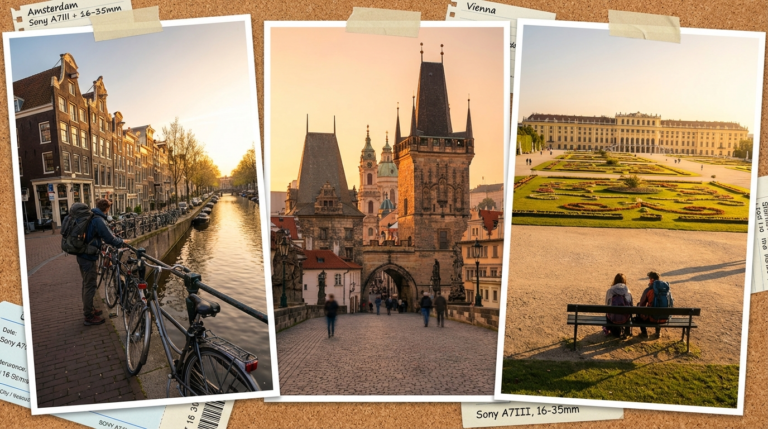
Before the details: here’s the 30-second answer. Prague wins for budget travelers and those who want medieval beauty with a lively nightlife scene. Vienna wins for first-timers who want classic European grandeur, world-class museums, and a coffee house culture that’s uniquely irreplaceable. Amsterdam wins for canal-lovers, cyclists, and those interested in art, liberal culture, and excellent day trips to windmill countryside.

No city is “better” than the others — they’re radically different experiences. This guide shows you which is better for you specifically.

Budget Comparison: Where Does Your Money Go Further?

Prague

Prague is consistently ranked one of Europe’s most affordable capitals. According to Numbeo’s Cost of Living Index 2025, Prague ranks among the cheapest Western-accessible European capitals for accommodation and dining. A mid-range hotel costs €70–120/night. A three-course dinner with drinks at a quality Czech restaurant runs €20–35 per person. A pint of Pilsner Urquell at a local pub: €1.50–2.50. Daily budget for comfortable travel: €80–120/person.

Vienna

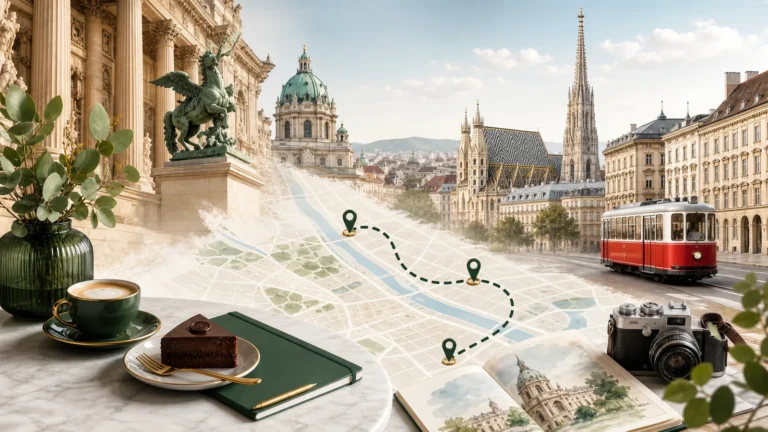
Vienna is moderately priced for a major European capital. Mid-range hotels: €120–200/night. Dinner at a Beisl (traditional Viennese restaurant): €25–45/person. The city’s public transport system is excellent and passes are affordable (€17.10 for a 24-hour city card). Daily budget: €120–180/person. Vienna’s museum and culture scene offers exceptional value — many world-class institutions charge €10–20 admission.

Amsterdam

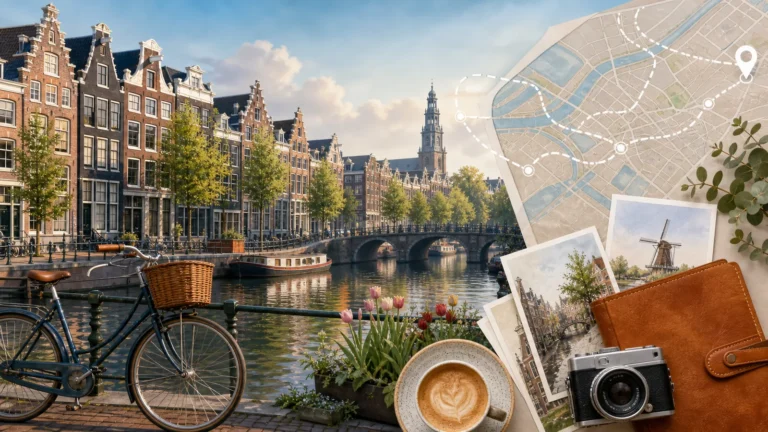
Amsterdam is the most expensive of the three. Hotel prices in central Amsterdam have risen significantly — mid-range properties now average €150–250/night. Dining out is expensive relative to other European cities: €30–55/person for dinner. However, bike rentals (€12–20/day) replace expensive transit costs, and some of Amsterdam’s best experiences (canal walks, Vondelpark) are free. Daily budget: €150–220/person.

Budget winner: Prague (by a significant margin). Vienna is mid-range. Amsterdam is the priciest.

For budget accommodation in all three cities, compare current prices at Booking.com Prague, Booking.com Vienna, and Booking.com Amsterdam.

Architecture and Atmosphere: What the Streets Feel Like

Prague

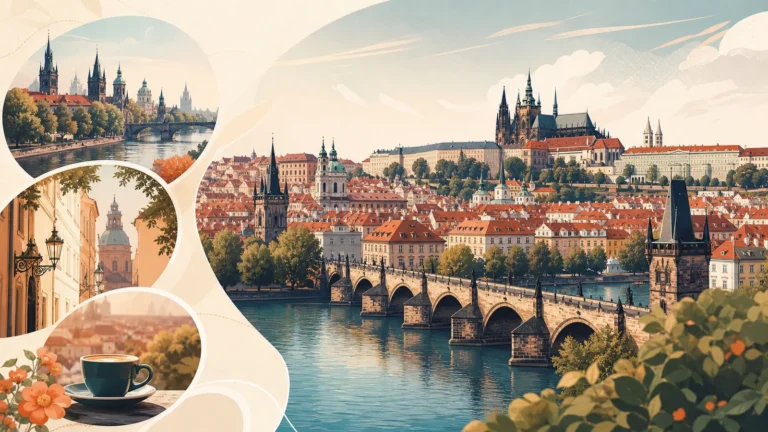
Prague’s Old Town (Staré Město) is arguably Europe’s most intact medieval city center. The Gothic spires of Týn Church, the 14th-century Charles Bridge, and the Baroque palaces of Malá Strana (Lesser Town) survived WWII bombing largely intact — a rarity among Central European capitals. The atmosphere by night, when tourist crowds thin and cobblestone streets are lit by lamplight, is genuinely magical. Prague Castle (the largest ancient castle complex in the world by area, per UNESCO) dominates the skyline from across the river.

Vienna

Vienna operates at imperial scale. The Ringstrasse — the grand boulevard commissioned by Emperor Franz Joseph I in the 1850s — is lined with some of Europe’s finest 19th-century architecture: the State Opera, the Kunsthistorisches Museum, the Parliament building. The Innere Stadt (First District) is a UNESCO World Heritage Site. The Baroque Schönbrunn Palace has 1,441 rooms and 40 hectares of gardens. Vienna doesn’t feel like a city — it feels like the headquarters of an empire that hasn’t quite accepted it ended.

Amsterdam

Amsterdam’s 17th-century canal ring (UNESCO World Heritage since 2010) is its defining feature: 165 canals, over 1,500 bridges, and more than 6,800 canal-side buildings with their distinctive “gabled” facades leaning slightly forward (designed to facilitate moving furniture via hoists). The city is horizontal rather than vertical — no skyscrapers in the center — creating an intimate, human-scale atmosphere. Amsterdam feels prosperous, liberal, and slightly louche in the best possible way.

Architecture winner: Vienna for sheer grandeur. Prague for medieval authenticity. Amsterdam for unique canal-city character.

Food and Drink: What You’ll Actually Eat

Prague

Czech cuisine centers on meat, dumplings, and beer — and does all three exceptionally well. Svíčková (beef sirloin in cream sauce with bread dumplings) and roast duck with red cabbage are essential orders. Czech beer culture is unparalleled: Bohemia produces some of the world’s finest lagers (Pilsner Urquell, Budvar/Budweiser Budvar) and Prague has dozens of microbreweries. Vegetarian options have improved significantly in 2025–2026 but traditional Czech cuisine remains meat-forward.

Vienna

Viennese cuisine is Central European comfort food at its finest: Wiener Schnitzel (veal or pork cutlet, pan-fried), Tafelspitz (boiled beef with horseradish), Kaiserschmarrn (fluffy shredded pancake with plum compote). The coffee house (Kaffeehaus) culture is UNESCO-designated as Intangible Cultural Heritage — these establishments are social institutions where you order one coffee and stay for hours with a newspaper. Vienna’s restaurant scene has expanded dramatically: the city now has 28 Michelin-starred restaurants (Michelin Guide Austria 2025).

Amsterdam

Dutch cuisine is simple but satisfying: stroopwafels, raw herring (haring) eaten with onions, bitterballen (fried beef ragout balls), and the ubiquitous frites (fries) with mayonnaise. Amsterdam’s diverse population creates one of Europe’s most eclectic restaurant scenes: outstanding Indonesian food (a legacy of colonial history), Surinamese cuisine, and some of Europe’s finest Vietnamese street food. The Albert Cuyp market offers a world-class street food experience on weekday mornings.

Food winner: Vienna for formal dining culture. Amsterdam for diverse international food scene. Prague for beer culture.

Nightlife: Which City Has the Best After-Dark Scene?

Prague

Prague has one of Europe’s most energetic nightlife scenes at the lowest prices. Žižkov (the neighborhood with the most bars per capita in Europe, famously) and Vinohrady offer authentic local bar culture. Hemingway Bar and Black Angel’s Bar are world-class cocktail destinations. The Crossclub techno venue in Holešovice is legendary on the European circuit. Czech party culture runs late — most bars don’t get busy until midnight.

Vienna

Vienna is underrated for nightlife. The Naschmarkt area, the 7th District (Neubau), and Prater park’s Volksprater entertainment area are Vienna’s nightlife centers. Vienna’s club scene focuses on electronic music (Flex, Pratersauna) and jazz (Porgy & Bess). The night trams (U-Bahn runs 24 hours on weekends) make getting around easy. Vienna’s vibe is sophisticated rather than raucous — better for late dinners and cocktail bars than for 5am rave culture.

Amsterdam

Amsterdam’s club scene is globally renowned: Shelter, Paradiso, De School (now closed but replaced by successors), and the revitalized Noord neighborhood. The city’s red light district is a significant tourist attraction though increasingly controversial (the city plans major restrictions in 2026–2027). Amsterdam has excellent live music venues and a thriving jazz scene around the Leidseplein and Rembrandtplein squares.

Nightlife winner: Prague for budget and energy. Amsterdam for club culture. Vienna for sophisticated late-night dining scene.

Day Trips: What Can You See Beyond the City?

Prague

Prague’s day trip options include: Český Krumlov (3 hours, UNESCO medieval town — one of Europe’s most photogenic small cities), Kutná Hora (1 hour, famous for its bone church Sedlec Ossuary), Karlovy Vary (2.5 hours, spa town with thermal springs), and Terezín (1 hour, sobering WWII memorial fortress). Czech countryside is beautiful and undervisited.

Vienna

Vienna’s surroundings offer exceptional variety: Salzburg (2.5 hours by train, Mozart’s birthplace and Sound of Music territory), Hallstatt (3 hours, possibly Europe’s most-photographed village), Budapest (2.5 hours, another imperial capital for a very different cultural experience), Bratislava (1 hour, Slovakia’s capital — often done as an easy half-day trip). The Vienna Woods (Wienerwald) offer hiking and wine taverns (Heurigen) within 30 minutes of the city center.

Amsterdam

Amsterdam is perfectly positioned for windmill country: Zaanse Schans (30 minutes, working windmill village), Keukenhof Gardens (1 hour — the world’s largest tulip garden, open March–May), Haarlem (20 minutes, medieval city with the best cheese market), Delft (1 hour, Vermeer’s home city and Delftware pottery), and The Hague (45 minutes, international court capital with excellent museums).

Day trips winner: Vienna for variety and distance. Amsterdam for frequency and ease. Prague for affordability.

For more European itinerary planning including multi-city routes, see our Amsterdam to Barcelona rail itinerary guide and our Eastern Europe budget trip covering Prague, Budapest, and Krakow.

Safety and Crowds: What’s the Reality in 2026?

Prague

Prague’s Old Town is heavily touristed — during summer 2025, Charles Bridge was capped at 500 visitors simultaneously to manage overcrowding (Prague City Tourism, 2025). Petty theft (pickpockets) is the primary concern in tourist areas. The city has implemented “tourist zoning” policies in 2025–2026 to reduce overcrowding in the Old Town during peak hours. Overall safety: high, comparable to other European capitals.

Vienna

Vienna consistently ranks in the top 5 of the Economist Intelligence Unit’s Global Liveability Index (ranked #1 globally for five consecutive years from 2018–2022). Crowds are manageable year-round — even the most popular sites (Schönbrunn, Belvedere) rarely feel unbearably overcrowded. Vienna has low crime rates and excellent public infrastructure. Safety: excellent.

Amsterdam

Amsterdam is managing a tourism crisis. The city council has implemented some of Europe’s most aggressive anti-overtourism measures: banning new hotels in the center, restricting short-term rentals (Airbnb), and announcing plans to phase out the red light district (2026–2028). The city receives 20 million tourists per year (Amsterdam Tourism Statistics, 2025) for a population of 900,000. Peak summer is genuinely overwhelming. Shoulder season (October–November, February–March) is far more enjoyable. Safety: good, but petty crime in tourist areas is common.

Crowds winner: Vienna is the most manageable. Prague has improved with new regulations. Amsterdam is the most challenging during peak season.

The Final Verdict: Which City Should You Visit First?

Here’s the decision breakdown:

  • Visit Vienna first if: You want classic European grandeur, world-class museums, and an easy, well-organized city experience. Best first European city for comfort-oriented travelers and culture lovers.
  • Visit Prague first if: You’re budget-conscious, love medieval architecture, and want a lively nightlife scene without Amsterdam’s prices or crowds.
  • Visit Amsterdam first if: You love cycling, canal-city atmosphere, diverse food, and world-class art (Rijksmuseum, Van Gogh Museum). Plan for shoulder season to avoid peak crowds.

The best news: if you have 10–14 days, you can visit all three. Vienna → Prague is a beautiful 4-hour train journey. Prague → Amsterdam requires a change in Berlin or Cologne (approximately 8 hours total). All three cities are connected by budget airlines under €100 each way. See our 7-day Europe first-timers itinerary guide for multi-city planning tips.

Frequently Asked Questions: Amsterdam vs Prague vs Vienna

Which city is cheapest for a 5-day trip: Amsterdam, Prague, or Vienna?

Prague is by far the cheapest — approximately €500–700 for 5 days including accommodation, meals, and attractions. Vienna runs €800–1,000. Amsterdam is the most expensive at €1,000–1,400 for 5 days, primarily due to higher hotel prices.

What is the best time of year to visit Amsterdam, Prague, or Vienna?

For Amsterdam: April–May (tulip season) or September–October (mild and less crowded). For Prague: May–June and September. For Vienna: April–June and September–October. All three cities are beautiful in December for Christmas markets. Summer (July–August) brings peak crowds and prices to all three destinations.

Which city has better public transportation?

Vienna has the best public transport system — the U-Bahn (subway) is clean, punctual, and runs 24 hours on weekends. Prague’s metro is excellent for its three lines. Amsterdam’s tram and metro system is good but central cycling infrastructure makes bikes the local transport of choice.

Is it possible to visit all three cities in one trip?

Yes — a Vienna-Prague-Amsterdam route in 9–12 days is achievable. Vienna to Prague: 4 hours by train (Railjet). Prague to Amsterdam: 8–9 hours by train with one change, or 2 hours by budget flight. This triangle makes for an excellent first-time European trip covering three distinct cultural experiences.

Which city has the best food scene?

Vienna has the most distinguished restaurant culture (28 Michelin stars) and the unique coffee house tradition. Amsterdam has the most diverse international food scene. Prague excels in local comfort food and beer culture. For overall quality-to-price ratio, Prague wins for casual dining; Vienna wins for fine dining.

Best Europe Cities for Solo Travel 2026

Best Europe Cities for Solo Travel 2026

The best European cities for solo travel in 2026 are Lisbon, Prague, Porto, Tallinn, and Tbilisi — chosen for their walkability, social infrastructure, safety, English prevalence, and the particular ease with which solo travelers make connections. This guide is built on the real concerns of solo travel: safety, budget, meeting people, and not wasting half your trip logistics. Here’s the definitive breakdown.

What Makes a City Great for Solo Travel

Not all beautiful cities are good for solo travelers. A great solo travel destination scores well on five specific criteria:

  1. Walkability: Can you explore meaningfully on foot? High walkability = more spontaneous discoveries, less transport cost, lower cognitive load.
  2. Social infrastructure: Are there hostels, free walking tours, social bars, and meetup culture? Solo travelers need easy on-ramps to social experience.
  3. Safety: The Economist Intelligence Unit’s Safe Cities Index 2025 ranks European cities among the world’s safest, but variation exists. Solo women travelers in particular should factor this in.
  4. English prevalence: Practical reality. Not needing a translator for restaurant menus, transport, and basic interactions reduces friction enormously.
  5. Value: Solo travel is inherently more expensive than couple/group travel (no room sharing). Cities with lower accommodation and food costs offset this penalty significantly.

The 10 Best European Cities for Solo Travel in 2026

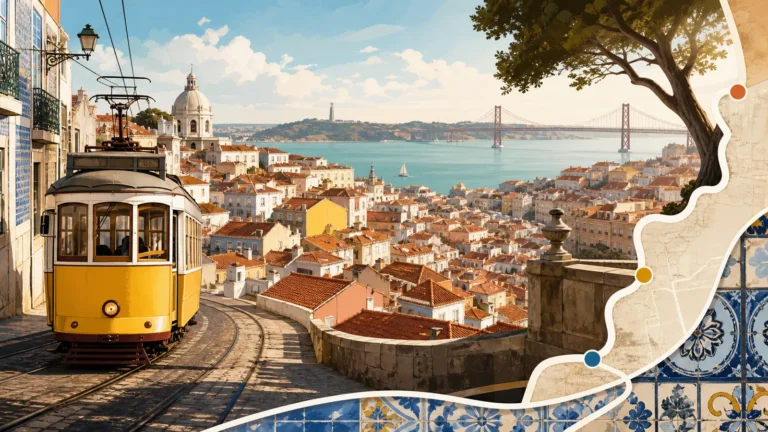
1. Lisbon — Best Overall for Solo Travelers

Lisbon has held the top position in solo travel rankings for five consecutive years — and in 2026, the city still delivers. Exceptionally walkable (despite the hills), excellent hostel scene (Lisbon consistently has some of Europe’s highest-rated hostels for social atmosphere), English universally spoken, Mediterranean food culture that rewards eating alone at a counter or terrace, and among the safest capital cities in Europe.

The fado evening at a small venue in Alfama, the viewpoint (miradouro) sunset ritual with local wine, the LX Factory market on Sundays — these are all experiences that are, if anything, better alone. Find Lisbon accommodation on Booking.com

Budget: Mid-range. €70-120/night hostel or budget hotel, €15-25 for dinner

2. Prague — Best for Budget Solo Travel

Prague remains the best-value major European capital for solo travelers. Accommodation is 40-60% cheaper than Vienna or Munich for equivalent quality. The Old Town and Malá Strana are among the most photogenic city cores in Europe, and the free walking tour circuit (Prague Walking Tours, Sandeman’s) provides daily social connection. The Czech pub culture — where strangers share long communal tables — is naturally solo-friendly.

Budget: Budget-friendly. €30-60/night hostel, €10-15 for dinner

3. Porto — Best Under-the-Radar Choice

Porto is smaller and more intimate than Lisbon, which some solo travelers prefer — you orient faster and cover it meaningfully in 3-4 days rather than 5-7. The riverfront Ribeira district has a compact social restaurant scene, and Porto’s wine culture (port wine cellars at Vila Nova de Gaia, natural wine bars in Bonfim) is uniquely enriching for solo exploration. The day trip to the Douro Valley by boat or train is one of Portugal’s finest experiences.

Budget: Mid-range. €65-110/night

4. Tallinn — Best Small City Experience

Tallinn’s medieval Old Town is a UNESCO World Heritage Site that feels like a stage set — except it’s real and still lived in. It’s compact enough to cover completely in two days, making it ideal for a 3-4 day solo trip without feeling like you’re leaving content unexplored. Estonia’s digital society means excellent connectivity everywhere. The tech/startup scene makes English near-universal.

Budget: Mid-range to budget. €55-90/night

5. Ljubljana — Best Hidden Gem

Slovenia’s capital is barely on the tourist radar, which makes it exceptional for solo travelers who don’t want to fight crowds. The city center is pedestrianized and built around a castle-topped hill above a river — the kind of geography that generates magical golden hour walks. Extremely safe, universally English-speaking (Slovenia has among Europe’s highest English proficiency rates), and compact enough for total orientation in half a day.

Budget: Mid-range. €65-100/night

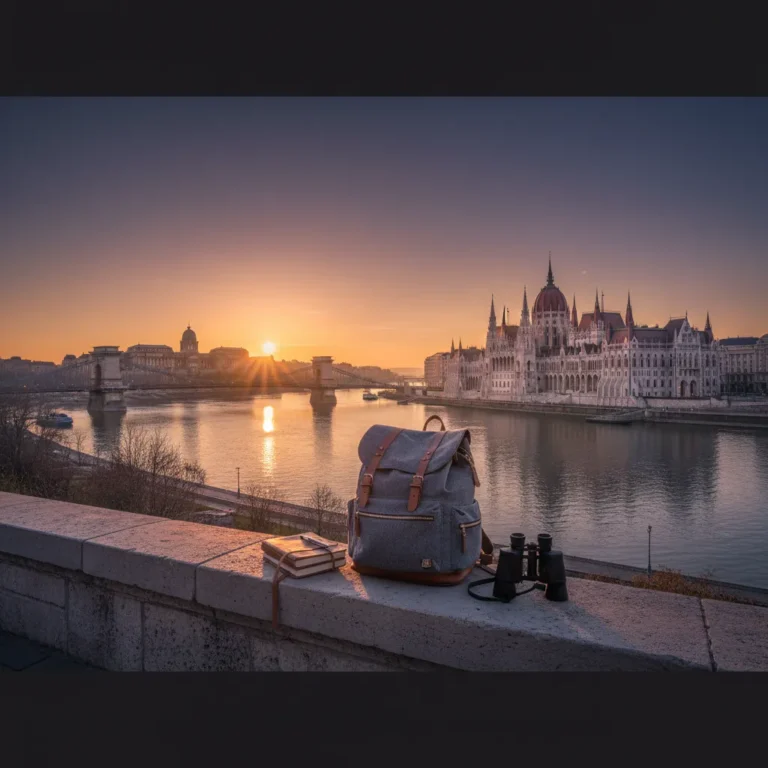
6. Budapest — Best for Nightlife + Culture Combination

Budapest offers the rare combination of extraordinary daytime culture (thermal baths, Parliament, Great Market Hall, ruin bars as unique architectural experiences) and genuine nightlife without the overwhelm of Ibiza or Prague’s stag-party problem. The thermal bath culture is particularly solo-friendly — you spend 3 hours in various pools and invariably end up in conversation.

Budget: Budget-friendly. €40-80/night

7. Amsterdam — Best for the First Solo Trip to Europe

Amsterdam’s infrastructure for solo travelers is unmatched: cycling culture that immediately makes you part of local rhythm, exceptional museum density (Rijksmuseum, Van Gogh Museum, Anne Frank House, NEMO — all within 30 minutes on foot or bike), and the canal ring is intrinsically beautiful. It’s expensive, but the value-per-experience ratio is high.

Budget: Expensive. €100-200/night

8. Tbilisi (Georgia) — Best for Adventure Seekers

Strictly speaking, Tbilisi is in the Caucasus, not Europe proper — but it’s a European travel hub in 2026, with low-cost flights from most European capitals. It offers a genuinely different experience: ancient Orthodox churches next to sulfur bathhouses next to a thriving wine bar scene in the former silk road old town. Budget-friendly, safe for solo travelers, and visually extraordinary.

Budget: Very affordable. €30-60/night

9. Vienna — Best for Culture Depth

Vienna is one of the greatest museum cities on Earth — the Kunsthistorisches Museum alone could occupy three days. For solo travelers who want intellectual immersion over social whirl, Vienna is ideal. Its café culture (Viennese coffeehouses are UNESCO-listed) is explicitly solo-friendly — the tradition of sitting alone for hours with a coffee and a newspaper is Viennese, not rude.

Budget: Expensive. €120-200/night

10. Thessaloniki — Best Value Mediterranean City

Thessaloniki is Greece’s second city and its best-kept travel secret. The food scene rivals Athens (the city is obsessed with eating), the waterfront promenade is extraordinary, Byzantine architecture is everywhere, and solo travelers are welcomed into the local bar culture naturally. Flights from Western Europe remain 40-60% cheaper than to Athens.

Budget: Mid-range. €55-90/night

Practical Tips for Solo Travel in Europe in 2026

  • Book accommodation with social areas: A hostel with a communal kitchen and bar, or a hotel with a social rooftop, creates free connection opportunities.
  • Free walking tours: Almost every European city now has a free (tip-based) walking tour. These are the most efficient way to orient, learn history, and meet other travelers simultaneously.
  • Train travel: The Interrail/Eurail pass is increasingly good value for 2+ week European trips. The new EU Digital Rail Pass (launched 2025) allows booking up to 6 months ahead with a phone QR code.
  • Travel insurance: Non-negotiable for solo travel. Get comprehensive cover including emergency medical evacuation — the cost is typically €3-7/day.

For itinerary help, see our guides: solo travel Europe safety guide, complete Interrail guide 2026, and best hostels in Europe by city.

Frequently Asked Questions

Q: What is the safest European city for solo female travelers?

Lisbon, Vienna, Copenhagen, and Zurich consistently rank as the safest European cities for solo female travelers. Prague, Budapest, and Tallinn are also generally very safe with standard precautions. Northern European capitals (Helsinki, Stockholm, Copenhagen) have the lowest rates of street harassment.

Q: What is the cheapest European country for solo travel in 2026?

Georgia (Tbilisi), Albania (Tirana/Berat), North Macedonia (Ohrid), and Moldova offer the most affordable European solo travel. Within the EU, Portugal, Czech Republic, Hungary, and Romania offer the best value for Western European travelers.

Q: Is solo travel in Europe safe in general?

Europe is among the world’s safest travel regions. Petty theft (pickpocketing in crowded tourist areas) is the primary risk in most cities. Violent crime against tourists is statistically rare. The main precautions: keep valuables secured in crowded areas, avoid displaying expensive equipment obviously, be aware in late-night transport.

Q: How do I meet people while traveling solo in Europe?

Hostels with social areas, free walking tours, cooking classes, Couchsurfing meetups (still active in most European cities), pub crawls organized by hostels, and language exchange cafés. Booking at least 2 nights in one place rather than moving constantly also improves your chances of forming genuine connections.

Q: What is the best month for solo travel in Europe?

May-June or September-October for the best combination of good weather, manageable crowds, and reasonable prices. July-August are the peak with highest prices and most crowds. Winter (November-March) offers dramatic price reductions and fewer tourists in most cities, with Christmas markets in December as a bonus.

About the Sophie Martin

EuroTripFinder’s editorial team consists of experienced European travel writers who collectively have visited all 44 European countries. We specialize in practical, itinerary-focused travel guides for independent travelers, solo adventurers, and first-time European visitors looking to maximize their experience on any budget.


Related Europe Guides

Best Hotels Paris 2026: Top Picks for Every Budget

Disclosure: This article may contain affiliate links. If you click through and make a purchase, we may earn a commission at no extra cost to you. We only recommend products and services we genuinely believe in. Full disclosure.

# Best Hotels Paris 2026: Top Picks for Every Budget

Paris. It’s the city of lights, butter-heavy croissants, and—let’s be real—some pretty wild hotel prices. Whether you’re dropping a small fortune on a once-in-a-lifetime romantic getaway or trying to make your travel euros last until the flight home, the French capital has a spot for you. But honestly? With thousands of options, figuring out where to actually stay can feel like a full-time job.

I’ve spent a lot of time poking around Paris hotels across every budget tier. This guide cuts through the marketing fluff. Here’s what you actually need to know about the best hotels in Paris for 2026.

## How to Choose a Paris Hotel: What Actually Matters

Look, before we dive into specific picks, we need to talk about location. Paris’s 20 arrondissements are like different planets. The 1st and 2nd are central but feel very “tourist-central.” The Marais (3rd/4th) is where the cool kids are—it’s trendy and very walkable. The 5th and 6th (Latin Quarter and Saint-Germain) feel like a movie set with all the history and charm. The 7th puts you right by the Eiffel Tower, but it can get a bit quiet (read: boring) at night. Then there’s Montmartre (18th)—it’s artsy and beautiful, but your calves will burn from the hills.

My advice? Pick your neighborhood first. Then find the best hotel that fits your wallet.

One more thing: you need to check if breakfast is included. A hotel that throws in breakfast can save you €15–€30 per person every day. That adds up fast.

## Luxury Hotels Paris 2026: Worth the Splurge

### Hôtel Ritz Paris — 15 Place Vendôme, 1er

If you’re going to do Paris luxury, you might as well go all out. The Ritz is the gold standard. It opened back in 1898 and got a massive face-lift recently. Fun fact: Coco Chanel actually lived here for 34 years. The rooms are fancy without feeling like a museum, the service is scary-good, and even if you don’t stay here, the Bar Hemingway is a non-negotiable stop for a drink.

Expect to pay anywhere from €1,500 to €5,000+ per night. Yes, that’s a real number. But if you’ve got the budget, this is the ultimate experience.

### Le Bristol Paris — 112 Rue du Faubourg Saint-Honoré, 8ème

This one is a bit more “quiet luxury” than the Ritz but just as stunning. Le Bristol has a killer rooftop pool—it’s heated, on the 6th floor, and gives you views across the whole city. Plus, their restaurant, Épicure, has three Michelin stars. Rooms start around €900 per night.

### Hôtel Lutetia — 45 Boulevard Raspail, 6ème

The Lutetia is the Left Bank’s answer to the big grand hotels on the other side of the river. It reopened after a four-year renovation and it looks incredible. Think Art Deco vibes, a world-class spa, and a location in Saint-Germain-des-Prés that I personally think is hard to beat. Rates start from €700 per night.

## Mid-Range Paris Hotels: Great Value Without Compromise

### Hôtel du Petit Moulin — 29-31 Rue de Poitou, 3ème

Honestly, this is my personal favorite in the mid-range category. It’s in the Marais inside a building that used to be the oldest bakery in Paris. Christian Lacroix designed the interiors, so every single room is totally different. It feels boutique and special without that “grand hotel” stuffiness. Rates run from €200–€350 per night.

### Hôtel Saint-Marc — 36 Rue Saint-Marc, 2ème

This place is a hit for a reason. It’s in the 2nd arrondissement, right near the Grands Boulevards, so you can walk to the Louvre easily. The design is very contemporary Parisian—warm colors, cool art, and beds that you won’t want to leave. Worth mentioning: the breakfast is genuinely excellent. Rates from €180–€280 per night.

### Hôtel Monge — 55 Rue Monge, 5ème

The Latin Quarter location here is fantastic. You’re close to Île de la Cité, Notre-Dame (which is finally open again!), and that classic café culture. The rooms are comfy and the staff always seems to get rave reviews for being helpful. Rates from €150–€250 per night.

### Hôtel des Académies et des Arts — 15 Rue de la Grande Chaumière, 6ème

A bit of a quirky gem in Montparnasse. Local artists decorated the rooms, so each one has its own personality. It’s a great spot if you want to be near the Luxembourg Gardens, and the price is actually reasonable for Saint-Germain. Rates from €160–€240 per night.

## Budget Hotels Paris 2026: Cheap But Not Grim

Here’s the cold, hard truth about budget hotels in Paris: you’re going to lose some space. Rooms are small. Sometimes they’re tiny. But “budget” shouldn’t mean a depressing stay.

### Generator Paris — 9-11 Place du Colonel Fabien, 10ème

Don’t let the “hostel” label scare you. Generator is upscale and has private rooms that are better than many budget hotels. You get a cool bar and a social vibe that you just don’t find elsewhere. Plus, the 10th arrondissement is actually cool—Canal Saint-Martin is right there. Private rooms from €70–€120 per night.

### Hôtel Rivoli — 44 Rue de Rivoli, 4ème

Don’t mix this up with the fancy luxury spots on the same street. This is a solid, well-reviewed budget hotel on one of the most famous streets in the city. The rooms are basic and clean, but you’re right by the Marais. You can’t beat that location for the price. Rates from €80–€130 per night.

### Hôtel Joyce — 29 Rue la Bruyère, 9ème

I think the 9th arrondissement is totally underrated. You’ve got great food, the Pigalle nightlife is close, and prices are way better than the city center. Hôtel Joyce is modern, comfortable, and always gets good feedback. Rates from €90–€160 per night.

## Paris Hotels for Families

Families in Paris need one thing: space. And let’s face it, French hotels aren’t exactly known for being roomy. You’ll want to look for connecting rooms or suites.

**Best family picks:**
– **Novotel Paris Centre Tour Eiffel** — Reliable, big rooms (for Paris), and they have a pool.
– **Citadines Apart’hotel Montmartre** — These are apartment-style with little kitchenettes. So much easier when you’re traveling with kids.
– **Hôtel Mercure Paris Opera Louvre** — Central, has family rooms, and it’s a solid, dependable chain.

## Tips for Booking Paris Hotels in 2026

**Book early for summer.** Seriously. Paris in July and August is a zoo. If you want a good room at a price that doesn’t make you cry, book 3–6 months ahead.

**Pick your arrondissement carefully.** Staying in the 1st sounds cool, but you’ll pay “tourist tax” on everything—your coffee, your dinner, everything. The 11th or 12th will give you a more authentic vibe for a lot less money.

**Check for refundable rates.** French transport strikes are a thing. It’s always smart to book a refundable rate if you can, just in case things get weird with your travel dates.

**Use the Booking.com Genius program.** If you travel a lot, you can snag 10–20% off. It’s worth the few minutes it takes to sign up.

**Don’t ignore apartments.** If you’re staying for 4 nights or more, a serviced apartment usually beats a hotel for both price and comfort. Use the apartment filter on Booking.com to find them.

## When to Visit Paris

**Spring (April–June):** This is when the weather is best and everything is blooming. But yeah, everyone else knows that too, so prices go up.

**Summer (July–August):** Peak madness. It’s hot, it’s crowded, and it’s expensive. Most Parisians actually leave the city in August, so some local shops might be closed.

**Autumn (September–November):** In my experience, this is the best time. The weather is still nice, the crowds thin out, and the fall colors are beautiful.

**Winter (December–February):** It’s going to be grey and chilly. But the Christmas lights are killer and you can find some amazing deals on hotels.

## Bottom Line

Paris rewards people who plan ahead. The top spots fill up months in advance, and prices can swing wildly from a €70 budget room to a €5,000 palace suite.

The secret is matching your expectations to what you’re paying. A €100-a-night room won’t have marble floors, but it can still be clean, central, and charming. Focus on what matters to you and you’ll have a blast.

Ready to book? Start early, stick to the reputable platforms, and don’t be afraid of the less famous neighborhoods—sometimes the best Paris memories happen where the locals actually live.

*Bon voyage et bonne nuit!*

Barcelona Travel Guide 2026: What to See, Do & Eat

Disclosure: This article may contain affiliate links. If you click through and make a purchase, we may earn a commission at no extra cost to you. We only recommend products and services we genuinely believe in. Full disclosure.

# Barcelona Travel Guide 2026: What to See, Do & Eat

Barcelona is one of those cities that grabs you and just won’t let go. Honestly, the architecture alone justifies the flight—Gaudí basically treated the city like his personal canvas. You’ve got everything from the mind-bending Sagrada Família to the trippy Park Güell. But it’s more than just pretty buildings. Add in world-class food, beaches that actually feel like beaches, and a nightlife scene that doesn’t quit, and you’ll see why it’s still at the top of everyone’s Europe bucket list.

Here is your complete guide for 2026.

When to Visit Barcelona

Look, the honest truth is that you can go anytime, but every season has its quirks.

Spring (March–May): This is my personal favorite. It’s warm enough for a beach day, but you won’t melt into the pavement. Plus, the crowds haven’t reached peak levels yet. The city really comes alive during the Semana Santa festival in April.

Summer (June–August): This is peak season. It’s hot (usually 30–35°C), the beaches are packed, and you’ll need to book every single site weeks in advance. It’s fun, but it’s a lot.

Autumn (September–October): Still warm, but the crowds start thinning out once school starts. In my experience, this is some of the best weather you’ll get all year. Definitely a solid choice.

Winter (November–February): It gets cool and you might see some rain. That said, the December Christmas markets are lovely, prices drop through the floor, and the city finally feels like it belongs to the locals again.

Getting to Barcelona

By Air: Barcelona El Prat (BCN) is the main hub. If you’re coming from the UK, you’ve got plenty of direct flights. Coming from the US? You’ll usually have a layover in Madrid, though you can often find direct flights on ITA or Iberia.

Getting from El Prat to the city center: Grab the Aerobus (€6.75, ~35 minutes to Plaça de Catalunya), jump on Metro Line L9 (€4.60), or just snag a taxi (~€30–40 depending on how bad the traffic is).

By Train: High-speed AVE trains are fantastic. They connect Barcelona to Madrid in just 2.5 hours. If you’re coming from Paris, the TGV takes about 6.5 hours. You’ll land at Barcelona Sants, the main station.

Essential Sights in Barcelona

Sagrada Família

This is Gaudí’s masterpiece and, frankly, the most impressive thing in Spain. It’s been under construction for over 140 years, and they’re finally looking to finish it around 2026-2030. What I find interesting is how the light hits the interior—the stained glass makes the whole place feel like it’s breathing.

You need to book tickets online way ahead of time. Don’t even bother showing up hoping for same-day tickets in the summer. A basic ticket is €26. Is it expensive? Yeah. Is it worth it? Absolutely.

Park Güell

Another Gaudí classic. It was supposed to be a housing estate but ended up as a public park instead. The mosaic terrace with the views of the city is iconic for a reason. You’ll need a €10 ticket for the Monumental Zone. Pro tip: Go at sunrise or sunset to avoid the worst of the crowds.

La Boqueria Market

Yes, the market off Las Ramblas is touristy. Yes, it’s crowded. But it’s still impressive. Go for the vibe and maybe a fresh fruit juice, but honestly? Don’t eat a full meal here. The tourist stalls are a rip-off. Walk to the very back where the locals are actually doing their grocery shopping.

Gothic Quarter (Barri Gòtic)

This is the old medieval heart of town. My advice? Just get lost. Wander the narrow alleys around the Cathedral and find a hidden plaza to sit in. Just try to ignore the cheesy souvenir shops.

Barceloneta Beach

The city beach is clean and easy to get to. By 11 am in the summer, it’s a sea of umbrellas. I think early morning is the best time to be there—it’s quiet, the light is golden, and you’ll see locals out for their morning run. The water is actually great for a swim.

Casa Batlló and Casa Milà (La Pedrera)

You’ll find these two Gaudí gems on the Passeig de Gràcia. Both will cost you about €25–35 to get inside. If you have to choose just one? Go with La Pedrera. The rooftop terrace with those warrior-shaped chimneys is something you won’t forget.

El Raval and El Born Neighborhoods

Want to skip the tourist traps? Spend an afternoon in these spots. El Raval is gritty and cool, home to the MACBA (the contemporary art museum). El Born is full of boutique shops, the Picasso Museum, and some of the best tapas bars in the city.

What to Eat in Barcelona

The food scene here is on another level. Here is what you actually need to order.

Pan Con Tomate (Pa Amb Tomàquet)

The ultimate Catalan breakfast. It’s just bread rubbed with tomato and olive oil. It sounds boring, but when it’s done right, it’s perfection. You’ll see it at almost every meal.

Patatas Bravas

Crispy potatoes with spicy sauce and alioli. Every bar has them, but the quality varies a lot. Look for the places where the locals are hovering around the bar—that’s usually where the good stuff is.

Gambas al Ajillo

Prawns swimming in garlic oil. Do yourself a favor and order these at a bar near the water.

Jamón Ibérico

This isn’t your supermarket ham. Cured Iberian ham is a religious experience in Catalonia. Order a plate with some local cheese and a glass of cava.

Crema Catalana

Think of it as the Catalan version of crème brûlée, but with a thicker custard and a hint of citrus. You have to try it.

Where to Eat

Bar Calders (Sant Antoni): Great tapas, better wine, and actual locals.
El Xampanyet (El Born): Famous for their house cava. It’s tight and loud, but that’s the point.
Cervecería Catalana (Eixample): The selection is huge. It’s always packed, so expect a wait.
Bodega Sepúlveda: An old-school wine bar that’s both cheap and cheerful.

Nightlife in Barcelona

Barcelona nights start late and end even later. You’ll probably eat dinner at 10 pm. The clubs don’t even start moving until 2 am.

The main spots: El Born for cocktail bars, Gràcia for a local vibe, and the Port Olímpic area if you want to dance until the sun comes up. Cover charges are usually €10–20, which usually includes a drink. Plus, it’s always worth checking if you can get on a guest list.

Getting Around Barcelona

The metro is great—it’s clean, it’s fast, and it goes everywhere you’ll want to go. Grab a T-Casual card (10 journeys for €11.35); it’s the best value for a short trip.

Most of the center (Gòtic, El Born, Eixample) is totally walkable. If you want to hit the beach promenade, rent a bike. Taxis are metered and surprisingly affordable.

Practical Tips

Book ahead: Seriously. Sagrada Família, Park Güell, and the popular restaurants sell out. Don’t wing it and expect to get in.

Pickpockets: Worth mentioning—Las Ramblas and the Gothic Quarter are playground for pickpockets. Don’t be paranoid, just be smart. Use a crossbody bag and keep your phone in your front pocket.

Language: You’ll hear both Spanish and Catalan. Locals really appreciate it if you try a little Catalan. A simple “Gràcies” (thank you) goes a long way.

Tipping: You don’t have to, but it’s nice. Round up the change at a bar or leave about 10% at a restaurant if the service was great.

Beach safety: Don’t leave your bag unattended while you go for a swim. Bag snatching on the sand is the most common crime in the city.

Budget Guide

Budget traveler: €70–100/day (hostels, grocery store snacks, free walking tours)
Mid-range: €150–250/day (boutique hotels, nice dinners, paid attractions)
Luxury: €350+/day (design hotels, Michelin stars, private tours)

Bottom Line

Barcelona rewards people who explore. The big sights are famous for a reason—see them—but make sure you leave time to just wander. Find a local bar, order a coffee, and just watch the city move.

It’s a place that feels alive. Whether you’re there for the art, the beach, or the food, Barcelona always delivers.

Fins aviat!

Related Europe Guides

Amsterdam on a Budget: Complete 2026 Guide

Disclosure: This article may contain affiliate links. If you click through and make a purchase, we may earn a commission at no extra cost to you. We only recommend products and services we genuinely believe in. Full disclosure.

# Amsterdam on a Budget: Complete 2026 Guide

Amsterdam has this reputation for being a total money pit, but honestly, that’s only half the story. Sure, if you’re booking a canal-side suite and eating at the tourist traps near the Rijksmuseum, you’re going to see your bank account drain fast. €25 for a mediocre pasta? No thanks. But here’s the thing: Amsterdam is actually very doable on a budget if you’re smart about it. In my experience, the free and cheap stuff is usually more authentic anyway.

This is your no-nonsense guide to doing Amsterdam without breaking the bank in 2026.

Getting There Cheaply

Amsterdam Schiphol (AMS) is massive and well-connected. You’ll find budget airlines like Ryanair, easyJet, and Jet2 flying in from all over the UK and Europe. If you’re coming from the States, it’s a major hub, so direct flights are pretty common.

Airport to city center: Don’t even look at the taxis. They’re pricey and unnecessary. The train from Schiphol to Amsterdam Centraal only takes 15 minutes and costs €5.40. It’s probably the easiest airport connection in Europe. Unless you’re in a big group and can split a ride, the train is your best friend.

Free Things to Do in Amsterdam

Look, most travel guides don’t emphasize this enough: Amsterdam is packed with free experiences.

The Canals: You don’t need a tour boat to see the sights. Just walk. Wandering along the Prinsengracht, Keizersgracht, and Herengracht costs nothing. It’s a UNESCO World Heritage Site for a reason. What I find interesting is how much the vibe changes at dusk when the lights on the bridges start reflecting on the water. It’s beautiful.

Vondelpark: This is the city’s backyard. On a sunny day, it’s a total scene—local musicians, families, people just living their best life. Bring some snacks and spend the afternoon here. Plus, there are free outdoor performances during the summer.

The Jordaan neighborhood: This is arguably the most charming part of the city. I love aimlessly wandering here. Check out the Noordermarkt on Saturdays for organic food and antiques, or try to find the hidden hofjes (courtyards). It’s the best way to watch real Amsterdam life unfold.

NDSM Wharf: You have to check this out. It’s a former shipyard in Amsterdam Noord that’s been turned into a massive arts hub. It’s free to explore and full of giant murals and markets. Just jump on the free ferry behind Centraal station—the ride itself offers a great view of the city.

Begijnhof: It’s this tiny, peaceful medieval courtyard tucked away near Spui square. It’s free to enter, and honestly, it’s a bit surreal to find such a quiet spot right in the middle of the city chaos.

Eye Film Museum: You don’t have to pay for the exhibitions to enjoy the building. The architecture is stunning, and the grounds have some of the best views across the IJ waterway.

Low-Cost Attractions

Rijksmuseum gardens: The museum ticket is €22.50, which is steep for some. But the gardens? Those are free. You can also see the famous “I amsterdam” letters there. Worth mentioning: try to visit on a Tuesday when the crowds are thinner.

Albert Cuyp Market: This is the biggest street market in the Netherlands. It runs every day except Sunday. It’s free to browse and one of the cheapest places to grab food—think fresh stroopwafels, raw herring, and olives.

Amsterdam Noord: Take that free ferry I mentioned earlier. Noord is way less touristy and has a much more local feel. You’ve got the EYE museum and the A’DAM Tower there (the observation deck is €17.50 if you want the view), plus a really cool, growing food scene.

Museum Tips

The I Amsterdam City Card covers museums and public transport. But you need to do the math first. At €75 for 24 hours (or €115 for 72 hours), you’ll only save money if you’re hitting at least three museums a day.

If you’d rather take it slow, just book individual tickets: Rijksmuseum (€22.50), Van Gogh Museum (€22), or the Anne Frank House (€16).

Quick tip: The Anne Frank House is a must-see for many, but you must book it way in advance. They sell out weeks ahead. Also, it’s worth checking if your visit lands on the first Sunday of the month—some museums offer free entry then.

Where to Eat Cheaply in Amsterdam

Albert Heijn or Jumbo: These are the local supermarkets. Honestly, their sandwiches and salads are actually good. Grab lunch here and eat by a canal—it’s way cheaper than a cafe.

Febo: You’ve got to try this. It’s a Dutch institution where you buy snacks like kroketten (beef croquettes) out of a vending machine in the wall. It’s kitschy, it’s cheap, and it’s weirdly authentic.

Indonesian food: Because of Dutch colonial history, the Indonesian food here is top-tier. A rijsttafel (rice table) is a great way to try a bunch of dishes. Look for lunch specials to save a few euros.

Market Stroopwafels: Don’t buy the packaged ones in the souvenir shops. Get a fresh one at the Albert Cuyp or Noordermarkt. They’re warm, gooey, and a total game-changer.

Happy hour: Most bars have a borreltijd (happy hour). You can usually find beers for €2–3, whereas the standard price is closer to €4–6.

Where to Stay on a Budget

Hostels: Amsterdam’s hostel game is strong. Stayokay Vondelpark and Stayokay Zeeburg are solid bets—they’re clean and social. You’re looking at €25–35 for a dorm or €50–80 for a private room.

Budget hotels: Don’t stay in the dead center. Look at De Pijp, the Jordaan, or Amsterdam Oost. You’ll save €50–100 a night just by taking a 15-minute tram ride.

Airbnb: These are getting harder to find because of city restrictions, but they’re still an option if you’re traveling with a group and want to split the cost.

Getting Around Amsterdam

Biking: Just do it. Rent a bike and you’ll feel like a local instantly. The city is flat and built for cyclists. Rentals are usually €12–15 a day. It’s the best way to see the city, period.

Walking: Most of the main spots are within a 20-minute walk of each other. If you’ve got comfortable shoes, just walk.

Public transport: Trams and the metro are great, but a single ticket is €3.40. That adds up fast. If you’re going to use it a lot, the GVB day cards (€8 for 24h) are a much better deal.

The free ferry: I’ll say it again—use the ferries behind the station to get to Noord. They’re free and run constantly.

Budget Breakdown

* Bare-bones budget (hostel, supermarket food, free sights): €60–80/day
* Comfortable budget (budget hotel, some meals out): €100–150/day
* Mid-range: €200–300/day

Seasonal Tips

* Spring (April–May): Tulip season. Keukenhof is beautiful but costs €22. Book your bed early—the city gets packed.
* Summer (June–August): It’s busy, it’s warm, and the canals are crowded. Everything sells out, so plan ahead.
* Autumn (September–October): My favorite time. The colors are amazing, the crowds thin out, and prices start to dip.
* Winter (December–February): The Light Festival is magical. It’s cold, so pack layers, but the atmosphere is worth it.

Practical Tips

Pickpockets: They hang out around Centraal and the big tourist squares. Just keep your wits about you and your bag zipped.

Drug policy: Look, cannabis is tolerated in coffee shops, but it’s not legal to smoke in the streets. Don’t be that tourist. Stick to the designated spots.

English: You won’t have any trouble communicating. Most Dutch people speak English better than I do.

Rain: It’s the Netherlands. It will rain. Bring a decent raincoat and you’ll be fine.

Bottom Line

Amsterdam rewards people who are willing to step away from the main tourist drags. The best parts of the city—the canals, the vibe, the cycling culture—don’t cost anything. Put the phone away, get a little lost in the Jordaan, and enjoy the ride.

On a sensible budget, Amsterdam is totally doable and easily one of the most beautiful cities you’ll ever visit.

Goede reis!

Related Europe Guides

Prague Weekend Guide: 48 Hours in the Czech Capital

Disclosure: This article may contain affiliate links. If you click through and make a purchase, we may earn a commission at no extra cost to you. We only recommend products and services we genuinely believe in. Full disclosure.

Prague survived both World Wars with its skyline almost untouched. That means you get to walk through 600 years of Gothic, Baroque, and Art Nouveau architecture in a city that costs roughly half of what Paris or Amsterdam charges for a weekend. Over 8 million tourists visited Prague in 2025 according to the Czech Statistical Office, making it one of Europe’s most visited capitals — and for good reason.

This guide breaks down exactly how to spend 48 hours in Prague, covering the top neighborhoods, specific costs, transport logistics, and food recommendations based on real experience.

What Makes Prague One of Europe’s Best Weekend Destinations?

Prague sits at the geographic center of Europe, reachable by direct flights from most major cities in under 3 hours. The historic center is a UNESCO World Heritage Site, and the city’s compact layout means you can walk between most attractions in 15–20 minutes.

A weekend in Prague costs between EUR 200 and EUR 350 per person including accommodation, food, and activities. Compare that to London (EUR 500+) or Paris (EUR 450+) for the same duration. Czech beer averages EUR 2–3 per half-liter in local pubs, and a solid restaurant meal runs EUR 8–15. The Czech Republic uses the Koruna (CZK), not the Euro. The exchange rate hovers around 25 CZK to EUR 1. Use ATMs for withdrawals and avoid the exchange bureaus on tourist streets — their rates include hidden markups of 10–15%.

The city is also a strong rail hub. You can reach Vienna in 4 hours, Berlin in 4.5, and Budapest in 6.5 from Praha Hlavni Nadrazi, the main station located right in the center. If you are planning a broader Eastern European trip, Prague makes an excellent starting point. You can compare flight prices on Aviasales to find the best deals for your travel dates.

How Should You Spend Day 1 in Prague?

Morning: Old Town Square and the Jewish Quarter

Start at Old Town Square (Staromestske namesti). The Astronomical Clock, or Orloj, dates back to 1410 and performs its mechanical show at the top of every hour. Arrive before 10 am to avoid the thickest crowds. The clock tower itself is worth climbing — the views over the red rooftops are excellent, and entry is about EUR 5.

From the square, walk Celetna Street toward the Powder Tower, a Gothic city gate from the 15th century. The street is lined with Art Nouveau facades. Pay attention to the upper floors of the buildings, where the architectural details are best preserved.

The Jewish Quarter (Josefov) is a 10-minute walk north of Old Town Square. It houses six synagogues, the Old Jewish Cemetery, and the Jewish Museum. This is one of the most significant Jewish heritage sites in Europe. The cemetery alone contains roughly 12,000 tombstones layered over centuries. Budget EUR 15–20 for combined entry tickets and about 90 minutes for a proper visit.

Midday: Charles Bridge and Lunch in Mala Strana

Cross Charles Bridge before noon to avoid the afternoon crowds. The bridge holds 30 Baroque statues, each with its own story. Look for the brass relief on the St. John of Nepomuk statue — tradition says touching it brings good luck.

On the Mala Strana side, grab lunch at Lokal Malostransky or Cafe Lounge. Both serve authentic Czech dishes at fair prices. Three dishes you should try during your weekend:

Afternoon: Prague Castle Complex

Prague Castle is the largest ancient castle complex in the world, covering 70,000 square meters. You need 3–4 hours here. The main highlights include:

A combined ticket costs about EUR 15. Book online in advance to skip the queue. The castle walls offer some of the best panoramic views of the city, especially in late afternoon light.

Evening: Dinner and Night Walk

Mala Strana empties out after sunset, making it ideal for a quiet evening stroll through the Baroque side streets. For dinner, Lokal Malostransky serves well-prepared Czech standards, while Coda offers fine dining with castle views.

Walk back across Charles Bridge at night. The gas-style lamps are lit, the castle is illuminated above, and the Vltava reflects everything. It is arguably the most atmospheric spot in Prague after dark.

What Should You Do on Day 2 Beyond the Tourist Center?

Morning: Vinohrady and Zizkov

These two neighborhoods show a different side of Prague — one that most weekend visitors miss entirely.

Vinohrady is residential and refined, with early 20th-century apartment buildings and tree-lined streets. Start with breakfast at Kavarna Misto or Cukrarna Mysak, one of the city’s best pastry shops. The Peace Square (Namesti Miru) is anchored by the neo-Gothic Church of St. Ludmila, worth a quick stop.

Zizkov is grittier and more eccentric. The 216-meter Zizkov Television Tower dominates the skyline. Built during the communist era, it now features giant crawling baby sculptures by artist David Cerny on its exterior. The observation deck costs about EUR 8 and offers 360-degree views. Zizkov also has the highest concentration of pubs per capita in Prague.

Afternoon: Letna Park and Holesovice

Letna Park is a large green space on a bluff above the Vltava. The panoramic views of the river bends and bridges are among the best in the city. The Letna Beer Garden is the perfect spot to sit with a Czech lager and watch the city below.

Below the park, Holesovice is Prague’s creative district. Former industrial buildings now house galleries, design studios, and coworking spaces. The DOX Centre for Contemporary Art (EUR 7 entry) regularly features strong exhibitions. The neighborhood also has Manifesto Market Holesovice, an open-air food market with varied options.

Evening: Wenceslas Square and Final Dinner

Wenceslas Square is less a square and more a 750-meter boulevard. It was the site of the 1968 Prague Spring protests and the 1989 Velvet Revolution. The National Museum sits at the top end and reopened after a full renovation in 2020.

For your last dinner, try Manifesto Market for a casual food-hall experience, or Vinohradsky Pavilon, a restored Art Nouveau building with multiple food vendors. End the night in Zizkov — Hemingway Bar serves cocktails (reservations recommended), or just settle into a neighborhood pub for a final Czech lager.

How Do You Get to Prague and Get Around the City?

By air: Vaclav Havel Airport (PRG) connects to most European cities. Budget carriers like Ryanair and EasyJet operate frequent routes. Search flights on Aviasales to compare prices across airlines.

Airport to center: Bus 119 runs to Nadrazi Veleslavin metro station (about EUR 0.90, 45 minutes total). A taxi costs EUR 15–25. Bolt and Uber both operate in Prague and are usually cheaper than street taxis.

By train: Praha Hlavni Nadrazi is the main station, centrally located. International connections run to Vienna (4h), Berlin (4.5h), Budapest (6.5h), and Munich (5.5h). Book train-connected travel through Trip.com for bundled deals.

City transport: The Prague metro has three lines and covers all major areas. A 24-hour pass costs EUR 2.50. Trams run frequently and cover areas the metro misses. In the historic center, walking is the most practical option — distances between attractions rarely exceed 15 minutes on foot.

Car rental: If you plan to explore beyond Prague — Kutna Hora, Cesky Krumlov, or the Bohemian countryside — renting a car through GetRentacar gives you flexibility. Parking in central Prague is limited and expensive, so a car only makes sense for day trips.

Where Should You Stay in Prague for a Weekend?

Old Town and Mala Strana put you within walking distance of Charles Bridge, Prague Castle, and the main squares. Expect to pay EUR 80–150 per night for a mid-range hotel. The location premium is worth it if you want to explore early mornings and late evenings without transit.

Vinohrady is the best value-for-quality neighborhood. Hotels and apartments run EUR 50–90 per night. You are a 15-minute metro ride or 20-minute walk from Old Town, surrounded by great cafes and restaurants that cater to locals rather than tourists.

Zizkov is the budget option at EUR 40–70 per night. The neighborhood has character, good pub culture, and direct tram lines to the center. It is not as polished as Vinohrady, but it offers an authentic Prague experience.

Holesovice works well for travelers interested in art and nightlife. Prices sit between Vinohrady and Old Town levels. The area is well-connected by tram and metro.

What Are the Top Budget Tips for a Prague Weekend?

Prague is already affordable by Western European standards, but a few strategies stretch your budget further:

  1. Eat where locals eat. Avoid restaurants directly on Old Town Square — prices are 2–3 times higher than spots one block away. Lokal chain restaurants offer authentic Czech food at local prices.
  2. Drink at pubs, not bars. A half-liter of Czech lager costs EUR 1.50–2.50 at a neighborhood pub versus EUR 4–6 at a cocktail bar.
  3. Use the 24-hour transit pass. At EUR 2.50, it pays for itself after two rides.
  4. Visit museums on free days. Several Prague museums offer free entry on the first Wednesday of each month.
  5. Walk the center. The historic core is small enough that you rarely need transit within it.
  6. Book castle tickets online. You skip the queue and save about 15 minutes of waiting.

Frequently Asked Questions About a Prague Weekend

Is 48 hours enough to see Prague?

Yes. Prague’s historic center is compact and walkable. Two full days cover the main attractions — Old Town, Charles Bridge, Prague Castle, and at least one or two neighborhoods beyond the tourist core. You will not see everything, but you will experience the city’s character.

What is the best time of year to visit Prague?

Spring (April–May) and early autumn (September–October) offer the best balance of mild weather, manageable crowds, and lower prices. Summer (June–August) is peak season with higher prices and heavy foot traffic on Charles Bridge. Winter brings Christmas markets and a moody atmosphere, but temperatures drop below freezing.

Is Prague safe for tourists?

Prague is one of the safest capitals in Europe. Petty theft (pickpocketing) exists in crowded tourist areas, especially on Charles Bridge and in Old Town Square. Keep valuables in front pockets and stay alert on trams. Violent crime affecting tourists is rare.

Do people speak English in Prague?

In the tourist center, restaurants, and hotels, English is widely spoken. In residential neighborhoods like Zizkov, you may encounter less English, but basic communication is rarely a problem. Learning a few Czech phrases (prosim = please, dekuji = thank you) is appreciated.

How much money do you need for a weekend in Prague?

A budget weekend (hostel, street food, free attractions) runs EUR 150–200 per person. A mid-range weekend (3-star hotel, restaurant meals, paid museums) costs EUR 300–400. A comfortable weekend (4-star hotel, fine dining, guided tours) reaches EUR 500–600. Prague is significantly cheaper than most Western European capitals.

Can you drink tap water in Prague?

Yes. Prague’s tap water meets EU standards and is safe to drink. Carry a reusable bottle to save money and reduce plastic waste.

What should you not do in Prague?

Avoid exchanging money at street-level exchange bureaus near tourist sites — they charge hidden fees. Do not eat at restaurants directly on Old Town Square if you want authentic food at fair prices. Skip the Segway tours — they are banned in some areas and locals find them disruptive. Do not assume prices are in Euros — always check whether a menu lists CZK or EUR.

Sources


Written by Sophie Laurent, European travel expert and backpacking guide author. Sophie has spent over a decade exploring Central and Eastern Europe, with Prague as a regular stop on her routes. She focuses on practical itineraries that balance must-see attractions with authentic local experiences.

Last updated: April 2026

Lisbon Travel Guide 2026: Hidden Gems & Must-Sees

Disclosure: This article may contain affiliate links. If you click through and make a purchase, we may earn a commission at no extra cost to you. We only recommend products and services we genuinely believe in. Full disclosure.

# Lisbon Travel Guide 2026: Hidden Gems & Must-Sees

Lisbon’s having a moment—and honestly, that moment doesn’t show any signs of slowing down. Portugal’s capital has shifted from a quiet, faded beauty into one of Europe’s most talked-about spots. But here’s the thing: despite the massive boom in tourism, Lisbon hasn’t lost its soul.

The hills are still steep. The fado still haunts the alleys. The pastel de nata still tastes like heaven. If you’re planning a trip in 2026, here’s how to do it right.

Why Lisbon in 2026?

Why now? Well, the city has poured a ton of money into its culture lately. We’re talking new museums, shiny renovated historic sites, and a waterfront that actually feels alive. The restaurant scene is also incredible right now, with young chefs doing wild things with traditional Portuguese ingredients. Plus, even though prices have ticked up due to inflation, it’s still way cheaper than a weekend in Paris, London, or Amsterdam.

The Must-See Lisbon

Belém

You’ll want to set aside at least half a day for this. The Jerónimos Monastery is a UNESCO World Heritage Site and probably the best example of Manueline architecture (that’s Portugal’s fancy Gothic-Renaissance mix) you’ll ever see. Entry is €10, but it’s free on Sundays until 2pm.

The Tower of Belém sits right on the Tagus riverbank. It’s a 16th-century fortress that used to guard the harbor. Entry is €6. You can easily pair this with the Monument to the Discoveries (Padrão dos Descobrimentos) for a full morning.

Most importantly: don’t leave without hitting Pastéis de Belém at Rua de Belém 84–92. This is the birthplace of the original pastel de nata. Only three people know the secret recipe. My tip? Get yours with a dusting of cinnamon and sugar. The queue looks long, but it moves fast.

Alfama

This is Lisbon’s oldest neighborhood—a Moorish-era labyrinth of winding streets and laundry hanging from balconies. At the very top sits São Jorge Castle (€15 entry). The panoramic views of the city and the Tagus are unbeatable.

For the best views, head to Miradouro da Graça or Miradouro de Santa Luzia. They’re free. Watching the sunset at Santa Luzia with the castle behind you is genuinely magical.

Fado music was born here. If you want the real deal (not some tourist trap), look for tiny holes-in-the-wall doing fado vadio—that’s the informal, neighborhood version. Just ask a local where they go.

Baixa and Chiado

These are the downtown hubs. Baixa (the Lower Town) was rebuilt after the massive 1755 earthquake. It’s all grid-pattern streets and classic Pombaline architecture.

Chiado is where you go for upscale shopping and coffee. You need to check out Bertrand Bookshop—it’s the oldest operating bookstore in the world (dating back to 1732). Also, stop by A Brasileira café. There’s a bronze statue of the poet Fernando Pessoa outside; it’s a bit of a local landmark.

LX Factory

This used to be an old industrial complex in Alcântara, but now it’s a creative playground. It’s packed with restaurants, shops, and galleries. Honestly, the Sunday market is where it’s at—you’ll find everything from vintage clothes to artisan snacks. It’s one of the best ways to spend an afternoon and it’s mostly free to wander.

Mouraria

Alfama’s neighbor is just as historic but way less crowded. It’s the old Moorish quarter and feels much more “real.” It’s great for exploring on foot and seeing the multicultural side of Lisbon—you’ll see huge Brazilian, Chinese, and South Asian communities living right alongside the old Lisboetas.

Hidden Gems of Lisbon

Prazeres Cemetery: I know it sounds weird, but this is one of the most atmospheric spots in the city. It’s a 19th-century garden cemetery with cypress trees and incredible mausoleums. It’s peaceful and totally free.

Museu dos Azulejos (National Tile Museum): This is criminally underrated. It’s inside a former convent and tells the whole story of the azulejo (those iconic Portuguese tiles). Entry is €5, and the detail on these things is mind-blowing.

MAAT (Museum of Art, Architecture and Technology): This building in Belém looks like a white ripple on the riverfront. The contemporary art is great, but the architecture alone is worth the trip. Entry is €11.

Intendente Square: This used to be a rough area, but it’s gentrified into something really interesting. Check out the Cortiço & Netos tile shop nearby for some cool reclaimed tiles.

Time Out Market: Look, it’s touristy. I get it. But the food is actually excellent because the stalls are hand-picked from the city’s top chefs. Go for a weekday lunch to avoid the worst of the crowds.

Sintra Day Trip

Don’t even think about skipping Sintra. It’s only 40 minutes by train from Lisbon (€2.30 each way) and it’s a total fairy-tale vibe. It’s a UNESCO site for a reason.

The big three:
Pena Palace (€14): That wildly colorful palace you’ve seen on Instagram.
Moorish Castle (€8): Old medieval ruins with killer views.
Quinta da Regaleira (€10): This place is mysterious. It has an “Initiation Well” that spirals underground. It’s fascinating.

Pro tip: go on a weekday, get there early, and buy your tickets online so you don’t waste your day in line.

Food and Drink in Lisbon

What to eat:
– Pastel de nata: Custard tarts. Eat them daily. No regrets.
– Bacalhau: Salt cod. They say there are 365 ways to cook it—one for every day of the year.
– Bifanas: A simple, delicious pork sandwich. Perfect street food.
– Piri-piri chicken: Spicy, grilled, and legendary.
– Percebes: Barnacles. They look like dinosaur toes but taste like the ocean. Try them at a seafood spot.

Where to eat (the non-tourist spots):
– O Corvo (Intendente): Great Portuguese food and a very local vibe.
– Taberna da Rua das Flores (Chiado): An old-school tasca with a killer wine list.
– Cervejaria Ramiro (Intendente): The seafood legend. It’s worth the splurge.

Drinking:
– Ginjinha: A sweet cherry liqueur. You buy a shot for about €1.50 from tiny kiosks in the old city.
– Vinho verde: “Green wine” from the north. It’s light, slightly fizzy, and perfect for a hot day.
– Portuguese wine: Generally speaking, it’s outstanding and way cheaper than French or Italian bottles.

Practical Tips

Getting around: The yellow trams are iconic, but they’re also packed and full of pickpockets. Ride Tram 28 once for the views, then stick to the metro or Uber for actually getting places.

Lisbon Card: If you’re planning on hitting a lot of museums, this is worth it. You get free entry and unlimited transport for 24, 48, or 72 hours.

Hills: I can’t stress this enough—wear comfortable shoes. Lisbon is vertical. You can use the Elevadores (funiculars) or the Santa Justa Lift if your legs need a break.

Safety: Lisbon is very safe, but keep an eye on your bag in Alfama or on the trams. Pickpockets are pros there.

Budget Guide

Budget: €60–90/day (hostels, simple meals)
Mid-range: €130–200/day (boutique hotels, nice dinners, attractions)
Comfortable luxury: €250–400/day

Bottom Line

Lisbon is one of those cities that just gets under your skin. The light here is different—it’s warm and golden, reflecting off the tiles and the river. There’s a specific feeling the locals call saudade—a mix of nostalgia and longing—that you’ll start to feel too.

Just go. Eat the tarts. Get lost in Alfama. Watch the sunset from a miradouro. You’ll probably be planning your return trip before you even board your flight home.

Bom viagem!

Related Europe Guides

Vienna City Guide 2026: Culture, Food & Hotels

Disclosure: This article may contain affiliate links. If you click through and make a purchase, we may earn a commission at no extra cost to you. We only recommend products and services we genuinely believe in. Full disclosure.

# Vienna City Guide 2026: Culture, Food & Hotels

Vienna doesn’t move like other European capitals. While Rome feels chaotic and London is just relentless, Vienna is deliberate. It’s a city that takes its coffee, its opera, and its pastry seriously—sometimes in a way that feels a bit formal. But honestly? There’s a real warmth here. You just have to look for it beneath all that imperial grandeur.

This is easily one of the world’s great cities. Here’s how you actually experience it properly.

Vienna’s Imperial Heritage

The Habsburg Empire ran most of Europe for centuries from right here, and you’ll feel that history on every corner. The Hofburg Palace complex is massive. It houses the Imperial Apartments, the Sisi Museum, the Silver Collection, and the Spanish Riding School. A combined ticket will cost you €38. It’s a bit of a sting, but it covers a lot of ground.

If you want the real Habsburg masterpiece, head to Schönbrunn Palace. It was their summer spot. We’re talking 1,441 rooms and gardens that seem to go on forever. Don’t miss the Gloriette hill—the view of the palace against the skyline is unbeatable. The Grand Tour (40 rooms for €22) is the one everyone does. My advice? Go early on a weekday morning. You really don’t want to be trapped behind a massive tour group.

Then there’s the Kunsthistorisches Museum (KHM). The collection is staggering—everything from Egyptian antiquities to Bruegel and Caravaggio. Plus, the building itself is as much of a showpiece as the art. Entry is €21.

Vienna’s Coffee House Culture

Look, this isn’t optional. Vienna’s Kaffeehäuser (coffee houses) are actually UNESCO-listed. To understand the city, you have to understand the café.

A real Viennese coffee house has a specific vibe: marble tables, those classic bentwood chairs, and waiters in white jackets who won’t bother you. You order one coffee and a slice of cake, and you stay as long as you want. It’s where Freud wrote and where Trotsky played chess. What I find interesting is that nobody ever tries to rush you out the door.

The essential coffee houses:
Café Central (Herrengasse 14): It’s got a spectacular neo-Gothic interior. Yes, it’s touristy, but it’s still worth visiting. It was Freud’s regular spot, after all.
Café Hawelka (Dorotheergasse 6): This is the quintessential Kaffeehaus. It’s old, a little worn down, and totally charming. The original family still runs the place.
Café Sperl (Gumpendorfer Straße 11): Tucked away in the 6th district. It feels much more local and less like a museum. Their Guglhupf cake is outstanding.
Café Schwarzenberg (Kärntner Ring 17): Very classical, very elegant. Great pastries too.

What you’ll be ordering:
– Kleiner Brauner / Großer Brauner: A small or large coffee with a side of cream.
– Melange: Half coffee, half foamed milk. It’s basically Vienna’s answer to a cappuccino.
– Einspänner: Strong black coffee served in a glass and piled high with whipped cream.

Food in Vienna

Once you’re done with coffee, you’ll find that Vienna has a distinct, heavy, and deeply satisfying food scene.

What you’ve gotta eat:
Wiener Schnitzel: The icon. It should be veal, breaded, and fried to perfection. You need to order it with Erdäpfelsalat (potato salad).
Tafelspitz: Boiled prime beef with broth and horseradish. It was Emperor Franz Joseph’s favorite, so you know it’s legit.
Beuschel: This is a ragout of veal lungs and heart in cream sauce. I know, it sounds intense. But honestly? It tastes excellent.
Sachertorte: The famous dense chocolate cake with apricot jam. It was created at Hotel Sacher. Grab a box from their shop to see what the hype is about.
Strudel: You’ll find apple strudel (Apfelstrudel) everywhere. Always get it warm with vanilla sauce.

Where to eat well:
Gasthaus Pöschl (Weihburggasse 17): A genuine local spot. Excellent Schnitzel and a great crowd.
Zum Wohl (Riemergasse 10): A solid wine bar with great Austrian food.
Figlmüller Wollzeile (Wollzeile 5): Famous for Schnitzels larger than the plate. You absolutely have to book ahead here.
Meixner (Mariahilfer Straße 46/48): A bit further out, but it’s an authentic working-class Viennese restaurant.

The Music

Vienna was basically the center of the musical universe for centuries. Mozart, Beethoven, Strauss—they all lived here. That legacy isn’t just for history books; it’s still very much alive.

Staatsoper (State Opera): This is one of the world’s premier opera houses. If you want the best seats, you’ll pay €200+. But here’s the pro move: standing room tickets (Stehplatz) go for €3–15. Real Viennese opera fans have been doing this for generations. Just buy them at the box office on the day of the show.

Musikverein: This is where the Vienna Philharmonic plays. Again, standing room is cheap, but if you want a seat for a major concert, book it months in advance.

Wiener Sängerknaben (Vienna Boys’ Choir): They perform at the Burgkapelle on Sundays. Even if you aren’t a huge choral music fan, it’s a pretty moving experience.

Mozart and Strauss concerts: These are definitely for the tourists, usually involving costumes and palatial rooms. They can be fun, but the quality varies wildly. Do your homework before you buy.

Where to Stay in Vienna

Luxury

Hotel Sacher Wien (Philharmonikerstraße 4): The “grande dame.” It’s home to the original Sachertorte and offers incredible service. Expect to pay €350+.
The Ritz-Carlton Vienna (Schubertring 5-7): All the modern luxury you’d expect, but inside a beautiful historic building. From €400+.
Das Triest (Wiedner Hauptstraße 12): A cool design hotel in the 4th district. It has more of a boutique feel and a great restaurant.

Mid-Range

Hotel am Stephansplatz (Stephansplatz 9): You cannot beat this location. You’re literally facing St. Stephen’s Cathedral. From €180.
Hotel Rathaus Wein & Design (Lange Gasse 13): A wine-themed hotel in the 8th district. Every room is dedicated to an Austrian wine region, which is a nice touch. From €150.
25hours Hotel beim Museumsquartier (Lerchenfelder Straße 1-3): Hip, vibrant, and right near the museums. From €130.

Budget

Wombat’s City Hostel (Mariahilfer Straße 137): Probably one of the best hostels in Europe. Clean, social, and reliable. From €25 for a dorm, €80 for a private room.
Hotel Kugel (Siebensterngasse 43): A small, family-run place. It’s basic, but the location is great and it has plenty of charm. From €90.

Day Trips from Vienna

Klosterneuburg Monastery (30 minutes): An impressive Augustinian complex overlooking the Danube. I find it’s often overlooked by the big crowds, which is a plus.

Baden bei Wien (1 hour): A fancy spa town where Beethoven used to spend his summers. It’s quiet, pretty, and very relaxing.

Bratislava, Slovakia (1 hour by train, €15): It’s the smallest national capital in Europe and definitely worth a day. The Old Town is great, and it’s way cheaper than Vienna.

Salzburg (2.5 hours by fast train): Mozart’s birthplace. It’s a stunning baroque city with all those “Sound of Music” views. It works as a long day trip, but an overnight stay is better.

Practical Tips

Vienna City Card: This gives you unlimited public transport and discounts at over 200 spots. Prices range from €17–29 for 24 to 72 hours. If you’re planning on hitting the museums, it’s worth it.

Getting around: The U-Bahn (metro) is fantastic. It’s fast, clean, and runs constantly. Use the trams for the areas the metro doesn’t reach. Don’t bother with single tickets at €2.40; just get a day pass.

Language: It’s German, but you’ll get by fine with English. That said, trying out a few German phrases always goes a long way with the locals.

Tipping: Aim for 10% at restaurants. At cafés, just round up the bill.

When to go: I’d say April-June or September-October for the best weather. Christmas market season is magical, but be prepared for crowds. July and August can get pretty hot and sticky.

Budget Guide

Budget: €90–130/day
Mid-range: €180–280/day
Luxury: €350+/day

Bottom line

Vienna is a city that rewards you for slowing down. It doesn’t always show its best side immediately. You need to spend time sitting in those coffee houses, walking the Ringstrasse, and letting that stiff formality melt into something warmer. Give it a chance, and it’ll likely become one of your favorite spots in Europe.

Auf Wiedersehen!

Related Europe Guides

Sign In

Register

Reset Password

Please enter your username or email address, you will receive a link to create a new password via email.

Trust Signals: Editorially reviewed listings · Transparent update policy · Contactable support team