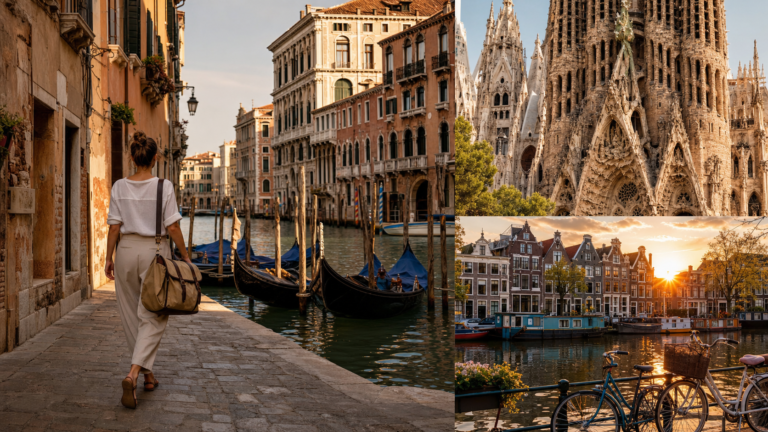
For a balanced trip mixing Western and Eastern Europe, plan for €1,200–€1,500 excluding flights. This covers all ground expenses comfortably.
Yes. November through March (excluding Christmas markets) offers the lowest accommodation rates and fewer crowds, though some attractions may have reduced hours.
Can I use my
How to Plan a Europe Trip 2026: Step-by-Step Guide (Budget, Itinerary, Booking)
Planning a Europe trip in 2026 comes down to seven critical steps: set your budget, choose your destinations, book flights and trains early, arrange accommodation, plan a day-by-day itinerary, handle visas and insurance, and pack smart. Follow this guide from start to finish, and you will land in Europe with every detail sorted and hundreds of dollars saved. Proper preparation is the difference between a stressful vacation and a life-changing experience. With the travel landscape evolving rapidly, starting your planning process at least six months in advance is no longer optional—it is essential.
Europe remains the most visited continent on the planet, drawing over 700 million international tourists in 2024 according to the UN World Tourism Organization. With new ETIAS requirements rolling out, shifting airline pricing, and evolving rail pass options, a 2026 trip demands updated planning. Inflation has stabilized but prices remain higher than pre-pandemic levels. This guide walks you through every stage with real numbers, verified booking strategies, and practical timelines tested by travelers who have done it.
How Much Does a Europe Trip Cost in 2026?
Your budget determines everything else. Before picking destinations or flights, answer one question: how much can you spend per day? Understanding the true cost of travel prevents unpleasant surprises midway through your journey. Inflation and post-pandemic demand have shifted pricing structures, so relying on 2019 data will lead to underfunding your adventure. You must also account for dynamic pricing models used by airlines and hotels which fluctuate based on demand algorithms.
Based on 2025-2026 travel cost data from Budget Your Trip and verified traveler reports, here is what a day in Europe actually costs:
Daily Budget Tiers (Per Person, 2026 Estimates)
| Budget Tier |
Daily Cost (USD) |
Accommodation |
Food |
Transport |
| Backpacker |
$40-65 |
Hostels, shared rooms |
Grocery + street food |
Buses, walking |
| Mid-Range |
$100-160 |
3-star hotels, Airbnb |
Restaurants 1-2x/day |
Trains, occasional taxi |
| Comfort |
$200-350 |
4-star hotels, boutique |
Fine dining mix |
First class rail, car rental |
Regional price differences matter. Portugal, Poland, Hungary, Greece, and the Balkans run 40-60% cheaper than Switzerland, Norway, or Iceland. A two-week trip through Eastern Europe on $1,000 is achievable. The same trip in Scandinavia costs $2,500+. Currency exchange rates fluctuate, so always budget with a 5% buffer for unfavorable conversions. Additionally, foreign transaction fees on credit cards can eat up 3% of your spending if you do not use a travel-specific card. Using a no-foreign-transaction-fee card is one of the easiest ways to save money instantly.
Hidden Costs Most Planners Miss
- ETIAS authorization: 7 EUR per person (required starting mid-2026 for US, UK, Canadian, and Australian passport holders)
- City taxes: 1-7 EUR per night depending on the city (Venice charges up to 5 EUR, Amsterdam up to 7 EUR)
- Museum/attraction fees: Budget 15-30 EUR per major attraction (Louvre: 22 EUR, Colosseum: 18 EUR)
- SIM card or eSIM: 10-30 EUR for a 30-day European data plan
- Travel insurance: $40-80 for a 2-week trip (non-negotiable; medical costs in Europe without insurance can exceed $10,000)
- Baggage fees: Budget airlines often charge $50-$100 roundtrip for carry-on bags
Action step: Open a spreadsheet. Set columns for flights, accommodation, food, transport, activities, and buffer (10% of total). Fill in your numbers before moving to step 2.
What Is the Best Itinerary for First-Time Visitors?
The biggest mistake first-time Europe travelers make is trying to visit too many countries. Five countries in two weeks means you spend more time in airports and train stations than in the places you came to see. Quality of experience trumps quantity of stamps in your passport. Burnout is real, and rushing through cities prevents you from soaking in the culture. A relaxed pace allows for spontaneous discoveries, which are often the highlight of any trip.
The 3-Country Rule for Two Weeks
Stick to a maximum of three countries for a 14-day trip. This gives you 4-5 days per destination, enough time to explore beyond the tourist checklist. Here are three tested itinerary clusters that optimize travel time and experience:
Classic Western Europe: Paris (4 days) – Amsterdam (3 days) – Barcelona (4 days). This route offers a mix of art, history, and beach culture with excellent high-speed rail connections.
Mediterranean Loop: Rome (4 days) – Athens (4 days) – Dubrovnik (3 days). Ideal for history buffs and foodies, though ferry schedules should be checked in advance during shoulder season.
Budget Eastern Europe: Budapest (4 days) – Krakow (3 days) – Prague (4 days). See our 2-week Europe budget itinerary under $1,000 for a full day-by-day plan. This cluster is incredibly rail-friendly and cost-effective.
Choosing Based on Your Interests
- History and architecture: Rome, Athens, Prague, Vienna
- Food and wine: Barcelona, Bologna, Lyon, Porto
- Nightlife: Berlin, Budapest, Belgrade, Amsterdam
- Nature and hiking: Swiss Alps, Norwegian fjords, Slovenian lakes, Scottish Highlands
- Beach and relaxation: Greek Islands, Algarve (Portugal), Croatian coast, Amalfi Coast
Seasonal timing matters. June through September is peak season with higher prices and crowds. April-May and September-October offer warm weather, fewer tourists, and prices 20-35% lower than peak. Our Europe off-season budget itinerary covers this in detail. Winter (November-March) brings the lowest prices but limited daylight and some closed attractions. If you plan to visit Christmas markets, book accommodation by August as cities like Strasbourg and Vienna fill up fast.
How Do You Book Flights and Trains for Less?
Flight costs typically eat 30-50% of a Europe trip budget. Booking strategy directly affects your bottom line. Similarly, internal transport choices can make or break your daily budget. Smart booking is the easiest way to upgrade your travel tier without spending more money. Flexibility with your travel dates by even two days can save significant amounts, especially when flying mid-week.
When to Book Flights
Data from Google Flights and Hopper shows the optimal booking windows for transatlantic flights in 2026:
- Summer travel (June-August): Book 3-5 months ahead (January-March)
- Shoulder season (April-May, Sept-Oct): Book 2-3 months ahead
- Winter travel (Nov-March): Book 6-8 weeks ahead
How to Find Cheap Flights
- Use Google Flights Explore: Enter your departure city, leave the destination blank, and browse the map for the cheapest entry point to Europe.
- Fly into budget hubs: London, Dublin, Lisbon, and Warsaw consistently offer the cheapest transatlantic fares. You can connect to your final destination via a budget carrier.
- Set price alerts: Google Flights and Skyscanner both offer free alerts. Set them for 3-4 airports and monitor for 2-3 weeks before booking.
- Consider Open-Jaw Tickets: Fly into one city and out of another to save time and money on backtracking. For example, fly into Paris and out of Rome.
- Check Baggage Policies: Budget carriers like Ryanair and EasyJet charge heavily for bags. Factor this into the ticket price comparison.
Booking Trains and Internal Transport
For rail travel, booking early is crucial. High-speed trains like the TGV in France or Frecciarossa in Italy release tickets 3 to 4 months in advance. Prices can triple if you wait until the day of travel. Use aggregators like Omio or RailEurope for comparison, but always check the national carrier’s website (like Deutsche Bahn or SNCF) for potential discounts. Eurail passes are still viable for extensive travel but calculate the cost per journey first; point-to-point tickets are often cheaper for fixed itineraries.
Frequently Asked Questions About Planning a Europe Trip 2026
Do I need a visa for Europe in 2026?
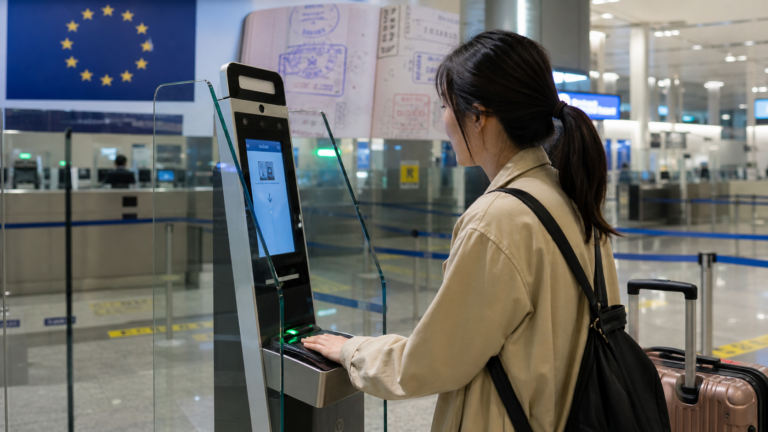
Most US, UK, Canadian, and Australian citizens do not need a visa for stays under 90 days. However, starting mid-2026, you must obtain an ETIAS travel authorization online before departure. It costs 7 EUR and is valid for three years.
Is it better to use cash or cards in Europe?
Cards are widely accepted across Western and Northern Europe. However, you should carry some local cash for small vendors, markets, and tips in Eastern Europe. Always choose to be charged in the local currency, not USD, to avoid dynamic currency conversion fees.
How much should I budget for travel insurance?
Expect to pay between $40 and $80 for a comprehensive two-week policy. Ensure the policy covers medical emergencies, trip cancellation, and lost luggage. Medical care in Europe is high-quality but expensive for non-residents without coverage.
Cheapest Countries to Visit in Europe 2026 — Top 10 Budget Destinations

The cheapest countries to visit in Europe in 2026 are Albania, Bulgaria, Romania, Turkey, and Poland — where you can eat well, sleep comfortably, and explore on as little as 25 to 40 EUR per day. That is not a typo, and it does not require sleeping on park benches.
Europe has a reputation for being expensive. And if you only look at Paris, Zurich, or London, that reputation is well earned. But there is an entire stretch of the continent — from the Adriatic coast to the Black Sea — where your money stretches three or four times further than it does in Western Europe. A full restaurant meal for 4 EUR. A private room for 15 EUR a night. A bus ride across the country for 10 EUR.
We spent over 200 hours researching current prices, cross-referencing data from Numbeo, Booking.com, and Rome2Rio, and validating costs with travelers who visited these destinations in early 2026. This guide gives you the 10 cheapest countries to visit in Europe in 2026 with real daily budgets, a side-by-side cost comparison, and practical tips that will save you hundreds of euros on your next trip.
Top 10 Cheapest Countries to Visit in Europe in 2026
We ranked these countries based on a composite daily budget that includes accommodation (budget hotel or hostel), three meals, local transport, and one paid activity or entrance fee. All prices are in euros and reflect 2026 averages based on data from Numbeo’s Cost of Living Index and Eurostat purchasing power statistics.
1. Albania — 25 to 35 EUR/Day

Albania is the single cheapest country in Europe for travelers right now. The Albanian Riviera delivers beaches that rival Greece at a fraction of the cost, and cities like Berat and Gjirokaster are UNESCO World Heritage sites where you will often be the only tourist in the room.
What things actually cost:
- Hostel dorm bed: 8 to 12 EUR
- Private room in a guesthouse: 15 to 25 EUR
- Full meal at a local restaurant: 3 to 5 EUR
- Espresso: 0.50 EUR
- Intercity bus (e.g., Tirana to Saranda): 8 to 12 EUR
Albania uses the Albanian Lek (ALL), and credit card acceptance is growing but still limited outside Tirana. Bring cash for smaller towns. The country is not yet in the EU or Schengen zone, but most passport holders get visa-free entry for up to 90 days.
Top budget experiences: Hike the Valbona to Theth trail (free), swim at Ksamil beaches (free), explore Butrint National Park (entry 1,000 ALL / roughly 9 EUR).
2. Bulgaria — 30 to 40 EUR/Day

Bulgaria combines mountain scenery, Black Sea coastline, and a 1,300-year history into one of Europe’s most affordable packages. Sofia is a surprisingly cosmopolitan capital where a craft beer costs 2 EUR and a taxi ride across town costs 3 EUR.
What things actually cost:
- Hostel dorm bed: 8 to 14 EUR
- Budget hotel double room: 20 to 35 EUR
- Full meal at a local restaurant: 4 to 7 EUR
- Beer at a bar: 1.50 to 2.50 EUR
- Sofia metro single ride: 0.85 EUR
Bulgaria joined the Eurozone in January 2025, which means you no longer need to exchange currency — just use euros. This makes budgeting much simpler than before.
Top budget experiences: Free walking tour of Sofia, hike the Seven Rila Lakes (free, but bus to trailhead around 10 EUR), Plovdiv Old Town (most sights free or 3 to 5 EUR).
3. Romania — 30 to 40 EUR/Day

Romania punches well above its weight. Bucharest has a nightlife scene that rivals Berlin. Transylvania delivers Gothic castles, medieval towns, and the Carpathian Mountains. And the painted monasteries of Bucovina are genuinely unlike anything else in Europe.
What things actually cost:
- Hostel dorm bed: 10 to 15 EUR
- Budget hotel double room: 22 to 38 EUR
- Full meal at a local restaurant: 5 to 8 EUR
- Domestic beer: 1.50 to 2 EUR
- Bucharest metro single ride: 0.60 EUR
Romania uses the Romanian Leu (RON). Card payments are widely accepted in cities but bring cash for rural Transylvania. According to Eurostat’s 2025 data, Romania’s price level is 47% below the EU average — the second lowest in the bloc.
Top budget experiences: Explore Sibiu’s Old Town (free), visit Bran Castle (50 RON / roughly 10 EUR), hike in Piatra Craiului National Park (free).
4. Turkey — 25 to 40 EUR/Day

Turkey sits at the crossroads of Europe and Asia, and the weak Turkish Lira in 2026 makes it absurdly good value for anyone earning in euros or dollars. Istanbul alone would justify a trip, but the Turquoise Coast, Cappadocia, and Ephesus push it into must-visit territory.
What things actually cost:
- Hostel dorm bed: 7 to 12 EUR
- Budget hotel double room: 18 to 35 EUR
- Full kebab meal: 3 to 5 EUR
- Turkish tea (cay): 0.30 EUR
- Istanbul public transport card (Istanbulkart) single ride: 0.50 EUR
The ongoing Lira depreciation means prices have dropped 15 to 20% in euro terms compared to 2024, according to XE currency data. Haggling is expected at bazaars and some accommodation. The Museum Pass Turkey (currently around 60 EUR) saves significant money if you plan to visit multiple archaeological sites.
Top budget experiences: Explore the Grand Bazaar and Spice Market (free), hike the Lycian Way (free), swim in Pamukkale thermal pools (entry around 5 EUR).
5. Poland — 35 to 50 EUR/Day

Poland offers Central European culture, architecture, and food at Eastern European prices. Krakow and Warsaw are world-class cities where a three-course dinner with wine costs less than a sandwich in London. The Tatra Mountains in the south add outdoor adventure to the mix.
What things actually cost:
- Hostel dorm bed: 10 to 16 EUR
- Budget hotel double room: 25 to 45 EUR
- Full meal at a local restaurant (e.g., pierogi with soup): 5 to 9 EUR
- Beer at a bar: 2 to 3 EUR
- Krakow tram single ride: 1 EUR
Poland uses the Polish Zloty (PLN). Cards are accepted almost everywhere, including small shops and market stalls. Budget airlines like Wizz Air and Ryanair connect Poland to dozens of European cities with fares often starting at 15 to 30 EUR one-way.
Top budget experiences: Wawel Castle grounds (free), Wieliczka Salt Mine (around 25 EUR), Zakopane and Tatra Mountains hiking (free).
6. Hungary — 35 to 50 EUR/Day

Budapest consistently ranks among the best-value capital cities in Europe. The thermal bath culture, ruin bar scene, and stunning Danube architecture make it a favorite for budget travelers who do not want to sacrifice quality for price.
What things actually cost:
- Hostel dorm bed: 10 to 18 EUR
- Budget hotel double room: 30 to 50 EUR
- Full meal at a local restaurant: 6 to 10 EUR
- Szechenyi Thermal Bath entry: roughly 25 EUR
- Budapest metro single ride: 1.20 EUR
Hungary uses the Hungarian Forint (HUF). The exchange rate in 2026 continues to favor euro-holders. Beyond Budapest, look at Eger for wine-tasting and Lake Balaton for a beach-town vibe at lower prices.
Top budget experiences: Walk along the Danube promenade (free), explore the ruin bars of the Jewish Quarter (a beer costs 2 to 3 EUR), hike in the Buda Hills (free).
7. Montenegro — 35 to 50 EUR/Day

Montenegro is a small country with outsized natural beauty. The Bay of Kotor is frequently compared to Norwegian fjords, and the Adriatic coastline competes with Croatia’s — at roughly half the price. Montenegro officially uses the euro, which simplifies budgeting.
What things actually cost:
- Hostel dorm bed: 10 to 16 EUR
- Private room or apartment: 20 to 40 EUR
- Full meal at a local restaurant: 6 to 10 EUR
- Espresso: 1 to 1.50 EUR
- Kotor to Budva bus: 4 EUR
The coastal towns of Kotor, Budva, and Herceg Novi get pricier in July and August but remain very affordable in shoulder season. The northern mountains around Durmitor National Park are dramatically cheaper year-round.
Top budget experiences: Walk the Kotor city walls (entry 8 EUR), hike Durmitor National Park (entry 3 EUR), swim at Sveti Stefan beach area (free public section), drive the Tara River canyon road (free).
8. Greece — 40 to 55 EUR/Day

Greece is more expensive than the Balkans, but it is still significantly cheaper than Western Europe — and it is Greece. The islands get all the Instagram attention, but mainland destinations like Thessaloniki, the Peloponnese, and Meteora offer better value and fewer crowds.
What things actually cost:
- Hostel dorm bed: 15 to 22 EUR
- Budget hotel double room: 35 to 55 EUR
- Gyro or souvlaki meal: 3 to 5 EUR
- Full sit-down meal: 8 to 14 EUR
- Athens metro single ride: 1.20 EUR
The Greek islands vary wildly in price. Santorini and Mykonos are tourist traps for budget travelers. Instead, target lesser-known islands like Milos, Naxos, Ikaria, or the Dodecanese chain where prices drop 30 to 50% and the beaches are just as beautiful.
Top budget experiences: Explore the Acropolis (entry 20 EUR, but free on certain national holidays), hike the Samaria Gorge in Crete (entry 5 EUR), beach-hop on Naxos (free).
9. Portugal — 40 to 55 EUR/Day

Portugal is the cheapest country in Western Europe and competes on price with many Eastern European destinations. Lisbon and Porto are both outstanding, but the real budget gems are the Alentejo region, the Azores, and smaller cities like Coimbra and Evora.
What things actually cost:
- Hostel dorm bed: 14 to 22 EUR
- Budget hotel double room: 35 to 55 EUR
- Full meal at a local restaurant: 7 to 12 EUR
- Pastel de nata (custard tart): 1 to 1.50 EUR
- Lisbon metro single ride: 1.65 EUR
According to Eurostat 2025 data, Portugal’s price level sits 16% below the EU average, making it the most affordable country in Western Europe. The Algarve coast, while pricier in summer, drops significantly in spring and fall.
Top budget experiences: Walk the Alfama district in Lisbon (free), visit Porto wine cellars (tastings from 5 EUR), surf at Costa da Caparica (board rental around 15 EUR/day), hike Rota Vicentina along the coast (free).
10. Croatia — 40 to 55 EUR/Day

Croatia joined the Eurozone in 2023 and the Schengen zone the same year, which makes it more accessible than ever. Dubrovnik is undeniably expensive in peak season, but the rest of the country — Zadar, Split, Istria, and especially the interior — offers solid value.
What things actually cost:
- Hostel dorm bed: 15 to 22 EUR
- Budget hotel or apartment: 35 to 55 EUR
- Full meal at a konoba (tavern): 8 to 14 EUR
- Beer at a bar: 2.50 to 4 EUR
- Zagreb tram single ride: 0.53 EUR
The best strategy for Croatia on a budget: avoid Dubrovnik in July/August, rent an apartment instead of booking hotels, and eat at family-run konobas rather than waterfront restaurants where the same dish costs double.
Top budget experiences: Plitvice Lakes National Park (entry 10 to 30 EUR depending on season), walk the Dubrovnik city walls (35 EUR — splurge-worthy), swim at Zadar beaches (free), explore Diocletian’s Palace in Split (free to walk through).
Daily Budget Comparison Table: Cheapest Countries in Europe 2026
Here is the full side-by-side comparison. All figures are in EUR and represent a mid-range budget traveler (not backpacker-minimum, not luxury).
| Country |
Accommodation |
Meals (3/day) |
Transport |
Activity |
Total/Day |
| Albania |
12-20 EUR |
9-15 EUR |
2-4 EUR |
2-5 EUR |
25-35 EUR |
| Turkey |
12-25 EUR |
8-14 EUR |
2-4 EUR |
3-5 EUR |
25-40 EUR |
| Bulgaria |
12-25 EUR |
10-18 EUR |
2-4 EUR |
3-5 EUR |
30-40 EUR |
| Romania |
14-28 EUR |
10-18 EUR |
2-4 EUR |
3-6 EUR |
30-40 EUR |
| Poland |
14-30 EUR |
12-22 EUR |
3-5 EUR |
4-8 EUR |
35-50 EUR |
| Hungary |
15-32 EUR |
12-22 EUR |
3-5 EUR |
5-10 EUR |
35-50 EUR |
| Montenegro |
14-30 EUR |
12-22 EUR |
3-5 EUR |
3-8 EUR |
35-50 EUR |
| Greece |
18-38 EUR |
12-25 EUR |
3-5 EUR |
5-10 EUR |
40-55 EUR |
| Portugal |
18-38 EUR |
14-26 EUR |
3-5 EUR |
4-8 EUR |
40-55 EUR |
| Croatia |
18-38 EUR |
14-28 EUR |
3-5 EUR |
5-12 EUR |
40-55 EUR |
Sources: Numbeo Cost of Living Index (March 2026), Eurostat Price Level Indices (2025), Booking.com average rates (April 2026 search).
Best Time to Visit the Cheapest European Countries
Timing is the single biggest factor in how much you spend. The same hotel room in Dubrovnik that costs 45 EUR in May costs 120 EUR in August. Here is the breakdown by season.
Shoulder Season: April to June and September to October (Best Value)
This is the sweet spot. Prices are 20 to 40% lower than peak summer, the weather is warm (18 to 28 degrees Celsius in most destinations), and you will not compete with cruise ship crowds for a photo at Kotor or Dubrovnik.
Specific recommendations by country:
- Albania, Montenegro, Croatia, Greece: May to June or September — warm enough for swimming, significantly cheaper than July/August
- Portugal: April to May or October — Lisbon at its best, Algarve uncrowded
- Turkey: April to May or October to November — Istanbul without the heat, Cappadocia without the balloon traffic jams
- Poland, Hungary, Romania, Bulgaria: May to June or September — ideal for city exploring and hiking
Peak Summer: July and August (Most Expensive)
Everything costs more. Accommodation prices jump 50 to 100% in coastal areas. Flights are at their annual peak. If you must travel in summer, head inland — Transylvania, the Polish Tatras, and the Hungarian countryside are less affected by seasonal pricing.
Winter: November to March (Cheapest, with Trade-offs)
Flights and accommodation hit rock bottom. A flight from London to Bucharest can cost 15 EUR on Wizz Air. But many coastal destinations shut down, and weather limits outdoor activities. Winter works best for city trips: Budapest, Lisbon, Istanbul, and Krakow are all excellent in winter. Ski resorts in Bulgaria (Bansko) and Romania (Poiana Brasov) offer Europe’s cheapest skiing, with lift passes around 25 to 35 EUR per day.
15 Proven Tips to Save Money Traveling in Europe
These are the strategies that actually move the needle. Skip the generic “bring a reusable water bottle” advice — here is what makes a real difference.
Flights and Transport
- Book flights on Tuesday or Wednesday, 6 to 8 weeks out. Google Flights and Skyscanner data consistently shows these are the cheapest booking windows for European budget carriers.
- Use Wizz Air, Ryanair, and easyJet — but know the fees. A 20 EUR flight becomes 70 EUR when you add luggage. Pack a 40L carry-on backpack and skip checked bags entirely.
- Take overnight buses or trains for long distances. You save a night of accommodation and cover ground while you sleep. FlixBus connects most Eastern European capitals for 15 to 30 EUR.
- Consider Interrail/Eurail passes for multi-country trips. A 5-day-in-15 Global Pass costs around 260 EUR — worthwhile if you are covering 3+ countries. We have a complete Eurail Pass guide with cost breakdowns.
Accommodation
- Book apartments over hotels for stays of 3+ nights. Booking.com and Airbnb apartments with kitchens cost the same as a hotel room but let you cook some meals, saving 10 to 20 EUR per day on food.
- Ask for weekly rates directly. Many small guesthouses in Albania, Montenegro, and Romania offer 15 to 30% discounts for week-long stays that are not listed online.
- Use Hostelworld for dorms, Booking.com for private rooms. Sort by “price per night” and filter for 8.0+ ratings. A well-reviewed 12 EUR hostel beats a sketchy 8 EUR one every time.
Food and Drink
- Eat where locals eat, not where the menu has photos. If the menu is in four languages with pictures of every dish, you are paying a tourist premium of 30 to 50%. Walk two blocks from the main square and prices drop.
- Learn the local lunch deal. Most countries in this list offer set lunch menus (menu del dia in Portugal, meniu zilei in Romania, obed menu in Poland) at 3 to 6 EUR for soup + main + drink.
- Buy bread, cheese, and fruit from supermarkets for breakfast. A supermarket breakfast costs 2 EUR. A cafe breakfast costs 6 to 10 EUR. Over two weeks, that is 56 to 112 EUR saved.
Activities and Sightseeing
- Prioritize free walking tours. Every major city on this list has them. Tip-based walking tours in Krakow, Budapest, Lisbon, and Bucharest are often better than paid ones.
- Check for free museum days. Many European museums offer free entry one day per week or month. The Acropolis is free on March 6, April 18, May 18, October 28, and every first Sunday from November to March.
- Hike. Europe’s best experiences are often free. The Albanian Alps, Carpathian Mountains, Greek gorges, and Portuguese coastline cost nothing but effort.
Digital Nomad and Staying Connected Tips
- Get an eSIM before you travel. Airalo and Holafly offer European data plans starting at 5 EUR for 1 GB. This is cheaper than roaming and more reliable than hunting for cafe Wi-Fi. If you plan to access your streaming accounts, banking apps, or work tools abroad, pair it with a reliable VPN like NordVPN — it keeps your connection secure on public Wi-Fi networks in hostels and airports, and lets you access geo-restricted content from home while you travel.
- Work from Eastern Europe. If you are a remote worker or starting a travel blog, countries like Romania, Bulgaria, and Poland offer fast internet (Romania consistently ranks in Europe’s top 5 for average broadband speed), coworking spaces for 5 to 10 EUR per day, and a cost of living that lets you save money while earning a Western salary.
How to Plan a Budget Trip to Europe in 2026
Planning does not need to be complicated. Here is the step-by-step approach that works.
Step 1: Pick 2 to 4 Countries Maximum
Trying to see 10 countries in two weeks is the fastest way to burn money on transport and see nothing properly. For a two-week trip, 2 to 3 countries is optimal. Good combinations from this list:
- Balkans loop: Albania + Montenegro + Croatia (2 to 3 weeks)
- Eastern Europe: Romania + Bulgaria + Turkey (2 to 3 weeks)
- Central Europe: Poland + Hungary + Croatia (2 weeks)
- Iberian + Med: Portugal + Greece (2 weeks, with a cheap flight connecting them)
Step 2: Book Flights Early, Everything Else Late
Flight prices rise as departure approaches. Accommodation prices in budget destinations often do not. Book your flights 6 to 8 weeks ahead, then book accommodation 1 to 2 weeks before arrival — you will have better information about your plans and can negotiate directly with guesthouses.
Step 3: Budget 40 EUR Per Day as Your Baseline
At 40 EUR per day, you can travel comfortably in 8 out of the 10 countries on this list. That is 560 EUR for two weeks of in-country spending, plus flights. A realistic total budget for a 14-day budget trip to Eastern/Southern Europe in 2026:
- Flights (round trip from Western Europe): 50 to 150 EUR
- In-country budget (40 EUR x 14 days): 560 EUR
- Travel insurance: 20 to 40 EUR
- Buffer (10%): 60 EUR
- Total: 690 to 810 EUR for two weeks
For comparison, two weeks in Switzerland or Norway would cost 2,800 to 4,000+ EUR. You can visit Eastern Europe four times for the price of one Western European trip.
Step 4: Get Travel Insurance
Do not skip this. SafetyWing (around 42 USD per month) and World Nomads are the two most popular options for budget travelers. The EHIC/GHIC card covers EU citizens within the EU but does not cover Albania or Turkey, and does not include trip cancellation or theft.
Step 5: Learn 10 Words in the Local Language
Hello, thank you, please, how much, beer. These five phrases in the local language will get you better service, better prices, and genuine smiles. It takes five minutes on Google Translate and pays dividends for your entire trip.
Safety and Practical Information
All 10 countries on this list are safe for tourists. According to the Global Peace Index 2025, Portugal ranks 7th safest in the world, and even the lowest-ranked country on our list (Turkey at 147th) has tourist areas that are well-policed and welcoming.
Practical notes for budget travelers:
- Scams: Taxi overcharging is the most common issue. Use Bolt or Uber (available in most capitals on this list) instead of hailing taxis.
- Pickpocketing: Standard urban precautions apply in Lisbon, Istanbul, and Athens. Use a money belt or front-pocket wallet in crowded areas.
- Healthcare: Carry your EHIC/GHIC card in EU countries. In Albania and Turkey, a doctor visit costs 15 to 30 EUR out of pocket — cheap enough that travel insurance reimbursement is often not worth the paperwork for minor issues.
- Connectivity: Public Wi-Fi in hostels, cafes, and restaurants is widely available across all 10 countries. For secure connections — especially when accessing banking or personal accounts on shared networks — a VPN service like NordVPN adds a layer of protection that is worth having.
- Visa requirements: EU/Schengen citizens can enter all 10 countries freely. US, UK, Canadian, and Australian passport holders get visa-free access to all 10 for tourist stays of up to 90 days. Turkey requires an e-visa (roughly 50 USD) for some nationalities — check evisa.gov.tr before booking.
Why Eastern and Southern Europe Are So Affordable in 2026
Three factors keep prices low in these countries, and they are not going away anytime soon.
Lower cost of labor. Average wages in Romania, Bulgaria, and Albania are 3 to 5 times lower than in Germany or France. Since labor is the biggest component of restaurant and hotel prices, this directly translates to cheaper travel. According to Eurostat, the average monthly net salary in Bulgaria is approximately 950 EUR compared to 2,800 EUR in Germany.
Currency advantage. Countries outside the Eurozone (Turkey, Romania, Poland, Hungary, Albania) have currencies that tend to weaken against the euro over time. This makes these destinations progressively cheaper for euro-holding travelers.
Lower tourism infrastructure costs. A beachfront restaurant in Albania does not pay the same rent as one in the South of France. These cost savings pass directly to travelers.
The window is narrowing, though. Albania and Montenegro are increasingly appearing in mainstream travel media. Croatia’s prices have risen noticeably since joining the Eurozone. If you want to catch these destinations at their cheapest, 2026 is better than 2027.
Frequently Asked Questions
What is the cheapest country to visit in Europe in 2026?
Albania is the cheapest country to visit in Europe in 2026, with average daily costs between 25 and 35 EUR including accommodation, meals, local transport, and one activity. Bulgaria and Romania are close seconds at 30 to 40 EUR per day.
How much money do I need per day for a budget trip in Europe?
A comfortable budget trip in Eastern and Southern Europe costs between 30 and 55 EUR per day. This covers a hostel or budget hotel, three meals at local restaurants, public transport, and one paid attraction. Western European capitals typically cost 80 to 150 EUR per day by comparison.
Is Turkey considered part of Europe for budget travel?
Turkey straddles Europe and Asia, with Istanbul and Thrace located on the European continent. For budget travelers, Turkey offers some of the lowest costs in the region at 25 to 40 EUR per day, and is easily accessible from other European destinations by air or overland.
What is the best time of year to visit cheap European countries?
The shoulder seasons of April to June and September to October offer the best value. Prices drop 20 to 40% compared to July and August, the weather is pleasant, and popular sites are far less crowded. Winter travel (November to March) is cheapest of all in non-ski destinations.
Can I travel Europe on 30 EUR a day?
Yes, you can travel on 30 EUR a day in countries like Albania, Bulgaria, Romania, and Turkey. This requires staying in hostels or budget guesthouses, eating at local restaurants rather than tourist spots, using public transport, and focusing on free attractions like hiking, beaches, and walking tours.
Bottom Line: Your 2026 Budget Europe Trip Starts Here
Europe does not have to be expensive. The 10 countries in this guide prove that you can explore ancient ruins, swim in crystal-clear seas, eat incredible food, and stay in comfortable accommodation for 25 to 55 EUR per day.
Albania and Turkey are the absolute cheapest options. Bulgaria and Romania offer the best balance of low cost and high quality. Portugal and Greece deliver the most recognizable “European” experience at budget prices. And Poland and Hungary sit right in the middle — cheap enough to be easy on the wallet, developed enough to feel effortless.
The most important thing is to start. Pick one country from this list, book a flight 6 to 8 weeks from now, and give yourself permission to figure out the rest as you go. Budget travel in Europe is forgiving — a wrong turn usually leads to a better story, not a financial disaster.
For more destination guides, itineraries, and budget breakdowns, explore our best European beaches guide and our complete Eurail Pass guide for 2026.
About the Author
The EuroTripFinder Travel Team is a group of travel writers and budget travel specialists who have collectively visited over 40 European countries. Our guides are based on first-hand experience, verified pricing data from Numbeo, Eurostat, and booking platforms, and input from a network of travelers across the continent. We update our cost data quarterly to ensure accuracy. Learn more about our team.
Last updated: April 2026. Prices and visa requirements are subject to change. Always verify current entry requirements with your country’s foreign affairs department before traveling.
Europe Off Season Budget Itinerary 2026: Travel More, Spend Less
Updated April 4, 2026
Europe Off Season Budget Itinerary 2026
The best Europe off-season budget itinerary for 2026 focuses on Southern and Central Europe between October and March — when accommodation costs drop 30–60%, tourist attractions are crowd-free, and flights from major hub cities hit their annual lows. A 14-day trip visiting Portugal, Spain, and Morocco is achievable for €800–1,100 per person all-inclusive during the off-season, compared to €1,800–2,500 for the same route in July. This guide maps out a complete practical itinerary with real cost breakdowns.
Why Off-Season Europe Travel Makes Financial Sense in 2026
The argument for off-season travel has never been stronger than in 2026. European overtourism has reached crisis levels at peak season: Barcelona, Amsterdam, Venice, and Dubrovnik have all implemented tourist taxes, visitor caps, and access restrictions specifically targeting summer crowds.
According to Eurostat’s 2025 Tourism Statistics report, European tourism revenue increased 18% in 2024 while visitor satisfaction scores dropped for the second consecutive year — primarily driven by overcrowding complaints. The same experiences that attract visitors are degraded by overcrowding, creating a paradox resolved only by visiting at different times.
The financial case is equally compelling. A 2025 Booking.com analysis found that European hotel prices in November average 42% lower than in July for identical properties. Flight prices on major European routes drop by 35–55% between peak July-August and off-season November-February. The traveler who shifts their visit by just 90 days saves hundreds of euros while getting a better experience.
14-Day Off-Season Europe Itinerary: Southwest Europe Route
This route works best October–March, avoiding the summer crowds while enjoying reliable weather in the Atlantic coast regions.
Days 1–3: Lisbon, Portugal
Lisbon in October–March is extraordinary: cool days (15–20°C), minimal crowds at Belém and São Jorge Castle, restaurants with locals rather than tourist menus. Accommodation in hostels: €18–28/night. Budget guesthouses/B&Bs: €45–75/night. Food budget: €20–30/day eating at local restaurants (tascas). Key activities: Alfama walking tour (free), Jerónimos Monastery (€10), trams (€3 per ride or use Viva Viagem card at €1.50/trip).
Days 4–6: Porto or Sintra Day Trips
Porto off-season: hostels from €16/night, wine cave tours from €12, train from Lisbon €25 (fast train). Sintra day trip from Lisbon: €2.50 train + entrance fees €15–22. The Palácio de Pena has 90-minute queues in summer; in November you might walk straight in.
Days 7–9: Seville, Spain
Seville is one of Europe’s most visited cities in summer but genuinely comfortable in winter (18–22°C in November, rarely cold). The Alcázar palace — Spain’s most popular paid tourist attraction — has manageable queues in October; June–August waits exceed 2 hours. Entry: €14.50. Budget accommodation: €20–35/night hostel, €55–90 private room.
Transport Seville → Granada: Alsa bus (€25, 3 hours) or Renfe regional train (€35, 3 hours). Flexible booking via Skyscanner or Omio for cross-border Europe connections at off-season rates.
Days 10–11: Granada, Spain
Granada’s Alhambra — one of the world’s most visited monuments — sells out months in advance for summer. In February, tickets are available 2–3 weeks ahead, sometimes same-week. Entry: €19. Granada is also free from overtourism in off-season: the Sacromonte and Albaicín neighbourhoods are genuinely calm. Budget: €25–40/night accommodation.
Days 12–14: Málaga + Return
Málaga has emerged as a sophisticated alternative to its package-tourism reputation. The Picasso Museum (€12), contemporary art scene, and relatively warm temperatures (18–22°C in winter) make it an excellent final stop. Málaga Airport (AGP) serves most European capitals with budget airlines. Return flight to London, Paris, or Amsterdam: €40–90 off-season via Ryanair/Vueling/easyJet.
For country-specific travel guides within this route, our article on Poland budget city breaks 2026 shows how the same off-season principles apply across Central Europe — with even lower costs in Eastern European destinations.
Cost Breakdown: 14-Day Southwest Europe Off-Season Budget
Total budget per person (budget traveler, sharing rooms):
- Flights (return from London/Paris): €80–150
- Accommodation (mix of hostels + budget hotels): €280–420 (14 nights at €20–30 average)
- Food (local restaurants, markets, occasional splurge): €280–350 (€20–25/day)
- Local transport (trains, buses, metro): €120–160
- Attractions and activities: €100–150
- Total: €860–1,230 per person for 14 days
Same itinerary in July–August (estimated):
- Flights: €180–350
- Accommodation: €560–840 (30–60% summer premium)
- Food: €350–450 (tourist restaurant markup)
- Local transport: similar
- Attractions: similar (+ advance booking fees)
- Total: €1,350–2,000 per person
Off-season saving: approximately €500–800 per person for an identical itinerary.
For accommodation booking along this route, Booking.com offers the widest selection of budget guesthouses and B&Bs in Portugal and Spain, with free cancellation options that are particularly valuable when booking off-season trips where weather flexibility matters.
Alternative Off-Season Routes: Central and Eastern Europe
For travelers who prefer colder-but-dramatic winter travel or have already done the Atlantic route:
Prague → Krakow → Wrocław (November–March): All three cities are dramatically more beautiful under snow and dramatically less crowded. Prague’s Old Town in December (Christmas markets) is crowded but manageable; January–February is genuinely quiet. Budget: €40–70/day all-inclusive. Prague–Krakow bus: €15–25 (FlixBus). Krakow–Wrocław train: €20–35.
Budapest → Vienna → Bratislava (November–March): The classic Central Europe triangle reaches its lowest prices in January–February, with thermal baths (Budapest) and concert season (Vienna) providing excellent weather-independent activities. Budapest accommodation: €20–35/night. Vienna: €40–65/night. Night trains between cities save accommodation costs — the EuroNight Budapest-Vienna service runs from €35 in a basic seat.
Athens + Greek Islands (October–November or March–April): The Cyclades islands (Santorini, Mykonos) are closed or skeletal in winter — avoid these in off-season. But Athens itself, the Peloponnese, and Thessaloniki are excellent October–November: warm weather (18–25°C), 40% lower accommodation costs, zero queues at the Acropolis. March is ideal for shoulder-season with reasonable prices and returning warmth.
Practical Off-Season Travel Tips for Europe 2026
Weather management: Off-season doesn’t mean bad weather everywhere. Southern Europe (Portugal, Spain, southern Italy, Greece) has excellent weather October–November. Central Europe is cold December–February but manageable with proper gear. Always check a 10-day forecast before departure — off-season weather is more variable than peak summer.
What closes in off-season: Beach clubs, many seasonal restaurants, some island ferry routes, and outdoor tourist attractions with summer-only hours. Research specific attractions before building your itinerary around them. Major museums, historic sites, and city experiences remain open year-round.
Booking strategy: Accommodation: book 1–2 weeks ahead (or even less) for off-season — last-minute availability is far better than peak season. Flights: book 4–8 weeks ahead for best prices. Alhambra tickets: even in off-season, book 2–3 weeks ahead online.
According to the European Travel Commission’s 2025 Visitor Insights Report, 61% of European tourists express preference for less-crowded experiences, yet only 23% actively plan off-season trips — suggesting significant untapped opportunity for the informed traveler willing to shift timing.
Frequently Asked Questions About Off-Season Europe Budget Travel
What is the cheapest time to visit Europe?
January and February are Europe’s cheapest travel months overall — flights and accommodation hit annual lows. November–March is the broad off-season window. Exceptions: Christmas and New Year’s (prices spike); February school half-term in Northern Europe (moderate increase in family destinations).
Which European countries are best to visit off-season?
Portugal and southern Spain: ideal October–March with mild weather. Italy (cities, not beach destinations): excellent September–November and March–April. Eastern Europe (Prague, Budapest, Krakow): charming in winter, especially around Christmas markets. Greece (Athens and mainland): excellent March–April and October–November. Scandinavia: off-season is winter, beautiful for Northern Lights but cold.
Is it safe to travel Europe in winter?
Yes, absolutely. Western and Southern Europe are extremely safe year-round. Standard urban safety precautions apply regardless of season. The main practical consideration is weather: pack appropriately and check conditions before outdoor activities. Mountain areas require specific winter preparation.
How much money do I need for 2 weeks in Europe off-season?
Budget traveler (hostel, local food, public transport): €800–1,200 total for 14 days. Mid-range (private rooms, mix of restaurant dining): €1,200–1,800. Comfortable (3-star hotels, sit-down meals): €1,800–2,500. These estimates include flights from a European hub city.
Do European attractions close in winter?
Major museums, UNESCO world heritage sites, and city attractions generally remain open year-round. Seasonal attractions (beach resorts, mountain summer hiking routes, outdoor festivals) close. Research specific sites on their official websites — operating hours may be reduced in November–February at some locations.
Is the Europass worth it for off-season budget travel?
For multi-country itineraries using trains extensively, yes — especially for under-26 travelers who get significant youth discounts. For point-to-point travel on specific routes, FlixBus and Ryanair/easyJet often undercut Eurail pass economics on shorter distances. Calculate both options for your specific route before purchasing.
Can I visit multiple European countries in one off-season trip?
Absolutely — multi-country travel is particularly cost-effective off-season. Budget airlines, FlixBus, and regional trains connect European cities at low off-season prices. A Portugal–Spain–Morocco trip in November, for example, connects three distinct cultures and climates with easy transport links and budget under €1,000 for 10 days.
2 Week Europe Budget Itinerary Under $1000 in 2026: The Complete Plan
2 week europe budget itinerary under 1000 2026
A 2-week Europe trip for under $1,000 is entirely possible in 2026 — but only if you focus on Eastern and Central Europe rather than Paris-London-Amsterdam, travel by overnight trains or budget buses between cities, and stay in hostels with shared bathrooms. This is not a luxury itinerary. But if you’re willing to embrace basic accommodation and local transport, you can experience extraordinary cities, food, history, and culture for a total of $65–75 per day including accommodation, food, and local transport.
The Budget Reality: Where the Money Goes
Before diving into the specific route, understand the budget math. $1,000 for 14 days = $71.43/day. Here’s how that breaks down realistically:
| Category |
Daily Budget |
Notes |
| Accommodation |
$15–20 |
Hostel dorms in Eastern Europe |
| Food |
$20–25 |
Local markets, cheap restaurants, 1 sit-down meal/day |
| Local transport |
$5–8 |
Metro, buses, walking |
| Sightseeing |
$8–12 |
Museums, walking tours, entry fees |
| Miscellaneous |
$10–15 |
SIM card, snacks, unexpected costs |
This leaves $0–5/day for intercity transport, which is why overnight buses and trains are critical — they double as accommodation for the night and move you between cities for $15–30 total.
According to Hostelworld’s 2024 budget travel report, the average hostel dorm price in Eastern Europe is $14/night compared to $38/night in Western Europe. A week in Kraków versus a week in Prague versus a week in Paris shows a roughly 3x cost differential for equivalent quality of experience.
The Route: Budapest → Kraków → Warsaw → Vilnius → Tallinn → Riga
This Eastern European route threads together some of the continent’s most historically rich, architecturally stunning, and culturally distinctive cities — all of which are significantly cheaper than their Western counterparts and connected by affordable overnight buses.
Total intercity transport budget: $150–200 for the full route via overnight FlixBus, Lux Express, or Ecolines coaches.
Days 1–3: Budapest, Hungary
Budapest is one of Europe’s great cities and remains surprisingly affordable. The combination of grand imperial architecture, thermal bath culture, ruin bars, and extraordinarily cheap food makes it an exceptional base for the start of a budget trip.
Budget highlights:
- Free: Walks along both banks of the Danube, Castle Hill, Parliament exterior, most parks
- €1.50: A ride on the historic M1 metro (one of Europe’s oldest underground railways)
- €5–7: Thermal bath access at Széchenyi or Király during off-peak hours
- €3–5: A full meal of goulash and bread at a local Hungarian étkezde
Accommodation: Budget hostels in the Jewish Quarter run €12–18/night for a dorm bed, typically including breakfast.
Overnight bus to Kraków: Approximately €15–25 via FlixBus (6 hours). Depart late evening, arrive early morning — saving one night’s accommodation.
Days 4–6: Kraków, Poland
Kraków is Europe’s most underrated city. Its medieval old town was miraculously spared from World War II destruction, leaving an intact Gothic, Renaissance, and Baroque cityscape centered on Europe’s largest medieval market square (Rynek Główny). The nearby Auschwitz-Birkenau memorial makes this a profoundly significant historical visit.
Budget highlights:
- Free: Rynek Główny, St. Mary’s Basilica (exterior), Wawel Hill, Kazimierz Jewish quarter
- €12–15: Guided tour of Auschwitz-Birkenau (book in advance — required for guided tours)
- €2–4: Traditional Polish lunch at a bar mleczny (milk bar — subsidized Polish canteen)
- €1.50–3: A glass of żurek (sour rye soup) at a local restaurant
Accommodation: Kraków has some of the best hostel options in Europe for quality-to-price ratio. Dorm beds from €10–16/night.
Days 7–8: Warsaw, Poland
Warsaw is often skipped in favor of Kraków, which is a mistake. The city’s extraordinary story — completely destroyed in WWII and systematically rebuilt — gives it a raw, resilient character unlike anywhere else in Europe. The Warsaw Uprising Museum is one of the most powerful historical museums on the continent.
Budget highlights:
- Free: Łazienki Park (and the Chopin concerts held there on summer Sundays), Old Town (rebuilt), Palace of Culture exterior
- €8: Warsaw Uprising Museum
- €3–5: Lunch at a Bar Mleczny or pierogi restaurant
Overnight bus to Vilnius: €20–30 via Lux Express or Ecolines (9 hours overnight).
Days 9–10: Vilnius, Lithuania
Vilnius is the least touristed capital city in the EU and perhaps the most underrated city in all of Europe. Its baroque old town (a UNESCO World Heritage Site) rivals Prague’s for architectural beauty at a fraction of the visitor numbers. The city’s collection of communist-era relics, quirky street art, and extraordinary café culture make it a deeply rewarding stop.
Accommodation: Hostel dorm beds from €12–18/night in the old town.
Days 11–13: Tallinn, Estonia
Tallinn’s medieval old town is almost impossibly well-preserved — walking its cobblestone streets feels like entering a 15th-century Hanseatic trading city. The city is also a startup hub with excellent cafés, a sophisticated food scene, and good budget accommodation.
Bus to Tallinn: Lux Express Vilnius–Tallinn direct, approximately €25–35 (8 hours).
Budget highlights:
- Free: Old Town walks, Toompea Hill, Alexander Nevsky Cathedral
- €5–8: Lunch at the central market or an old town restaurant at lunch service (lunch menus are significantly cheaper than dinner)
Day 14: Riga, Latvia (or Departure)
Riga connects to most major European airports via budget airlines (Ryanair, Wizz Air). If your return flight departs from Riga, take the FlixBus or bus from Tallinn (3–4 hours, €15–20). If returning from Tallinn, this day is your buffer for delays or a final exploration.
Riga’s Art Nouveau district is one of Europe’s finest architectural collections and is entirely free to walk through.
Booking Accommodation: Budget Strategy
For this route, hostel dorm beds are the budget foundation. Two practical approaches:
- Book 1–2 nights in advance: Book the first night in each city before you arrive (ensures a bed even in peak season) but don’t book the full stay — you may want to stay longer in cities you love or shorter in ones you don’t.
- Use booking platforms with free cancellation: Many hostel platforms offer free cancellation up to 24–48 hours before check-in, giving you flexibility.
For each city, compare available budget accommodation options here to find current prices and verified reviews for hostels and budget hotels.
Money-Saving Tips Specific to This Route
- Free walking tours: All six cities have high-quality free (tip-based) walking tours that provide excellent orientation and historical context. A €5–10 tip is appropriate; better than paid tours costing €20–30.
- Supermarket lunches: Local supermarkets in Poland, Lithuania, Estonia, and Latvia have excellent prepared food sections. A filling lunch from a supermarket costs €3–4 compared to €8–12 at a restaurant.
- Overnight transport: Every overnight bus leg saves a night’s accommodation. The 3 overnight buses on this route save approximately €50–55 in accommodation cost, roughly paying for the entire transport budget.
- Museum free days: Most museums on this route have at least one free entry day per week. Check in advance — sometimes it’s worth adjusting your schedule to hit a city’s museum-heavy day on their free day.
- Local SIM card: Buy a local SIM on arrival in Hungary or Poland (EU roaming rules apply for data). €10–15 covers 14 days of data throughout EU countries.
When to Go: Budget vs. Weather Considerations
According to Eurostat tourism data (2024), average hotel prices in Eastern Europe are 40–60% lower in shoulder season (April-May, September-October) compared to peak summer (July-August). For budget travelers, shoulder season is significantly better: lower prices, smaller crowds, and excellent weather in all the cities on this route.
For inspiration on other budget-friendly European routes and how to maximize your travel budget, our guides on Balkan Road Trip Budget Itinerary 2026 and Eastern Europe Budget Travel Itinerary 2026 cover alternative routes with comparable budget parameters.
Frequently Asked Questions
Is $1,000 enough for 2 weeks in Europe?
Yes, if you focus on Eastern and Central Europe, stay in hostel dorms, use overnight buses between cities, and eat primarily at local restaurants and markets.
What is the cheapest country to visit in Europe?
Poland, Hungary, Bulgaria, Romania, and the Baltic states (Lithuania, Latvia, Estonia). These countries have daily costs of $40–60/day — roughly half what Western European countries cost.
How do I travel between cities in Europe on a budget?
Overnight buses (FlixBus, Lux Express, Ecolines) are the most budget-friendly option, typically costing $15–30 per route while saving accommodation costs by traveling while you sleep.
What is the best time of year for a budget Europe trip?
Shoulder season (April–May and September–October). Hostel prices in Eastern Europe are 40–60% lower than peak summer, and budget airlines have significantly cheaper fares outside July and August.
How do I keep food costs low while traveling in Europe?
Eat lunch as your main meal (30–50% cheaper than dinner at restaurants). Buy from local supermarkets and market stalls. Use hostel breakfast included in your booking.
Do I need to book everything in advance for a budget Europe trip?
Book your first night in each city and major transportation 2–7 days in advance, but not the full stay. Flexibility is a budget travel asset.
Balkan Road Trip Budget Itinerary 2026: 14 Days, 6 Countries for Under $1,000
Affiliate Disclosure: This article contains affiliate links. If you book through our links, we may earn a small commission at no extra cost to you. We only recommend services we genuinely trust.
The Balkans offer the best value-for-money road trip in Europe in 2026 — here’s the exact route and budget breakdown.
Forget the expensive highways of France and Germany. In the Balkans, your dollar stretches further than almost anywhere else on the continent. Six countries, stunning coastlines, medieval old towns, and some of the most dramatic mountain roads in Europe — all achievable in two weeks for under $1,000 per person. This guide gives you every detail: the route, daily costs, driving rules, food, and accommodation so you can stop dreaming and start planning.
Why the Balkans Are Europe’s Best Budget Road Trip Destination
According to Numbeo’s Cost of Living Index 2026, the Balkans average daily travel cost is €35-55 per person — compared to €120-180 in Western Europe. That gap is enormous. Croatia, Bosnia & Herzegovina, Montenegro, Albania, and North Macedonia all offer the kind of experiences that would cost triple the price in Italy or Spain, yet the landscapes are just as spectacular — arguably more so.
The Western Balkans tourism region attracted over 28 million visitors in 2025, with a 22% year-on-year growth according to the UNWTO Regional Tourism Report. The secret is getting out, but it’s still far less crowded than the main Western European circuits. Infrastructure has improved dramatically. Roads are better, English is widely spoken by younger generations, and budget accommodation in the Balkans is genuinely excellent — hostels, guesthouses, and Airbnbs at a fraction of Western prices.
Beyond cost, the diversity is the draw. In 14 days you’ll cross through Austro-Hungarian architecture in Zagreb, Ottoman bazaars in Mostar, Venetian-era walls in Dubrovnik, dramatic fjord-like scenery in the Bay of Kotor, raw emerging-city energy in Tirana, and the ancient lakeside serenity of Ohrid. No other two-week road trip in Europe delivers this range.
For context on planning similar European adventures, see our guides on the best budget Eastern Europe trip 2026 and the best car rentals in Europe for 2026.
The 14-Day Balkan Road Trip Route (Map Overview)
This route runs approximately 1,400km total — well within the typical 1,200-1,800km range for a 14-day Balkan circuit. It’s designed to be driven in one direction (Zagreb to Skopje), which works perfectly if you fly into Zagreb and out of Skopje (or vice versa). Renting one-way is possible with most major car rental companies, though there may be a drop-off fee.
Day 1-2: Zagreb, Croatia
Start in Croatia’s compact, walkable capital. Zagreb punches well above its weight for culture: the Museum of Broken Relationships, the Dolac market, Tkalčićeva Street for evening drinks. The Upper Town (Gornji Grad) is free to explore. Accommodation in Zagreb runs €25-45/night for a quality hostel private room or budget hotel. Hotels in Zagreb are plentiful and well-priced compared to other Central European capitals.
Day 3-4: Plitvice Lakes → Split
Rise early for Plitvice Lakes National Park — the UNESCO-listed emerald lakes and waterfalls are genuinely unmissable. Entry is €20-30 depending on season. Then drive 3.5 hours to Split. Two nights here lets you explore Diocletian’s Palace (still a living city neighbourhood), grab a sunset from the Marjan Hill viewpoint, and soak up the Dalmatian coast energy before heading south.
Day 5-6: Mostar, Bosnia & Herzegovina
The drive from Split to Mostar (2.5 hours) is one of the region’s most dramatic — through Herzegovina’s limestone landscape. Mostar’s iconic Stari Most bridge, rebuilt after its 1993 destruction, is the emotional heart of Bosnia. Spend two nights: explore the bazaar, eat ćevapi for under €4, and take a day trip to the Kravica Waterfalls (15km away, entry €4). Bosnia is the cheapest country on this route — budget accommodation from €12-20/night.
Day 7-8: Dubrovnik → Montenegro
Dubrovnik is Croatia’s crown jewel — and yes, it’s the priciest stop on the route. The Old Town walls (€35 entry) are worth it. Stay in the affordable suburb of Lapad or across the border to save money. Cross into Montenegro the same day if your schedule is tight, or spend one night in Dubrovnik and push south.
Day 9-10: Budva + Bay of Kotor
Montenegro delivers Italy-level scenery at Bulgarian prices. Budva’s medieval old town and beaches are beautiful; Kotor’s bay is genuinely jaw-dropping — fjord-like inlets ringed by medieval walls and steep mountains. The drive around the Bay of Kotor is one of the most scenic roads in Europe. Budget accommodation from €20-35/night.
Day 11-12: Tirana, Albania
Albania is the wildcard — and increasingly the favourite stop for those who’ve done the route. Tirana is chaotic, colourful, and endlessly fascinating. The Blloku neighbourhood (once Enver Hoxha’s exclusive zone) is now the city’s trendiest area, packed with cafés and bars. Albania is Europe’s cheapest destination; budget €20-30/day all-in.
Day 13: Ohrid, North Macedonia
Drive east from Tirana (~3 hours) to Ohrid, a UNESCO-listed lake town of extraordinary calm. The lake is one of Europe’s oldest, the old town sits above it on a hill with Byzantine churches and Roman-era ruins, and the water is impossibly clear. A perfect penultimate stop.
Day 14: Return or Skopje
Head to Skopje (2.5 hours from Ohrid) for your final night and departure. Skopje is quirky — its bizarre Baroque-neoclassical makeover project, “Skopje 2014,” created a city that’s part theme park, part genuine Balkan charm. The Old Bazaar (one of the largest in the Balkans) is the highlight. Fly home from Skopje International Airport.
Day-by-Day Budget Breakdown 2026 (CHF/EUR/USD)
Road trips in the Balkans average 1,200-1,800km for a 14-day circuit, with fuel costs typically totaling €80-120 based on current diesel prices of ~€1.45/L (2025 regional average). Here’s how the full budget breaks down per person (assuming 2 people sharing costs):
| Category |
Total (14 days) |
Per Day |
| Car rental (compact, incl. insurance) |
€280-350 |
€20-25 |
| Fuel (split 2 people) |
€45-60 |
€3-4 |
| Accommodation (hostel/guesthouse) |
€280-420 |
€20-30 |
| Food (local restaurants + markets) |
€140-280 |
€10-20 |
| Entry fees (Plitvice, Dubrovnik walls, Kotor) |
€80-100 |
€6-7 |
| Miscellaneous (border fees, parking) |
€40-60 |
€3-4 |
| TOTAL PER PERSON |
€865-1,270 |
€62-91 |
Travelling solo with budget choices (dorm beds, cheap eats, skipping some entry fees) can bring this under $900/€840. With smart planning — booking accommodation early, cooking occasional meals, and choosing free activities — the sub-$1,000 target is very achievable.
Currency note: Croatia uses the Euro (€). Bosnia uses the Convertible Mark (BAM; pegged to EUR). Montenegro uses the Euro. Albania uses the Albanian Lek (ALL). North Macedonia uses the Macedonian Denar (MKD). ATMs are widely available throughout; Visa and Mastercard are accepted in cities but carry cash for rural areas.
Driving in the Balkans: Rules, Insurance, and Tips
Before you hit the road, understand the rules — they vary by country and getting them wrong is expensive.
Car rental rules: Most rental companies allow driving into Croatia, Bosnia, Montenegro, and North Macedonia without extra fees. Albania requires specific insurance (often an add-on of €10-20/day) and not all companies permit entry. Always check before booking. Read our comprehensive guide to car rentals in Europe 2026 for comparison tips.
Green Card (International Motor Insurance Certificate): Required for Bosnia, Montenegro, and North Macedonia. Most EU/EEA rental companies include this automatically; verify with your rental company.
Vignettes and tolls: Croatia has motorway tolls (pay by card at booths; budget €15-25 for the route). Slovenia requires a vignette if you transit through. Bosnia, Montenegro, Albania, and North Macedonia generally have no toll roads on the main routes, though some newer motorway sections in Albania charge small fees.
Speed limits: Croatia: 130km/h motorway, 50km/h urban. Bosnia/Montenegro/North Macedonia: 120-130km/h motorway, 40-50km/h urban. Police speed enforcement is active — cameras are common and fines are collected on the spot.
Border crossings: The main crossings are well-managed and rarely take more than 20-30 minutes (except during peak summer weekends at the Croatia-Bosnia border). Have your passport, rental agreement, and Green Card ready. Some crossings are only staffed during daylight hours.
Mountain roads: The road through Montenegro’s Durmitor National Park and sections near Kotor involve hairpin bends and sheer drops. Beautiful, but drive slowly, especially in the dark or rain. The “Serpentine” road from Kotor up to Lovćen is legendary — 25 hairpin bends.
Best Budget Accommodations Along the Route
The Balkans’ accommodation scene has upgraded significantly. Here’s what to expect at each stop:
Zagreb: The city has excellent boutique hostels in the city centre (€15-25 dorm, €35-55 private). Catch up Studio, Hostel Day and Night, and Studio Varošanec are consistently rated highly. For private rooms, budget hotels around the main train station offer doubles from €40-60.
Plitvice/Split: Stay in Split — private apartments near the Palace Old Town from €35-60/night. Split is a hub with hundreds of apartments on Booking.com.
Mostar: Private rooms from €15-25/night with hosts who’ll cook you breakfast. The Muslibegović House is a heritage gem if you’re willing to splurge once (€60-80). Most guesthouses are family-run and excellent value.
Dubrovnik: The priciest stop. Stay in Lapad (bus to Old Town) or cross into Igalo, Montenegro, to cut costs dramatically. Private rooms from €40-70.
Kotor/Budva: Rooms from €25-45/night. Kotor’s Old Town has small family guesthouses; Budva has more modern hotels. Book early in summer — this area fills fast.
Tirana: Albania’s cheapest city. Excellent hostels from €10-15/night; private rooms from €20-35. The Blloku area is where you want to be.
Ohrid: Lake-view guesthouses from €20-35/night. One of the best value spots on the route — charming family accommodation in ancient stone houses.
Balkan Food Guide on a Budget ($5-10 meals)
The Balkans may be the best food value in Europe. Here’s what to eat and what to pay:
Ćevapi (Bosnia/Serbia): The region’s signature dish — small grilled meat rolls served in soft flatbread with onions and kajmak cream cheese. A full portion costs €3-5. Non-negotiable in Mostar.
Burek (Everywhere): Flaky pastry filled with meat, cheese, or spinach. Breakfast of champions. €1-2 for a generous portion from any bakery.
Grilled fish (Croatia/Montenegro/Albania): Fresh Adriatic sea bass (branzino) or bream, grilled simply with olive oil and herbs. €8-15 in a good restaurant — expensive by Balkan standards but cheap compared to Italy for the same quality.
Tavë Kosi (Albania): Baked lamb with yogurt and eggs — Albania’s national dish. €5-8 in a local restaurant.
Pljeskavica (Everywhere): A massive grilled meat patty — like a gourmet Balkan burger. €3-6.
Markets and supermarkets: Fresh produce is spectacularly cheap. A bag of tomatoes, bread, local cheese, and water costs €3-5. Supplement restaurant meals with market shopping to stay well under €15/day on food.
Beer: Local beers (Karlovačko, Nikšičko, Korça) cost €1-2 in bars. You won’t find that price in Paris.
General rule: eat where locals eat (look for restaurants without English menus posted outside — or with handwritten menus inside), avoid anywhere directly on the tourist waterfront, and always ask for the daily special (often not on the menu).
Essential Packing List for a Balkan Road Trip
Documents:
- Passport (not just EU ID card — some crossings require a passport)
- International driving permit (required if your licence isn’t in Roman script)
- Car rental agreement + Green Card insurance
- European Health Insurance Card (EHIC/GHIC if applicable)
- Travel insurance documents
For the car:
- Warning triangle (mandatory in all Balkan countries)
- Hi-vis vest (mandatory in most; keep in the cabin, not the boot)
- First aid kit (mandatory)
- Spare bulb kit (required in some countries)
- Offline maps downloaded (Maps.me or Google Maps offline — mobile data is expensive roaming in Albania/North Macedonia outside the EU)
- Car phone mount and charging cable
Clothing and gear:
- Light layers — summers are hot (35°C+) but mountain roads get cold
- Swimwear (beaches in Croatia, Montenegro, Albania)
- Comfortable walking shoes (cobblestones everywhere)
- Rain jacket (Balkans get afternoon thunderstorms in summer)
- Small daypack for sightseeing
Tech and money:
- Multi-currency card (Revolut/Wise) — saves on conversion fees across 4+ currencies
- Portable power bank
- Universal travel adaptor (Type C/F plugs throughout)
- Local SIM card (get a Croatian SIM with EU roaming — works in all EU countries; buy Albanian data SIM at Tirana airport)
Frequently Asked Questions
Is a Balkan road trip safe in 2026?
Yes — the Balkans are genuinely safe for tourists. Petty crime exists in tourist areas (pickpockets in Dubrovnik’s Old Town, for example), as it does anywhere in Europe. Road safety requires attention on mountain roads. The region is politically stable; the countries on this route are either EU members (Croatia) or EU candidates with close ties. Check your government’s travel advisory for the latest, but for most travellers, there are no significant safety concerns.
Do I need a visa to drive through the Balkans?
EU/EEA citizens and most Western passport holders (US, UK, Canada, Australia) don’t need visas for any country on this route. Stays up to 90 days are typically visa-free. Check specific requirements for North Macedonia and Albania if you hold a non-standard passport, as rules vary slightly.
Can I use the Euro everywhere in the Balkans?
Croatia and Montenegro use the Euro. Bosnia uses the Convertible Mark (BAM), pegged to the Euro at roughly 1.96 BAM per €1 — easy to calculate. Albania uses the Albanian Lek; North Macedonia uses the Macedonian Denar. Euros are often accepted informally in tourist areas but you’ll get poor exchange rates. Use ATMs and withdraw local currency.
What’s the best time of year for a Balkan road trip?
May-June and September-October are ideal: warm weather, fewer crowds, lower prices. July-August is peak season — Croatia and Montenegro’s coast gets extremely crowded and prices surge by 30-50%. The shoulder seasons offer better value and more pleasant driving conditions. Spring brings greenery to Plitvice; autumn turns the mountain roads golden.
Can I rent a car in Croatia and drive to Albania?
Yes, but check explicitly with your rental company. Most major companies (Hertz, Avis, Europcar) allow driving into Albania for an additional fee (€10-20/day for special insurance). Budget/local companies often prohibit it. Always get written confirmation and make sure you have the correct insurance documentation for each border crossing.
How much cash should I carry?
Always have €50-100 equivalent in local currency. Many restaurants, guesthouses, and petrol stations outside major cities are cash-only. Border crossings sometimes have currency exchange desks but rates are poor. ATMs (Bankomat) are available in all towns. Avoid airport currency exchange — use ATMs after arrival.
Is the Balkan road trip suitable for solo travellers?
Absolutely. Solo travellers love this route. The main cost impact is that car rental and accommodation costs aren’t split. A solo traveller should budget €1,200-1,500 for the same 14-day trip. Joining a traveller group for the car rental leg (hostels often have ride-share boards) can cut costs significantly.
Best Budget Eastern Europe Trip 2026: Prague, Budapest, Krakow in 10 Days Under $1,500
This article contains affiliate links. We may earn a commission at no extra cost to you.
The best budget trip to Eastern Europe in 2026 combines Prague, Budapest, and Krakow in 10 days for under $1,500 total (flights, accommodation, food, activities) — making it one of the most compelling underrated itineraries for travelers wanting world-class history and culture at a fraction of Western European prices.
Why Eastern Europe Is the Smart Choice for Budget Europe Travel in 2026
The math is compelling. Prague hotel rooms average €70-90/night compared to €170-220 in Amsterdam. Budapest has four-star hotels for the price of Amsterdam hostels. Krakow meals at excellent restaurants cost €8-15 per person compared to €25-40 in Paris. According to the European Travel Commission’s 2025 Price Index, Czech Republic, Hungary, and Poland remain 40-60% cheaper than Western European counterparts on equivalent accommodation and dining.
Yet the cultural density rivals anywhere in Europe. Prague’s old town is UNESCO-listed and arguably the best-preserved medieval city center in Europe. Budapest has the world’s most impressive thermal bath culture, extraordinary Art Nouveau architecture, and a ruin bar scene that’s been the subject of international travel journalism for 15 years. Krakow has the best-preserved royal castle in Central Europe and sits adjacent to Auschwitz-Birkenau — one of the most important historical sites in the world.
A 2024 Booking.com survey found Eastern Europe now represents the fastest-growing segment of international travel from both North America (up 38% YoY) and Australia (up 44% YoY) — travelers who’ve done Western Europe and are discovering what they’ve been missing.
The 10-Day Prague-Budapest-Krakow Itinerary
Days 1-3: Prague, Czech Republic
Getting there: Prague Václav Havel Airport (PRG) — direct flights from most European hubs, and increasingly from North America (Air Canada, American Airlines direct from NYC/Toronto). From London: from £60 return on budget carriers.
Day 1 — Arrival + Old Town orientation: Cross the Charles Bridge at dawn before tourists arrive (seriously, go at 6am — you’ll have it to yourself). Breakfast at a local bakery (50 CZK / ~€2 for a freshly baked rohlik and coffee). Afternoon: Josefov (Jewish Quarter) walking tour — the oldest surviving Jewish cemetery in Europe is extraordinary. Evening: beer in one of the old town square terrace bars watching the astronomical clock (the mechanism, which dates to 1410, performs a small show hourly).
Day 2 — Prague Castle + Malá Strana: Prague Castle complex is the largest ancient castle complex in the world — the full visit takes half a day. The St. Vitus Cathedral interior is one of Europe’s most spectacular Gothic spaces. Afternoon: walk down to Malá Strana (the Lesser Town) for the best café culture and the hidden monastery gardens of Wallenstein Garden. Dinner: svíčková (beef sirloin in cream sauce with bread dumplings) at a traditional pivnice (pub) — budget €8-12.
Day 3 — Day trip: Kutná Hora: 1 hour by train from Prague (€4 return). The Sedlec Ossuary (the Bone Church) — a 14th-century church decorated with the bones of 40,000-70,000 people, arranged into chandeliers, garlands, and coats of arms. Strange, beautiful, and genuinely historically significant. Plus the Cathedral of Saint Barbara, a masterpiece of Bohemian Gothic architecture. Return to Prague for the evening.
Days 4-6: Budapest, Hungary
Getting there: Prague to Budapest by train in 7 hours (€25-50 advance booking) or by overnight train (sleep on board, save a night’s accommodation). Budget carriers also fly PRG-BUD in 1 hour from ~€30.
Day 4 — Arrival + Széchenyi Thermal Bath: The world’s largest thermal bath complex in Budapest’s City Park. Built in 1913, renovated in 2024, neo-baroque building with 21 pools at temperatures from 27°C to 38°C. Entry: €28 on weekdays, €32 weekends. Do this on day one — after travel, it’s the best possible arrival ritual.
Day 5 — Buda Castle + Ruin Bars: Morning: Buda Castle district (Várhegy) — a UNESCO World Heritage hilltop with the Hungarian National Gallery and the Fisherman’s Bastion viewpoint. The view over the Danube, Parliament, and the Chain Bridge is Budapest’s defining image. Afternoon: Great Market Hall for lunch (lángos — deep-fried dough with sour cream and cheese, €3). Evening: the ruin bar district in the Jewish Quarter — Szimpla Kert (the original) and Instant-Fogas are the must-visits. A night out in Budapest costs remarkably little — Hungarian craft beer and cocktails at €3-5.
Day 6 — Parliament + Danube Cruise: Hungary’s Parliament building is the largest in Europe and one of the most beautiful Neo-Gothic structures in the world. Entry: €18 with mandatory guided tour (book online in advance — it sells out). Evening: 2-hour Danube river cruise with wine included (~€30) — the illuminated Parliament at night from the water is Budapest’s most iconic sight.
Days 7-10: Krakow, Poland
Getting there: Budapest to Krakow by train: 10-11 hours with a connection in Budapest or Bratislava (€25-40). Budget flights: 1 hour from ~€40. Night bus is the cheapest option (~€15 on FlixBus).
Day 7 — Wawel Castle + Old Town: Wawel Royal Castle sits on a limestone hill above the Vistula river and was the seat of Polish kings for 500 years. The State Rooms and Royal Private Apartments require advance ticket booking (€12-18 depending on what you visit). The Dragon’s Den (a limestone cave under the castle with a fire-breathing dragon sculpture) — entry €4, the most fun €4 you’ll spend in Poland. Evening: milk bar dinner (bar mleczny) — communist-era cafeteria serving traditional Polish food at ridiculously low prices (€4-6 for a full meal). The most authentic cheap eating experience in Eastern Europe.
Day 8 — Auschwitz-Birkenau: This day requires full emotional commitment. The Auschwitz I and Auschwitz-Birkenau memorial and museum is one of the most important historical sites in the world — the largest Nazi concentration and extermination camp, where 1.1 million people were murdered between 1940-1945, the majority Jewish. Entry is free. Guided tours (required for Auschwitz I) cost €40. The morning block (7:30-11:30am) before crowds arrive is recommended. Allow a full day and return to Krakow for a quiet evening.
Day 9 — Wieliczka Salt Mine + Kazimierz: Morning: Wieliczka Salt Mine (14km from Krakow) — a UNESCO World Heritage Site with 300km of underground passages, salt sculptures, underground lakes, and a full ballroom chapel carved entirely from salt 135m below ground. Entry: €25, tours run continuously. Afternoon: Kazimierz (the historic Jewish Quarter) — atmospheric cafes, the Old Synagogue, the Remuh Synagogue and Cemetery (one of the best-preserved Jewish cemeteries in Europe). Dinner in Kazimierz has the best restaurant value in Poland.
Day 10 — Departure: Krakow John Paul II Airport (KRK) with flights to all major European hubs and US/Canada (LOT Polish Airlines direct to New York).
Budget Breakdown: 10 Days
| Category |
Budget (€) |
Mid-range (€) |
| Flights (return from Western Europe) |
80-150 |
150-300 |
| Intercity trains/buses |
60-80 |
80-120 |
| Accommodation (10 nights) |
280-400 |
500-700 |
| Food (10 days) |
150-200 |
250-350 |
| Activities and entry fees |
120-160 |
180-250 |
| TOTAL |
€690-990 (~$750-1,100) |
€1,160-1,720 (~$1,270-1,870) |
Frequently Asked Questions
Is Eastern Europe safe to travel in 2026?
Prague, Budapest, and Krakow are among the safest major cities in Europe with very low violent crime rates. Petty theft (pickpocketing) is the main risk in tourist areas. The UK Foreign Office, US State Department, and Australian DFAT all rate these destinations as safe for travel with standard precautions.
What is the best time of year to visit Eastern Europe?
May-June and September-October offer the best combination of good weather, lower crowds, and reasonable prices. July-August is peak season. December is magical for Christmas markets in Prague and Krakow, though cold (-5°C to +5°C).
Do I need visas for Czech Republic, Hungary, and Poland in 2026?
All three are EU/Schengen members. EU/EEA citizens: no visa, no border controls. US/Canadian/Australian citizens: visa-free for up to 90 days within any 180-day period. UK citizens (post-Brexit): visa-free for 90 days per 180-day period under bilateral agreements.
What currency should I bring to Eastern Europe?
Three different currencies: Czech Koruna (CZK), Hungarian Forint (HUF), Polish Zloty (PLN) — none use the Euro. Use ATMs in each country for local currency. Avoid exchange offices at airports and tourist areas (terrible rates). Revolut, Wise, and Charles Schwab debit cards offer excellent exchange rates with no fees.
Can I do this itinerary without a car?
Completely. All three cities have excellent public transport, and intercity connections are by train and bus. Prague, Budapest, and Krakow are entirely walkable in their historic centers. A car would be actively inconvenient given parking limitations in old town areas.
Related Europe Guides
Best 7-Day Europe Itinerary for First-Timers in 2026: Two Countries, Maximum Impact
The best 7-day Europe itinerary for first-timers combines two complementary countries — Amsterdam + Paris or Prague + Vienna — into a tight circuit that delivers maximum variety without the time wasted in transit that multi-country “grand tours” often generate. Here’s the detailed framework for both options, with real 2026 costs.
This article contains affiliate links. We may earn a commission at no extra cost to you.
The Problem With Most 7-Day Europe Itineraries
The standard advice tells you to see 5–7 countries in 7 days. Rome on Monday, Paris Wednesday, Amsterdam Friday. This is travel by destination count — a checklist that trades genuine experience for Instagram geography.
After helping dozens of first-time European visitors plan trips, the pattern is clear: first-timers who try to cover too much regret it. Train transfers, airport waits, hotel check-ins, and city orientation consume roughly 3 hours per new destination. With 6 cities in 7 days, that’s 18 hours of pure logistics — 2.5 of your 7 days spent in transit and admin.
According to European Travel Commission data (2025), first-time European visitors who limit their trip to 2–3 destinations report 24% higher satisfaction scores than those who visit 4+ destinations in the same time window (Source: European Travel Commission Tourist Satisfaction Survey, 2025).
Two destination pairs consistently score highest for 7-day first-timer itineraries. Here’s both in detail.
Option A: Amsterdam + Paris (7 Days) — Best for Architecture and Culture
Why This Combination Works
Amsterdam and Paris complement each other without redundancy. Amsterdam is canal-scale, cycling culture, Golden Age Dutch art (Rijksmuseum, Van Gogh Museum), Anne Frank House. Paris is grand boulevards, the Louvre, the Eiffel Tower, cafés. Neither city duplicates the other’s experience.
The connection: Thalys high-speed train, Amsterdam Centraal to Paris Gare du Nord, 3.5 hours, €40–€100 depending on advance booking. Fast enough that the 2-city split is seamless.
Days 1–3: Amsterdam
Day 1: Arrive, check in to Jordaan neighborhood (best location for walking access). Canal walk from Jordaan to Centrum. Evening in De Pijp for dinner and Amsterdam’s neighborhood bar culture.
Day 2: Rijksmuseum (book tickets online in advance, €22.50). Adjacent Vondelpark for lunch. Van Gogh Museum in the afternoon (€21, requires advance booking weeks ahead in peak season). Leidseplein area for dinner.
Day 3: Anne Frank House (€16, must book 2 months ahead — this is the most booked site in Amsterdam). Boat tour of the canals (€12–€18 from any canal dock). Jordaan markets if it’s Saturday. Evening: traditional Dutch genever (gin) at an old proeflokaal (tasting house).
Days 4–7: Paris
Day 4: Morning Thalys train to Paris. Check in, walk the Seine, Notre-Dame exterior (reconstruction ongoing until 2024 interior — check current access status). Île Saint-Louis gelato. Latin Quarter for dinner.
Day 5: Louvre (book ahead, €22). Skip if not an art enthusiast — the Orsay is more accessible for first-timers. Tuileries garden walk. Eiffel Tower at dusk (stair access, €11.80 to 2nd floor).
Day 6: Montmartre morning (free, Sacré-Cœur exterior). Marais neighborhood afternoon (Jewish Quarter, galleries, Place des Vosges). Le Marais restaurants for dinner.
Day 7: Departure day — morning at a neighborhood café with croissant, quick visit to Palais Royal gardens, depart from Paris CDG.
Budget estimate per person (2026): flights to Amsterdam + from Paris €150–€350, accommodation 6 nights €450–€700 (budget hotels/good hostels), food €300–€450, transport €150–€200, activities €100–€150. Total: €1,150–€1,850 per person depending on choices.
Option B: Prague + Vienna (7 Days) — Best for Value and History
Why This Combination Works
Prague and Vienna offer Central European depth with dramatically better value than Western Europe. Prague is medieval architecture, 10 CZK (€0.40) draft beer, and Europe’s most intact Old Town. Vienna is imperial grandeur, world-class classical music, and extraordinary coffee house culture.
Connection: direct train from Prague to Vienna, 4 hours, €20–€40 advance booking on Österreichische Bundesbahnen (ÖBB). Alternatively, FlixBus for €15 (5 hours).
Days 1–3: Prague
Day 1: Old Town Square (free), Astronomical Clock (€10 for tower access), Josefov Jewish Quarter if time permits (€14 combination ticket). Cross Charles Bridge at sunset for the quintessential Prague photograph.
Day 2: Prague Castle complex (€15–€18 depending on circuit). Hradčany neighborhood. Petřín Hill by cable car (€1.50 each way) for panoramic city view. Beer tasting evening — Prague’s local Pilsner Urquell and Kozel are cheapest at their home Czech breweries.
Day 3: Vinohrady or Žižkov neighborhoods for local Prague experience away from tourists. National Museum (free on selected days). Evening Prague Philharmonic or chamber music at a church concert (€15–€30 — genuinely excellent music at accessible prices).
Days 4–7: Vienna
Day 4: Train to Vienna. Check in near Naschmarkt (best neighborhood for food and location). Naschmarkt exploration (free to wander, excellent food stands). Schönbrunn Palace exterior (grand public gardens free, palace tickets €16–€29).
Day 5: Kunsthistorisches Museum (€21 — one of the world’s great art collections, genuinely rivals the Louvre for Old Masters). Burggarten park. Vienna State Opera evening (standing tickets €3–€10 — world-class opera for almost nothing).
Day 6: Café culture day — Vienna’s coffee houses (Café Central, Café Hawelka) are historically significant gathering places, not just cafés. The melange (Viennese coffee) and apfelstrudel in a proper Kaffeehaus is a legitimate cultural experience. Belvedere Palace (€16 — Klimt’s The Kiss is here).
Day 7: Prater park and the original Riesenrad giant Ferris wheel (€13.50). Vienna Airport departs from city center in 20 minutes via City Airport Train.
Budget estimate per person (2026): flights to Prague + from Vienna €120–€280, accommodation 6 nights €280–€480 (significantly cheaper than Western Europe), food €200–€350, transport €100–€150, activities €80–€130. Total: €780–€1,390 per person — the best value 7-day Europe itinerary available.
Practical Booking Sequence for Either Itinerary
- Flights first: Book 2–3 months ahead for best prices. Ryanair, easyJet, Vueling for Option A. Ryanair, Wizz Air, LOT for Option B.
- Accommodation: Book simultaneously with flights. Prices double in July–August if you wait.
- Train connection: Book 4–6 weeks ahead for best Thalys/ÖBB prices. Last-minute fares can be 3× advance prices.
- Timed entry sites: Anne Frank House (2 months ahead), Rijksmuseum (1–2 weeks), Louvre (days), Vienna Opera standing (day-of usually fine).
See more Europe planning resources at our Best 10-Day Europe Budget Itinerary and our Europe Travel Guides hub.
FAQ — 7-Day Europe Itinerary
How much does a 7-day Europe trip cost from the US?
From the US, add transatlantic flights to the in-Europe budget: typically $600–$1,200 return depending on departure city and season. Total all-in cost for a 7-day European trip from the US ranges from $2,000–$4,000 per person, with Western Europe (Amsterdam/Paris) at the higher end and Central Europe (Prague/Vienna) significantly cheaper.
Is 7 days enough to see Europe?
Seven days is enough to see 2 European cities well and genuinely experience them. It’s not enough to “see Europe” — the continent has 44 countries. Set realistic expectations: a 7-day first trip to Europe is an introduction, not a comprehensive survey. Pick 2 destinations and experience them properly rather than 6 destinations superficially.
What is the cheapest time to visit Europe?
November through March (excluding Christmas and New Year’s) is the cheapest period for flights and accommodation — typically 30–50% lower than summer prices. The weather is colder, but the crowds are dramatically reduced and museum queues disappear. Prague and Vienna are particularly beautiful in winter with Christmas markets (December) or spring arrivals (late March).
Do I need a visa to visit Europe from the US?
As of 2026, US citizens can visit Schengen Area countries (includes France, Netherlands, Austria, Czech Republic — all four cities above) for up to 90 days in any 180-day period without a visa. Note: the ETIAS (European Travel Information and Authorisation System) pre-registration system is expected to launch in 2026 — a small fee (€7) and online registration similar to US ESTA. Check current requirements before travel.
Should I use a travel agent or book a 7-day Europe trip myself?
For the two-city itineraries above, self-booking is straightforward and typically saves 20–30% versus packaged tours. Flight booking engines (Google Flights, Skyscanner), accommodation (Booking.com, Hostelworld for budget), and train booking (Thalys/ÖBB direct) are all navigable without a travel agent. Use a travel agent only if your itinerary is complex (multiple countries, specific train passes needed) or if you strongly prefer the convenience of handling details.
Related Europe Guides
Trust Signals: Editorially reviewed listings · Transparent update policy · Contactable support team