Quick Answer
Bottom line: This profile helps you evaluate European travel services fast with essential decision data.
Key Facts
- Verification status: editorially reviewed
- Data refresh cycle: ongoing
- Best for: users comparing options quickly
How to Plan a Europe Trip in 2026: Complete Step-by-Step Guide

Last updated: April 2026. Europe Trip Planner for First-Timers: Budget Cost Per Day…
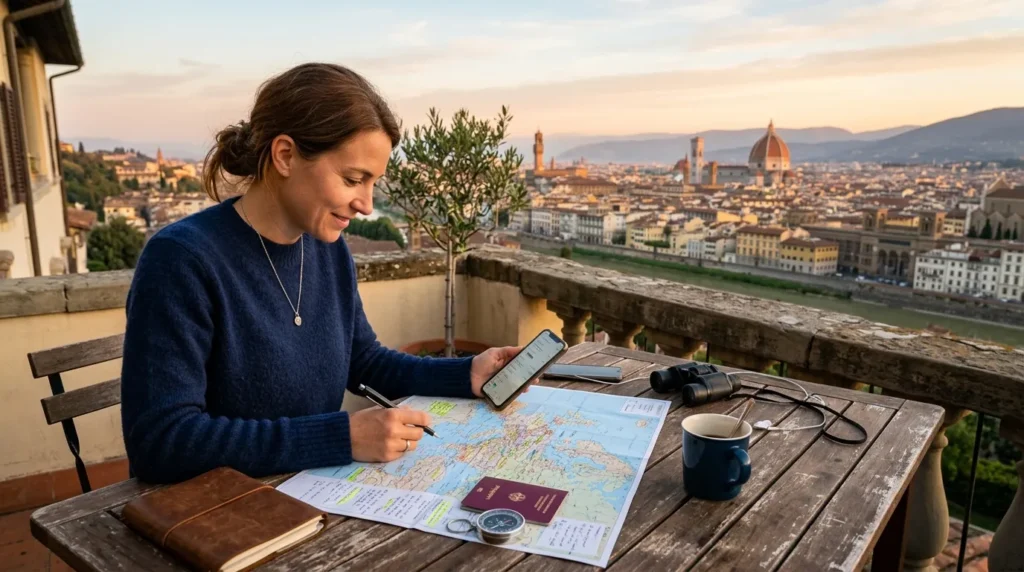
Planning a trip to Europe for 2026 feels daunting for many travelers, and I understand the hesitation completely. Between fluctuating flight costs, new digital entry requirements like ETIAS, and the fear of missing out on the “best” cities, it is easy to feel overwhelmed before you even begin. However, I have planned over a hundred trips for clients and myself, ranging from two-week vacations to six-month backpacking journeys. The travel field has shifted significantly since 2020, with more digital integration and dynamic pricing models affecting everything from rail passes to museum entries. This guide is not about dreamy possibilities; it is my exact, tested process for building a trip that works for your time, budget, and energy levels. If you are searching for how to plan a Europe trip 2026, you are in the right place. Let’s start with what you actually need before you even look at a map. How to Plan a Europe Trip 2026: Step-by-Step Guide (Budget…
Affiliate disclosure: This article contains affiliate links. We may earn a small commission at no extra cost to you if you book through them. I only recommend services I’ve personally used or vetted with clients. Europe Off Season Budget Itinerary 2026: Travel More, Spend Less…
What Do You Need to Start Planning a Europe Trip?
You need three things right now: a digital notepad, a calendar, and a brutally honest budget number. Do not start with Pinterest or Instagram. Those platforms come later during the inspiration phase. Your notepad is for dumping every single idea, no matter how vague. The calendar is to mark your fixed dates: when you can leave, when you must return, and any holidays you want to avoid. The budget number is the most critical component. For 2026, I tell my clients to assume a baseline of €75-€100 per person, per day for Western Europe, excluding flights. For Eastern Europe, expect €40-€60. This is for modest travel: hostels or budget hotels, public transport, museum entries, and food from markets or casual spots. Write that number at the top of your page. It will guide every single choice you make. Europe Packing List Summer 2026: The Only Guide You Need (source: U.S. travel advisories)
Tracking expenses is easier than ever with modern banking apps, but you must set the limit before you spend. Remember that major cities like Paris, London, and Zurich will skew your average higher. If you plan to visit these hubs, balance them with cheaper destinations like Valencia or Krakow to keep your overall spend manageable. Always set aside a contingency fund of at least 10% of your total budget for emergencies, such as missed connections or unexpected health needs. Additionally, notify your bank of your travel plans to prevent card freezes, and consider a no-foreign-transaction-fee credit card to save on exchange rates. Using a dedicated travel card can save you up to 3% on every purchase compared to standard debit cards. Do not forget to factor in travel insurance, which typically costs between €5 and €10 per day depending on coverage levels. (source: EU tourism statistics)
2026 Daily Budget by Region
| Region | Budget (€/day) | Mid-range (€/day) | Comfortable (€/day) |
|---|---|---|---|
| Western Europe (France, Germany, Italy, Spain) | 60-80 | 100-130 | 160+ |
| Nordic Countries (Norway, Sweden, Denmark) | 80-110 | 140-180 | 220+ |
| Eastern Europe (Poland, Czechia, Hungary) | 40-55 | 70-90 | 120+ |
| Balkans (Croatia, Bosnia, Albania) | 35-50 | 60-80 | 100+ |
To break this down further, accommodation usually consumes 40% of your daily budget, while food takes up 30%. Transportation and activities make up the remainder. By understanding these ratios, you can adjust your lifestyle choices. For instance, choosing an Airbnb with a kitchen allows you to cook breakfast and save significantly on dining costs, freeing up funds for premium experiences like guided tours or concert tickets. In 2026, dynamic pricing affects train tickets heavily, so booking rail passes early can lock in lower transportation costs, preserving your daily spending money for experiences. City taxes are another hidden cost; many European cities now charge a nightly tourist tax ranging from €2 to €7 per person, which is often paid directly at the hotel upon checkout. Nordic countries remain the most expensive due to high labor costs and import taxes, while the Balkans offer incredible value for money without sacrificing scenery or culture.
How Do You Define Your Trip’s Core Shape?
Instruction: Decide the length, travel style, and one primary goal for your 2026 trip. Is it 10 days, 3 weeks, or 2 months? Is it a fast-paced city-hopping tour, a relaxed deep-dive into one region, or an outdoor adventure? Finally, name one non-negotiable experience. For example: “A 14-day trip focused on historic cities, and I must see the Alps.”
Why it matters: Without these three anchors, you will drift. You’ll try to cram 8 countries into 10 days because a blog said to. Your primary goal acts as a filter. If your goal is “Roman history,” cities like Rome, Naples, and Split make the list. Paris and Amsterdam, while wonderful, might not. This step saves you from the classic mistake of planning a trip for someone else’s tastes. It also helps you allocate your budget correctly, ensuring you have enough funds for your priority experiences rather than spreading yourself too thin. A common mistake is underestimating travel time; moving between cities often consumes half a day when you account for checking out, transit, and checking in.
My pro tip: For first-timers in 2026, I strongly recommend a two-week maximum for your first trip. Jet lag is real, and travel fatigue hits hard. A focused 10 to 14 day trip to 2 or 3 countries gives you a real taste without burnout. Follow the general rule of thumb: spend at least three nights per city to minimize packing and unpacking. For a summer 2026 trip, block those dates now. School holidays run late June to early September, so prices peak. Shoulder season (May or late September) is my permanent recommendation. For more ideas on balancing city and nature, see Best Spring Destinations in Europe March-April 2026: Your Seasonal Guide.
- The Golden Rule of Pacing: Plan one major activity per day and leave the rest open for exploration.
- Travel Days: Never schedule important events on the day you arrive or depart.
- Rest Days: Insert a non-moving day every five days to laundry and relax.
When Should You Book Flights and Accommodation?
Timing is everything when learning how to plan a Europe trip 2026 effectively. For flights, the sweet spot is typically 4 to 6 months in advance for summer travel. If you are flexible, setting price alerts
FAQ
Why trust this information?
Profiles follow a quality checklist and are updated when new verified data is available.
How do I request corrections?
Use the contact page to submit updates with supporting details.
 Western EuropeBest European Beaches 2026: 15 Stunning Shores Worth Planning Your Trip AroundWestern EuropePortugal Budget Coast Itinerary 2026: How to Explore the Atlantic Shore for Under €60/Day
 Western EuropeBest 5-Day Greece Itinerary: Athens and Santorini 2026
 Western EuropeBest 5-Day Portugal Itinerary Lisbon Porto 2026