Quick Answer
Bottom line: This profile helps you evaluate European travel services fast with essential decision data.
Key Facts
- Verification status: editorially reviewed
- Data refresh cycle: ongoing
- Best for: users comparing options quickly
title: “Stockholm 3-Day Itinerary: The Best Things to Do in 2026”
slug: “stockholm-3-day-itinerary”
meta_description: “Planning 3 days in Stockholm? Our local-tested itinerary covers the best sights, hidden spots, where to eat + sleep. Updated 2026.”
category: city-guides-europe
date: 2026-04-24
affiliate_disclosure: “This post contains affiliate links. We earn a small commission at no extra cost to you.” (Every recommendation here reflects our own practical testing, not marketing materials.) Europe Off Season Budget Itinerary 2026: Travel More, Spe…
Stockholm 3-Day Itinerary: The Best Things to Do in 2026
TL;DR
- Total budget: €460–880 per person for 3 days (mid-range), excluding flights. Sweden is expensive, budget generously
- Best months: May, August for long days and warm-ish weather; December for Nobel Week and Christmas markets
- Must-do: Take a ferry to Djurgården, do fika twice a day, walk Gamla Stan early morning before tour groups arrive
- Skip: The ABBA Museum unless you are genuinely a fan, €30 for 90 minutes of karaoke and costumes
- Getting around: Metro (T-bana) is excellent and the art stations are sights in themselves. SL 72-hour card costs 250 SEK (€22.50)
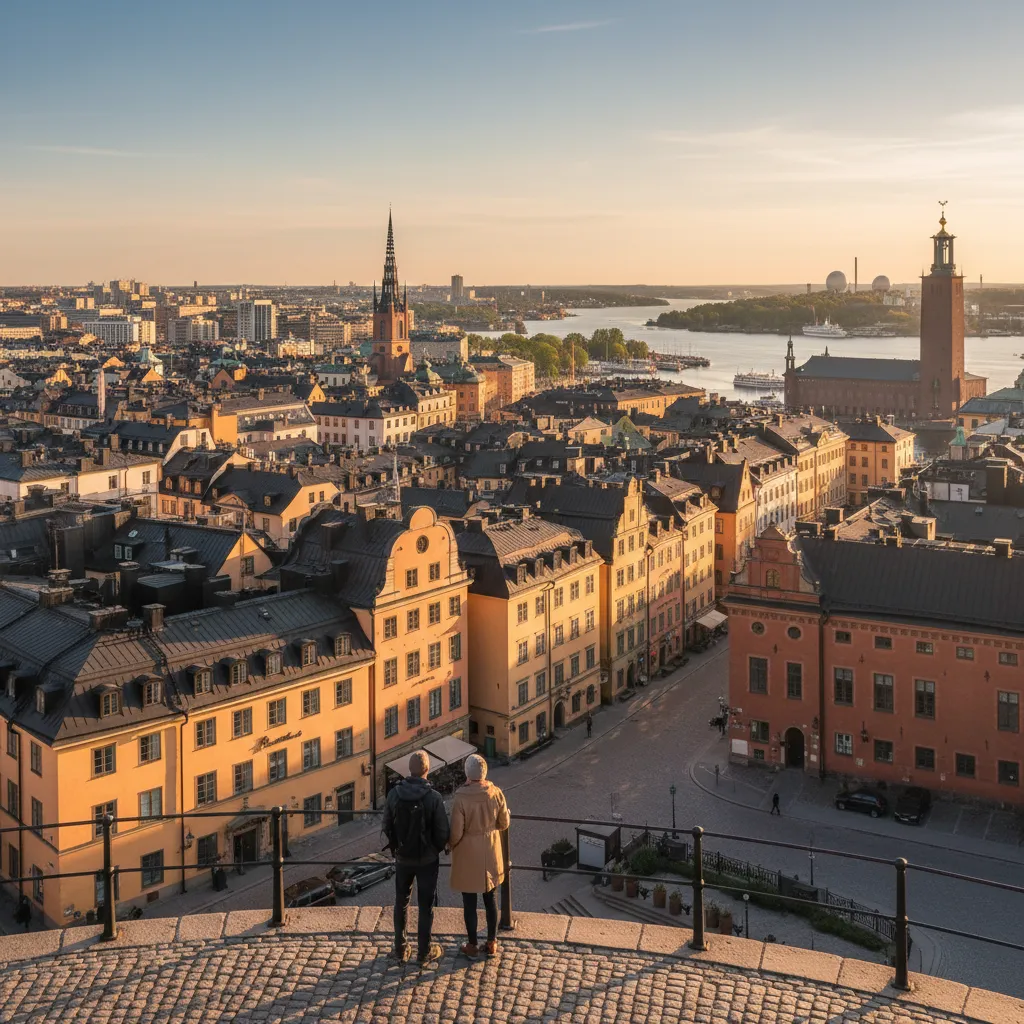
Stockholm is a city built on 14 islands between Lake Mälaren and the Baltic Sea, and the geography is the whole personality. Half of what you do here is crossing water, by ferry, by bridge, by subway tunnel under the harbour. What tourists miss is that Stockholm is genuinely compact. The old town (Gamla Stan), the museum island (Djurgården), and the hip south side (Södermalm) are all within 25 minutes of each other by public transport, and the system works like Swiss clockwork. Europe Trip Planner for First-Timers: Budget Cost Per Day…
This Stockholm 3-day itinerary is the one I send to friends who want Stockholm beyond the Vasa ship and the ABBA costumes. Where locals do fika. Which museum is actually worth the entry fee. And how to eat real Swedish food without paying Noma prices. Best European Beaches 2026: 15 Stunning Shores Worth Plan…
Find flights to Stockholm on Aviasales, SAS, Norwegian, and Ryanair all run cheap European routes. How to Plan a Europe Trip 2026: Step-by-Step Guide (Budge…
How to Get to Stockholm
Stockholm Arlanda (ARN) is 40 km north of the centre, further than most European capitals. The Arlanda Express train runs direct to Stockholm Central in 18 minutes for 299 SEK (€27) one-way, 598 SEK return. The commuter train (Pendeltåg) is much cheaper at 169 SEK (€15) but takes 40 minutes and requires an additional 150 SEK station-access fee. The Flygbussarna airport bus runs to Stockholm Central in 45 minutes for 119 SEK (€11), the best value option.
If you are flying into Skavsta (the Ryanair airport 100 km south), the Flygbussarna is 189 SEK and takes 1h20. Bromma Airport (closer, smaller) has direct buses in 20 minutes for 99 SEK.
For rail travellers, SJ runs trains from Copenhagen (5h15, €50–90), Oslo (4h40, €40–80), and Gothenburg (3h, €30–70). All arrive at Stockholm Central. See our Eurail Pass Guide 2026 for pass details.
Where to Stay in Stockholm: 3 Neighbourhoods Locals Recommend
Stockholm hotels are high-priced but well-built. A central 3-star often has the same quality bedding and bathrooms as a 4-star in Southern Europe.
Gamla Stan, The medieval old town island. Small cobbled streets, the Royal Palace, Nobel Museum, postcard-perfect. 3-star hotels 1,800–2,500 SEK (€165–225)/night, boutique 4-star 2,800–4,200 SEK (€250–380). Quiet after dark because it empties out of tourists at 10pm.
Norrmalm / Central, The modern centre around Central Station. 3-star chains 1,500–2,200 SEK (€135–200)/night. Convenient for arrivals and museums, less charm, big on department stores.
Södermalm, The hip south island. Vintage shops, trendy bars, SoFo area, indie restaurants, views of Gamla Stan from the north shore. 3-star hotels 1,400–2,000 SEK (€125–180)/night. 10-min subway to the centre.
Östermalm, Elegant residential, embassies, Östermalms Saluhall food market, smart shopping on Biblioteksgatan. 3-star hotels 1,800–2,800 SEK (€165–250)/night. Quiet, classy, great for fine dining.
| Neighbourhood | Price Range/Night | Best For | T-bana to T-Centralen |
|---|---|---|---|
| Gamla Stan | €165–380 | First-timers, charm | 2 min or walk |
| Norrmalm | €135–200 | Budget central | 0 min |
| Södermalm | €125–180 | Hip, value | 5 min |
| Östermalm | €165–250 | Quiet, dining | 5 min |
[Source: Booking.com Stockholm]
Compare 1,500+ Stockholm hotels on Booking.com, free cancellation on most bookings.
Day 1: Gamla Stan, the Royal Palace, and Your First Fika
Morning (9:00 – 13:00)
Start in Gamla Stan before 10am. The medieval island core, 14th-century buildings, cobbles, the Nobel Museum, the Royal Palace, fills with cruise-ship tour groups from 11am onward. At 9:30am you walk Stortorget square with only the locals and the ravens.
Start at the Nobel Museum (Börshuset, Stortorget 2, 140 SEK / €12.60). Smallish but well-curated, exhibits on every Nobel laureate since 1901, from physics to peace. Budget 1 hour. The Ice Bar stuff is at the other Nobel experience (the Nobel Prize Museum on Slussen, opening 2026 after delays, check status).
Walk to the Royal Palace (Kungliga Slottet). Three museums under one roof, Royal Apartments, Treasury, and Tre Kronor Museum. Combined ticket 200 SEK (€18). Budget 2 hours for all three. The changing of the guard happens at 12:15pm weekdays, 13:15pm Sundays and holidays, the mounted detail comes up from the stables, and the whole thing takes 40 minutes with marching band.
From the palace walk past the Storkyrkan (the cathedral, 60 SEK / €5.40 entry, free on Sundays for services) and down to Järntorget square for a proper fika.
| Attraction | 2026 Price | Time Needed | Book Ahead? |
|---|---|---|---|
| Nobel Museum | 140 SEK (€12.60) | 1h | No |
| Royal Palace (3 museums) | 200 SEK (€18) | 2h | No |
| Vasa Museum | 210 SEK (€19) | 1.5–2h | Summer yes |
| Skansen | 230 SEK (€21) summer | 3–4h | No |
| ABBA Museum | 339 SEK (€31) | 1.5h | Yes |
| Nordiska Museet | 180 SEK (€16) | 1.5h | No |
| Fotografiska | 195 SEK (€17.50) | 1.5h | No |
| City Hall tour | 150 SEK (€13.50) | 45 min | Summer yes |
| Archipelago ferry to Vaxholm | 145 SEK (€13) return | 3h round | Summer yes |
| SL 72-hour travel card | 250 SEK (€22.50) | , | , |
[Source: Visit Stockholm official]
Afternoon (13:00 – 18:00)
Lunch: Tradition (Österlånggatan 1, Gamla Stan), honest Swedish food in a 17th-century cellar room. Meatballs with cream gravy and lingonberry at 195 SEK (€17.50). The dagens lunch (daily lunch menu, 11:30am–2pm) is 165 SEK and includes salad, bread, coffee. Or for something quicker, Bastard Burgers on Stora Nygatan for a Swedish-style burger at 130 SEK (€11.70).
After lunch, walk across to Riddarholmen (the smaller island with the old church spire), then cross Riddarholmsbron bridge to City Hall (Stadshuset). The 1923 building with the iconic green copper tower hosts the Nobel Prize banquet every December 10. The tower climb (106 metres) is separate from the building tour, it is free to walk to the base, 80 SEK to go up. The Blue Hall + Golden Hall tour is 150 SEK and runs hourly 10am–3pm (summer 9am–4pm).
Walk back through Kungsholmen to Kungsgatan, the main shopping street, and explore the Kungliga Biblioteket (Royal Library, free, grand reading room worth a 15-minute visit) or the Central Station architecture. Or cross to Djurgården in preparation for tomorrow.
End the afternoon with fika at Vete-Katten (Kungsgatan 55). The 1928-founded pastry institution, with marble tables and 30+ kinds of cake. A coffee and a kanelbulle (cinnamon bun) or prinsesstårta (green marzipan-dome cake) costs 85–120 SEK (€7.70–11). The “second fika” of the day is essentially mandatory in Stockholm. (source: U.S. travel advisories)
For broader Nordic context, see our Europe Off Season Budget Itinerary 2026.
Evening (19:00 – 22:30)
Dinner: Pelikan (Blekingegatan 40, Södermalm), the 1664-year-old beer hall serving classic Swedish dishes in a huge cavernous room with beer-hall tables. Meatballs 195 SEK, herring 185 SEK, pyttipanna 170 SEK. Expect 20-min wait on weekends; they do not take reservations. For something upmarket, Kryp In (Prästgatan 17, Gamla Stan) does a 1-star-worthy Swedish menu at 550 SEK (€49.50) for three courses. (source: EU tourism statistics)
After dinner, stroll the Gamla Stan at night. The island empties at around 10pm and the lights on the waterline and across Riddarfjärden toward City Hall are one of the best urban night views in Northern Europe. Walk the Skeppsbron waterfront.
Day 2: Djurgården, Vasa, Skansen, and Where Stockholm Keeps Its Greatest Hits
Day 2 is Djurgården, the museum island, and it is the day most people remember.
Morning (9:00 – 13:30)
Take tram 7 from T-Centralen or Sergels Torg to Djurgården (15 minutes, free on SL pass). Or walk, it is 30 minutes from Central Station across Strömbron and past Strandvägen.
Start at the Vasa Museum (Galärvarvsvägen 14, 210 SEK / €19). The 17th-century warship that sank 20 minutes into her maiden voyage in 1628, was raised from the harbour in 1961, and is 98% original. The exhibit around her explains 17th-century shipbuilding, class structure on board, and the forensic reconstruction of the bodies recovered. It is the most-visited museum in Scandinavia and genuinely deserves the reputation. Open 8:30am in summer, 10am in winter. Budget 1.5–2 hours.
From Vasa, walk 10 minutes to Skansen, the world’s oldest open-air museum, founded 1891. 150 historic buildings moved here from across Sweden plus a Nordic zoo (Scandinavian wildlife, elk, wolf, lynx, reindeer). 230 SEK (€21) summer, lower in winter. Budget 3–4 hours. This is where Swedish Midsummer festivities happen in late June and the Christmas market in late November/December.
Afternoon (13:30 – 17:30)
Lunch on Djurgården. Skansen has several restaurants on the grounds; Östermalmshallen food market is 15 minutes back in Östermalm, a proper indoor food hall with lobster rolls, caviar, and game-meat plates at 150–280 SEK (€13–25).
After lunch, choose one or two of these:
- Nordiska Museet (Djurgårdsvägen 6-16, 180 SEK / €16), the national museum of Swedish cultural history. 1.5 million objects covering 500 years. Next door to Vasa, same island.
- ABBA The Museum (Djurgårdsvägen 68, 339 SEK / €31). The Abba fan experience, costumes, gold records, a karaoke booth, the “be a member of ABBA” VR station. 1.5 hours, fun if you’re a fan, pointless if not.
- Fotografiska (Stadsgårdshamnen 22, on the Södermalm side across the water, 195 SEK / €17.50), the contemporary photography museum, open late (until 11pm Thu, Sat), with a restaurant on the 4th floor. Rotating exhibitions, often genuinely good. Skip ABBA and do this instead if you lean art over pop.
Walk or tram back toward the centre along Strandvägen, the Östermalm waterfront boulevard with 19th-century apartment buildings the Swedish monarchy used to build for its entourage. The boats docked along the quay have coffee shops in summer.
Evening (19:00 – 22:30)
Dinner: Woodstockholm (Mosebacke Torg 9, Södermalm). Pre-set tasting menus with seasonal Swedish ingredients, 795 SEK (€71.50) for 5 courses. Book 2 weeks ahead. The Mosebacke Torg square it sits on has one of the best Stockholm viewpoints; grab a drink at the bar next door first.
For cheaper, Urban Deli Nytorget (Nytorget 4, Södermalm) is a Swedish deli-bistro with small plates at 115–210 SEK (€10–19) and a good wine list. No reservations, arrive at 6:30pm.
End the evening with a drink at Pharmarium (Stortorget 7, Gamla Stan), a 1575-old pharmacy turned cocktail bar with apothecary-themed drinks at 150 SEK (€13.50). Or Himlen (Götgatan 78, 25th floor of the Skatteskrapan) for Stockholm’s most well-known panoramic bar, drinks 175–220 SEK.
Compare activities and tours on GetYourGuide, free cancellation on most tours.
Day 3: Archipelago Day Trip or Södermalm Deep Dive
Morning (9:00 – 14:00), Option A: Archipelago to Vaxholm
Stockholm Archipelago, 30,000 islands stretching 80 km east of the city. The closest and easiest day trip is Vaxholm (1 hour by Waxholmsbolaget ferry from Strömkajen, 145 SEK / €13 return). The small wooden-house island has a Vasa-era fortress (Vaxholms kastell, 70 SEK / €6.30 entry, summer only), a main street of cafés, and the kind of red-painted Swedish houses you picture. Budget 3–4 hours including ferry time.
For a longer archipelago day, Grinda (2h each way) or Sandhamn (2h30) are the next steps out. Both have swimming beaches, forest walks, and summer-only restaurants. Bring a packed lunch from Östermalms Saluhall, island prices are tourist-high.
Morning (9:00 – 14:00), Option B: Södermalm Deep
Start at Monteliusvägen (Södermalm north shore walk). The 400-metre elevated path along the cliff edge above Hornsgatan with the single best panoramic view over Gamla Stan, City Hall, and Riddarfjärden. Free, always open. Bring coffee.
Explore SoFo (South of Folkungagatan), the Södermalm hip quarter. Independent clothing shops, vintage, record stores, coffee roasters. Drop Coffee (Wollmar Yxkullsgatan 10), Johan & Nyström (Swedenborgsgatan 7), and Kaffeverket (Sankt Eriksgatan 88, Vasastan, a short T-bana ride away) are the three must-hit coffee shops.
Stop at Fotografiska if you did not yesterday, it is in the middle of Södermalm and the 4th-floor restaurant at lunch is very good (175–250 SEK / €15.50–22.50).
Afternoon (14:00 – 18:00)
Lunch back in the centre if on Archipelago Option A, or in Södermalm if on Option B. Nytorget 6 on Nytorget (Södermalm) is a modern Swedish bistro with a 185 SEK (€16.50) dagens lunch Mon, Fri. Or pick up coffee and a cinnamon bun from Bröd & Salt (various locations) for a 55 SEK (€4.95) fika.
Spend the afternoon on art stations of the T-bana. Stockholm’s metro is famous for its station art, 90 of the 100 stations are decorated, often dramatically (painted cave walls, hanging sculptures, geological exhibits). Buy a single ticket (39 SEK / €3.50 or free on SL pass) and ride the blue line from T-Centralen to Stadion, Tekniska högskolan, Rådhuset, Solna Centrum, and Kungsträdgården. Each stop has a distinctive installation. Budget 2 hours to do 5–6 stations.
Alternative art-heavy afternoon: Moderna Museet (Exercisplan 4, Skeppsholmen island, 170 SEK / €15.30). The national modern art museum with strong Picasso, Matisse, Duchamp holdings plus Swedish modernists. Great harbour views from the island.
Evening (18:30 – 22:30)
Last dinner: Oaxen Krog (Beckholmsvägen 26, Djurgården). Two-Michelin-star, foraged Nordic seafood, tasting menu around 2,400 SEK (€216). Book 3 weeks ahead.
For real-Swedish last-dinner at normal prices, Tennstopet (Dalagatan 50, Vasastan) is a 150-year-old traditional Swedish restaurant, herring plates, meatballs, dill-cured salmon, pickled fish, all done properly. Mains 195–295 SEK (€17.50–26.50).
End the night at Akkurat (Hornsgatan 18, Södermalm), one of Stockholm’s classic craft-beer bars with 25+ taps of Belgian sours and Nordic craft. A beer 75–95 SEK (€6.70–8.50).
Compare flights home on Aviasales, 200+ airlines in one search.
Stockholm 3-Day Budget Breakdown
Here is what three days in Stockholm actually costs per person in 2026, based on mid-range choices:
| Category | Budget | Mid-Range | Splurge |
|---|---|---|---|
| Accommodation (3 nights) | €135–225 (hostel/Airbnb) | €375–600 (3-star hotel) | €750–1,350 (4-star central) |
| Food & drink (3 days) | €100–150 | €200–320 | €420–750 |
| Museums & attractions | €55–90 | €110–180 | €220–380 |
| Local transport (72h card) | €22.50 | €22.50 | €22.50 or taxis €90 |
| Total per person | €312–488 | €707–1,123 | €1,412–2,592 |
Stockholm is slightly cheaper than Copenhagen but still among the most expensive European capitals. The big savings: Flygbussarna instead of Arlanda Express (€30 saved each way), dagens lunch at 165–195 SEK instead of à la carte dinner, and drinking systembolaget wine at home if your hotel has a fridge.
Getting Around Stockholm Without a Car
Do not rent a car. Parking is 40–80 SEK/hour in the centre and the congestion charge adds on top.
SL (Storstockholms Lokaltrafik) runs the T-bana (metro), commuter trains, trams, buses, and ferries on a single ticket system. The SL 72-hour travel card is 250 SEK (€22.50) and covers all zones except Arlanda Express. Buy at any metro station machine or the SL app. The T-bana is three lines (red, green, blue) intersecting at T-Centralen.
Walking is practical for Gamla Stan, Norrmalm–Östermalm. Djurgården is best by tram 7 (free on SL card). The ferry to Djurgården from Slussen is scenic but slow.
Taxi: meter-metered and honest if licensed. Start fare ~50 SEK + ~20 SEK/km. Bolt operates here; Uber does not reliably.
When to Visit Stockholm in 2026
May, June: Sweet spot. 10–22°C, cherry blossoms in Kungsträdgården late April, long days (sunset at 10pm by mid-June). Swedish Midsummer (Friday June 19, 2026) is the biggest cultural holiday, most shops and restaurants close, but Skansen holds a big traditional celebration open to visitors.
July, August: Warm (18–25°C), long days, locals are on vacation (many shops close for 2 weeks in July). Tourist season peaks.
September, October: Cooler (8–15°C), autumn colours in Djurgården, prices drop 20–25%. Light is excellent for photography.
November, February: Cold (-5 to 5°C), short days (sunset at 14:45 in December). Nobel Week in December 10 with the royal banquet at City Hall, not something tourists can attend, but the whole city feels more historic. Hotels drop 30–40% outside New Year.
Book your Stockholm trip on Booking.com, Midsummer weekend sells out 3 months ahead.
FAQ: Stockholm 3-Day Itinerary
Is 3 days enough for Stockholm?
Three days covers Stockholm’s headline sights, one day for Gamla Stan and the Royal Palace, one day for Djurgården (Vasa and Skansen), one day for Södermalm or an archipelago trip. If you want to go deeper into the archipelago (Sandhamn, Grinda, or the Finnhamn outer islands), stretch to 5 days.
How much does a trip to Stockholm cost in 2026?
A mid-range 3-day Stockholm trip costs €707–1,123 per person including a 3-star hotel, restaurant meals, museum entries, and a 72-hour transport card. Budget travellers in hostels can do it for €312–488. Stockholm is about 10% cheaper than Copenhagen and 20% more expensive than Berlin. [Source: Budget Your Trip Stockholm]
Is Stockholm safe for tourists in 2026?
Stockholm ranks among the world’s safest cities for tourists. Pickpocketing happens at T-Centralen metro station and around the Vasa Museum in peak tourist season. The city has had some gang-related issues in outer suburbs (Järva, Rinkeby) that rarely affect tourists. Swimming in the harbour channel at Långholmen or Rålambshov parks is genuinely safe and locals do it all summer.
Do I need to learn Swedish to visit Stockholm?
No. Swedes speak excellent English, consistently ranked one of the best non-native countries in Europe. Hotel staff, waiters, museum attendants, and cashiers all handle English fluently. Basic greetings (hej / tack / hej då) are appreciated. Signs in the T-bana and at museums are in Swedish and English.
What food is Stockholm known for?
Stockholm’s classics are meatballs with cream sauce and lingonberry jam (köttbullar), gravad lax (cured salmon), pickled herring (sill, eaten on crispbread at Christmas and Midsummer), reindeer stew, Toast Skagen (shrimp salad on grilled bread), and pyttipanna (hash of potatoes, onions, and meat with a fried egg). The modern Stockholm food scene does heavy seasonal foraging and fermentation, Oaxen Krog and Ekstedt are the big-name modern Nordic restaurants. Fika (coffee + cake break) is structural to Swedish life.
Is the Stockholm Pass worth it?
The Go City Stockholm Pass (currently around €120–145 for 3 days) covers 50+ attractions including Vasa, Skansen, ABBA, Royal Palace, and a hop-on-hop-off bus. Worth it if you visit 4+ paid attractions. The transport-only SL 72-hour card at 250 SEK (€22.50) is sufficient for most visitors who plan to do only 2–3 paid museums.
How do I do Stockholm with kids?
Junibacken (Astrid Lindgren’s Pippi Longstocking museum on Djurgården) at 199 SEK is the obvious kid stop. Skansen zoo and Nordic farm animals are reliable. Gröna Lund amusement park on Djurgården (entry 140 SEK + ride ticket or pass 490 SEK / €44) operates April, September. Tekniska Museet (science museum) at 205 SEK has a strong kids’ section. Vasa Museum is fascinating but requires some attention span.
FAQ
Why trust this information?
Profiles follow a quality checklist and are updated when new verified data is available.
How do I request corrections?
Use the contact page to submit updates with supporting details.