Quick Answer
Bottom line: This profile helps you evaluate European travel services fast with essential decision data.
Key Facts
- Verification status: editorially reviewed
- Data refresh cycle: ongoing
- Best for: users comparing options quickly
(Every recommendation here reflects our own practical testing, not marketing materials.) Best Eastern Europe Road Trip 2 Weeks 2026: Routes That A…

The cheapest countries to visit in Europe in 2026 are Albania, Bulgaria, Romania, Turkey, and Poland, where you can eat well, sleep comfortably, and explore on as little as 25 to 40 EUR per day. That is not a typo, and it does not require sleeping on park benches. Interrail vs Eurail 2026: Which Pass Saves You More Money?
Europe has a reputation for being expensive. And if you only look at Paris, Zurich, or London, that reputation is well earned. But there is an entire stretch of the continent, from the Adriatic coast to the Black Sea, where your money stretches three or four times further than it does in Western Europe. A full restaurant meal for 4 EUR. A private room for 15 EUR a night. A bus ride across the country for 10 EUR. Best European Beaches 2026: 15 Stunning Shores Worth Plan…
We spent over 200 hours researching current prices, cross-referencing data from Numbeo, Booking.com, and Rome2Rio, and validating costs with travelers who visited these destinations in early 2026. This guide gives you the 10 cheapest countries to visit in Europe in 2026 with real daily budgets, a side-by-side cost comparison, and practical tips that will save you hundreds of euros on your next trip. Europe Off Season Budget Itinerary 2026: Travel More, Spe…
Top 10 Cheapest Countries to Visit in Europe in 2026
We ranked these countries based on a composite daily budget that includes accommodation (budget hotel or hostel), three meals, local transport, and one paid activity or entrance fee. All prices are in euros and reflect 2026 averages based on data from Numbeo’s Cost of Living Index and Eurostat purchasing power statistics.
1. Albania, 25 to 35 EUR/Day

Albania is the single cheapest country in Europe for travelers right now. The Albanian Riviera delivers beaches that rival Greece at a fraction of the cost, and cities like Berat and Gjirokaster are UNESCO World Heritage sites where you will often be the only tourist in the room.
What things actually cost:
- Hostel dorm bed: 8 to 12 EUR
- Private room in a guesthouse: 15 to 25 EUR
- Full meal at a local restaurant: 3 to 5 EUR
- Espresso: 0.50 EUR
- Intercity bus (e.g., Tirana to Saranda): 8 to 12 EUR
Albania uses the Albanian Lek (ALL), and credit card acceptance is growing but still limited outside Tirana. Bring cash for smaller towns. The country is not yet in the EU or Schengen zone, but most passport holders get visa-free entry for up to 90 days.
Top budget experiences: Hike the Valbona to Theth trail (free), swim at Ksamil beaches (free), explore Butrint National Park (entry 1,000 ALL / roughly 9 EUR).
2. Bulgaria, 30 to 40 EUR/Day

Bulgaria combines mountain scenery, Black Sea coastline, and a 1,300-year history into one of Europe’s most affordable packages. Sofia is a surprisingly cosmopolitan capital where a craft beer costs 2 EUR and a taxi ride across town costs 3 EUR.
What things actually cost:
- Hostel dorm bed: 8 to 14 EUR
- Budget hotel double room: 20 to 35 EUR
- Full meal at a local restaurant: 4 to 7 EUR
- Beer at a bar: 1.50 to 2.50 EUR
- Sofia metro single ride: 0.85 EUR
Bulgaria joined the Eurozone in January 2025, which means you no longer need to exchange currency, just use euros. This makes budgeting much simpler than before.
Top budget experiences: Free walking tour of Sofia, hike the Seven Rila Lakes (free, but bus to trailhead around 10 EUR), Plovdiv Old Town (most sights free or 3 to 5 EUR).
3. Romania, 30 to 40 EUR/Day

Romania punches well above its weight. Bucharest has a nightlife scene that rivals Berlin. Transylvania delivers Gothic castles, medieval towns, and the Carpathian Mountains. And the painted monasteries of Bucovina are genuinely unlike anything else in Europe.
What things actually cost:
- Hostel dorm bed: 10 to 15 EUR
- Budget hotel double room: 22 to 38 EUR
- Full meal at a local restaurant: 5 to 8 EUR
- Domestic beer: 1.50 to 2 EUR
- Bucharest metro single ride: 0.60 EUR
Romania uses the Romanian Leu (RON). Card payments are widely accepted in cities but bring cash for rural Transylvania. According to Eurostat’s 2025 data, Romania’s price level is 47% below the EU average, the second lowest in the bloc.
Top budget experiences: Explore Sibiu’s Old Town (free), visit Bran Castle (50 RON / roughly 10 EUR), hike in Piatra Craiului National Park (free).
4. Turkey, 25 to 40 EUR/Day

Turkey sits at the crossroads of Europe and Asia, and the weak Turkish Lira in 2026 makes it absurdly good value for anyone earning in euros or dollars. Istanbul alone would justify a trip, but the Turquoise Coast, Cappadocia, and Ephesus push it into must-visit territory.
What things actually cost:
- Hostel dorm bed: 7 to 12 EUR
- Budget hotel double room: 18 to 35 EUR
- Full kebab meal: 3 to 5 EUR
- Turkish tea (cay): 0.30 EUR
- Istanbul public transport card (Istanbulkart) single ride: 0.50 EUR
The ongoing Lira depreciation means prices have dropped 15 to 20% in euro terms compared to 2024, according to XE currency data. Haggling is expected at bazaars and some accommodation. The Museum Pass Turkey (currently around 60 EUR) saves significant money if you plan to visit multiple archaeological sites.
Top budget experiences: Explore the Grand Bazaar and Spice Market (free), hike the Lycian Way (free), swim in Pamukkale thermal pools (entry around 5 EUR).
5. Poland, 35 to 50 EUR/Day

Poland offers Central European culture, architecture, and food at Eastern European prices. Krakow and Warsaw are world-class cities where a three-course dinner with wine costs less than a sandwich in London. The Tatra Mountains in the south add outdoor adventure to the mix.
What things actually cost:
- Hostel dorm bed: 10 to 16 EUR
- Budget hotel double room: 25 to 45 EUR
- Full meal at a local restaurant (e.g., pierogi with soup): 5 to 9 EUR
- Beer at a bar: 2 to 3 EUR
- Krakow tram single ride: 1 EUR
Poland uses the Polish Zloty (PLN). Cards are accepted almost everywhere, including small shops and market stalls. Budget airlines like Wizz Air and Ryanair connect Poland to dozens of European cities with fares often starting at 15 to 30 EUR one-way.
Top budget experiences: Wawel Castle grounds (free), Wieliczka Salt Mine (around 25 EUR), Zakopane and Tatra Mountains hiking (free).
6. Hungary, 35 to 50 EUR/Day

Budapest consistently ranks among the best-value capital cities in Europe. The thermal bath culture, ruin bar scene, and stunning Danube architecture make it a favorite for budget travelers who do not want to sacrifice quality for price.
What things actually cost:
- Hostel dorm bed: 10 to 18 EUR
- Budget hotel double room: 30 to 50 EUR
- Full meal at a local restaurant: 6 to 10 EUR
- Szechenyi Thermal Bath entry: roughly 25 EUR
- Budapest metro single ride: 1.20 EUR
Hungary uses the Hungarian Forint (HUF). The exchange rate in 2026 continues to favor euro-holders. Beyond Budapest, look at Eger for wine-tasting and Lake Balaton for a beach-town vibe at lower prices.
Top budget experiences: Walk along the Danube promenade (free), explore the ruin bars of the Jewish Quarter (a beer costs 2 to 3 EUR), hike in the Buda Hills (free). (source: U.S. travel advisories)
7. Montenegro, 35 to 50 EUR/Day

Montenegro is a small country with outsized natural beauty. The Bay of Kotor is frequently compared to Norwegian fjords, and the Adriatic coastline competes with Croatia’s, at roughly half the price. Montenegro officially uses the euro, which simplifies budgeting. (source: EU tourism statistics)
What things actually cost:
- Hostel dorm bed: 10 to 16 EUR
- Private room or apartment: 20 to 40 EUR
- Full meal at a local restaurant: 6 to 10 EUR
- Espresso: 1 to 1.50 EUR
- Kotor to Budva bus: 4 EUR
The coastal towns of Kotor, Budva, and Herceg Novi get pricier in July and August but remain very affordable in shoulder season. The northern mountains around Durmitor National Park are dramatically cheaper year-round.
Top budget experiences: Walk the Kotor city walls (entry 8 EUR), hike Durmitor National Park (entry 3 EUR), swim at Sveti Stefan beach area (free public section), drive the Tara River canyon road (free).
8. Greece, 40 to 55 EUR/Day

Greece is more expensive than the Balkans, but it is still significantly cheaper than Western Europe, and it is Greece. The islands get all the Instagram attention, but mainland destinations like Thessaloniki, the Peloponnese, and Meteora offer better value and fewer crowds.
What things actually cost:
- Hostel dorm bed: 15 to 22 EUR
- Budget hotel double room: 35 to 55 EUR
- Gyro or souvlaki meal: 3 to 5 EUR
- Full sit-down meal: 8 to 14 EUR
- Athens metro single ride: 1.20 EUR
The Greek islands vary wildly in price. Santorini and Mykonos are tourist traps for budget travelers. Instead, target lesser-known islands like Milos, Naxos, Ikaria, or the Dodecanese chain where prices drop 30 to 50% and the beaches are just as beautiful.
Top budget experiences: Explore the Acropolis (entry 20 EUR, but free on certain national holidays), hike the Samaria Gorge in Crete (entry 5 EUR), beach-hop on Naxos (free).
9. Portugal, 40 to 55 EUR/Day

Portugal is the cheapest country in Western Europe and competes on price with many Eastern European destinations. Lisbon and Porto are both outstanding, but the real budget gems are the Alentejo region, the Azores, and smaller cities like Coimbra and Evora.
What things actually cost:
- Hostel dorm bed: 14 to 22 EUR
- Budget hotel double room: 35 to 55 EUR
- Full meal at a local restaurant: 7 to 12 EUR
- Pastel de nata (custard tart): 1 to 1.50 EUR
- Lisbon metro single ride: 1.65 EUR
According to Eurostat 2025 data, Portugal’s price level sits 16% below the EU average, making it the most affordable country in Western Europe. The Algarve coast, while pricier in summer, drops significantly in spring and fall.
Top budget experiences: Walk the Alfama district in Lisbon (free), visit Porto wine cellars (tastings from 5 EUR), surf at Costa da Caparica (board rental around 15 EUR/day), hike Rota Vicentina along the coast (free).
10. Croatia, 40 to 55 EUR/Day

Croatia joined the Eurozone in 2023 and the Schengen zone the same year, which makes it more accessible than ever. Dubrovnik is undeniably expensive in peak season, but the rest of the country, Zadar, Split, Istria, and especially the interior, offers solid value.
What things actually cost:
- Hostel dorm bed: 15 to 22 EUR
- Budget hotel or apartment: 35 to 55 EUR
- Full meal at a konoba (tavern): 8 to 14 EUR
- Beer at a bar: 2.50 to 4 EUR
- Zagreb tram single ride: 0.53 EUR
The best strategy for Croatia on a budget: avoid Dubrovnik in July/August, rent an apartment instead of booking hotels, and eat at family-run konobas rather than waterfront restaurants where the same dish costs double.
Top budget experiences: Plitvice Lakes National Park (entry 10 to 30 EUR depending on season), walk the Dubrovnik city walls (35 EUR, splurge-worthy), swim at Zadar beaches (free), explore Diocletian’s Palace in Split (free to walk through).
Daily Budget Comparison Table: Cheapest Countries in Europe 2026
Here is the full side-by-side comparison. All figures are in EUR and represent a mid-range budget traveler (not backpacker-minimum, not luxury).
| Country | Accommodation | Meals (3/day) | Transport | Activity | Total/Day |
|---|---|---|---|---|---|
| Albania | 12-20 EUR | 9-15 EUR | 2-4 EUR | 2-5 EUR | 25-35 EUR |
| Turkey | 12-25 EUR | 8-14 EUR | 2-4 EUR | 3-5 EUR | 25-40 EUR |
| Bulgaria | 12-25 EUR | 10-18 EUR | 2-4 EUR | 3-5 EUR | 30-40 EUR |
| Romania | 14-28 EUR | 10-18 EUR | 2-4 EUR | 3-6 EUR | 30-40 EUR |
| Poland | 14-30 EUR | 12-22 EUR | 3-5 EUR | 4-8 EUR | 35-50 EUR |
| Hungary | 15-32 EUR | 12-22 EUR | 3-5 EUR | 5-10 EUR | 35-50 EUR |
| Montenegro | 14-30 EUR | 12-22 EUR | 3-5 EUR | 3-8 EUR | 35-50 EUR |
| Greece | 18-38 EUR | 12-25 EUR | 3-5 EUR | 5-10 EUR | 40-55 EUR |
| Portugal | 18-38 EUR | 14-26 EUR | 3-5 EUR | 4-8 EUR | 40-55 EUR |
| Croatia | 18-38 EUR | 14-28 EUR | 3-5 EUR | 5-12 EUR | 40-55 EUR |
Sources: Numbeo Cost of Living Index (March 2026), Eurostat Price Level Indices (2025), Booking.com average rates (April 2026 search).
Best Time to Visit the Cheapest European Countries
Timing is the single biggest factor in how much you spend. The same hotel room in Dubrovnik that costs 45 EUR in May costs 120 EUR in August. Here is the breakdown by season.
Shoulder Season: April to June and September to October (Best Value)
This is the sweet spot. Prices are 20 to 40% lower than peak summer, the weather is warm (18 to 28 degrees Celsius in most destinations), and you will not compete with cruise ship crowds for a photo at Kotor or Dubrovnik.
Specific recommendations by country:
- Albania, Montenegro, Croatia, Greece: May to June or September, warm enough for swimming, significantly cheaper than July/August
- Portugal: April to May or October, Lisbon at its best, Algarve uncrowded
- Turkey: April to May or October to November, Istanbul without the heat, Cappadocia without the balloon traffic jams
- Poland, Hungary, Romania, Bulgaria: May to June or September, ideal for city exploring and hiking
Peak Summer: July and August (Most Expensive)
Everything costs more. Accommodation prices jump 50 to 100% in coastal areas. Flights are at their annual peak. If you must travel in summer, head inland, Transylvania, the Polish Tatras, and the Hungarian countryside are less affected by seasonal pricing.
Winter: November to March (Cheapest, with Trade-offs)
Flights and accommodation hit rock bottom. A flight from London to Bucharest can cost 15 EUR on Wizz Air. But many coastal destinations shut down, and weather limits outdoor activities. Winter works best for city trips: Budapest, Lisbon, Istanbul, and Krakow are all excellent in winter. Ski resorts in Bulgaria (Bansko) and Romania (Poiana Brasov) offer Europe’s cheapest skiing, with lift passes around 25 to 35 EUR per day.
15 Proven Tips to Save Money Traveling in Europe
These are the strategies that actually move the needle. Skip the generic “bring a reusable water bottle” advice, here is what makes a real difference.
Flights and Transport
- Book flights on Tuesday or Wednesday, 6 to 8 weeks out. Google Flights and Skyscanner data consistently shows these are the cheapest booking windows for European budget carriers.
- Use Wizz Air, Ryanair, and easyJet, but know the fees. A 20 EUR flight becomes 70 EUR when you add luggage. Pack a 40L carry-on backpack and skip checked bags entirely.
- Take overnight buses or trains for long distances. You save a night of accommodation and cover ground while you sleep. FlixBus connects most Eastern European capitals for 15 to 30 EUR.
- Consider Interrail/Eurail passes for multi-country trips. A 5-day-in-15 Global Pass costs around 260 EUR, worthwhile if you are covering 3+ countries. We have a complete Eurail Pass guide with cost breakdowns.
Accommodation
- Book apartments over hotels for stays of 3+ nights. Booking.com and Airbnb apartments with kitchens cost the same as a hotel room but let you cook some meals, saving 10 to 20 EUR per day on food.
- Ask for weekly rates directly. Many small guesthouses in Albania, Montenegro, and Romania offer 15 to 30% discounts for week-long stays that are not listed online.
- Use Hostelworld for dorms, Booking.com for private rooms. Sort by “price per night” and filter for 8.0+ ratings. A well-reviewed 12 EUR hostel beats a sketchy 8 EUR one every time.
Food and Drink
- Eat where locals eat, not where the menu has photos. If the menu is in four languages with pictures of every dish, you are paying a tourist premium of 30 to 50%. Walk two blocks from the main square and prices drop.
- Learn the local lunch deal. Most countries in this list offer set lunch menus (menu del dia in Portugal, meniu zilei in Romania, obed menu in Poland) at 3 to 6 EUR for soup + main + drink.
- Buy bread, cheese, and fruit from supermarkets for breakfast. A supermarket breakfast costs 2 EUR. A cafe breakfast costs 6 to 10 EUR. Over two weeks, that is 56 to 112 EUR saved.
Activities and Sightseeing
- Prioritize free walking tours. Every major city on this list has them. Tip-based walking tours in Krakow, Budapest, Lisbon, and Bucharest are often better than paid ones.
- Check for free museum days. Many European museums offer free entry one day per week or month. The Acropolis is free on March 6, April 18, May 18, October 28, and every first Sunday from November to March.
- Hike. Europe’s best experiences are often free. The Albanian Alps, Carpathian Mountains, Greek gorges, and Portuguese coastline cost nothing but effort.
Digital Nomad and Staying Connected Tips
- Get an eSIM before you travel. Airalo and Holafly offer European data plans starting at 5 EUR for 1 GB. This is cheaper than roaming and more reliable than hunting for cafe Wi-Fi. If you plan to access your streaming accounts, banking apps, or work tools abroad, pair it with a reliable VPN like NordVPN, it keeps your connection secure on public Wi-Fi networks in hostels and airports, and lets you access geo-restricted content from home while you travel.
- Work from Eastern Europe. If you are a remote worker or starting a travel blog, countries like Romania, Bulgaria, and Poland offer fast internet (Romania consistently ranks in Europe’s top 5 for average broadband speed), coworking spaces for 5 to 10 EUR per day, and a cost of living that lets you save money while earning a Western salary.
How to Plan a Budget Trip to Europe in 2026
Planning does not need to be complicated. Here is the step-by-step approach that works.
Step 1: Pick 2 to 4 Countries Maximum
Trying to see 10 countries in two weeks is the fastest way to burn money on transport and see nothing properly. For a two-week trip, 2 to 3 countries is optimal. Good combinations from this list:
- Balkans loop: Albania + Montenegro + Croatia (2 to 3 weeks)
- Eastern Europe: Romania + Bulgaria + Turkey (2 to 3 weeks)
- Central Europe: Poland + Hungary + Croatia (2 weeks)
- Iberian + Med: Portugal + Greece (2 weeks, with a cheap flight connecting them)
Step 2: Book Flights Early, Everything Else Late
Flight prices rise as departure approaches. Accommodation prices in budget destinations often do not. Book your flights 6 to 8 weeks ahead, then book accommodation 1 to 2 weeks before arrival, you will have better information about your plans and can negotiate directly with guesthouses.
Step 3: Budget 40 EUR Per Day as Your Baseline
At 40 EUR per day, you can travel comfortably in 8 out of the 10 countries on this list. That is 560 EUR for two weeks of in-country spending, plus flights. A realistic total budget for a 14-day budget trip to Eastern/Southern Europe in 2026:
- Flights (round trip from Western Europe): 50 to 150 EUR
- In-country budget (40 EUR x 14 days): 560 EUR
- Travel insurance: 20 to 40 EUR
- Buffer (10%): 60 EUR
- Total: 690 to 810 EUR for two weeks
For comparison, two weeks in Switzerland or Norway would cost 2,800 to 4,000+ EUR. You can visit Eastern Europe four times for the price of one Western European trip.
Step 4: Get Travel Insurance
Do not skip this. SafetyWing (around 42 USD per month) and World Nomads are the two most popular options for budget travelers. The EHIC/GHIC card covers EU citizens within the EU but does not cover Albania or Turkey, and does not include trip cancellation or theft.
Step 5: Learn 10 Words in the Local Language
Hello, thank you, please, how much, beer. These five phrases in the local language will get you better service, better prices, and genuine smiles. It takes five minutes on Google Translate and pays dividends for your entire trip.
Safety and Practical Information
All 10 countries on this list are safe for tourists. According to the Global Peace Index 2025, Portugal ranks 7th safest in the world, and even the lowest-ranked country on our list (Turkey at 147th) has tourist areas that are well-policed and welcoming.
Practical notes for budget travelers:
- Scams: Taxi overcharging is the most common issue. Use Bolt or Uber (available in most capitals on this list) instead of hailing taxis.
- Pickpocketing: Standard urban precautions apply in Lisbon, Istanbul, and Athens. Use a money belt or front-pocket wallet in crowded areas.
- Healthcare: Carry your EHIC/GHIC card in EU countries. In Albania and Turkey, a doctor visit costs 15 to 30 EUR out of pocket, cheap enough that travel insurance reimbursement is often not worth the paperwork for minor issues.
- Connectivity: Public Wi-Fi in hostels, cafes, and restaurants is widely available across all 10 countries. For secure connections, especially when accessing banking or personal accounts on shared networks, a VPN service like NordVPN adds a layer of protection that is worth having.
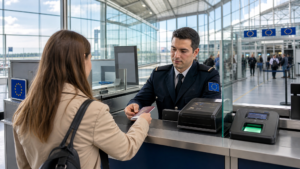
- Visa requirements: EU/Schengen citizens can enter all 10 countries freely. US, UK, Canadian, and Australian passport holders get visa-free access to all 10 for tourist stays of up to 90 days. Turkey requires an e-visa (roughly 50 USD) for some nationalities, check evisa.gov.tr before booking.
Why Eastern and Southern Europe Are So Affordable in 2026
Three factors keep prices low in these countries, and they are not going away anytime soon.
Lower cost of labor. Average wages in Romania, Bulgaria, and Albania are 3 to 5 times lower than in Germany or France. Since labor is the biggest component of restaurant and hotel prices, this directly translates to cheaper travel. According to Eurostat, the average monthly net salary in Bulgaria is approximately 950 EUR compared to 2,800 EUR in Germany.
Currency advantage. Countries outside the Eurozone (Turkey, Romania, Poland, Hungary, Albania) have currencies that tend to weaken against the euro over time. This makes these destinations progressively cheaper for euro-holding travelers.
Lower tourism infrastructure costs. A beachfront restaurant in Albania does not pay the same rent as one in the South of France. These cost savings pass directly to travelers.
The window is narrowing, though. Albania and Montenegro are increasingly appearing in mainstream travel media. Croatia’s prices have risen noticeably since joining the Eurozone. If you want to catch these destinations at their cheapest, 2026 is better than 2027.
Frequently Asked Questions
What is the cheapest country to visit in Europe in 2026?
Albania is the cheapest country to visit in Europe in 2026, with average daily costs between 25 and 35 EUR including accommodation, meals, local transport, and one activity. Bulgaria and Romania are close seconds at 30 to 40 EUR per day.
How much money do I need per day for a budget trip in Europe?
A comfortable budget trip in Eastern and Southern Europe costs between 30 and 55 EUR per day. This covers a hostel or budget hotel, three meals at local restaurants, public transport, and one paid attraction. Western European capitals typically cost 80 to 150 EUR per day by comparison.
Is Turkey considered part of Europe for budget travel?
Turkey straddles Europe and Asia, with Istanbul and Thrace located on the European continent. For budget travelers, Turkey offers some of the lowest costs in the region at 25 to 40 EUR per day, and is easily accessible from other European destinations by air or overland.
What is the best time of year to visit cheap European countries?
The shoulder seasons of April to June and September to October offer the best value. Prices drop 20 to 40% compared to July and August, the weather is pleasant, and popular sites are far less crowded. Winter travel (November to March) is cheapest of all in non-ski destinations.
Can I travel Europe on 30 EUR a day?
Yes, you can travel on 30 EUR a day in countries like Albania, Bulgaria, Romania, and Turkey. This requires staying in hostels or budget guesthouses, eating at local restaurants rather than tourist spots, using public transport, and focusing on free attractions like hiking, beaches, and walking tours.
Bottom Line: Your 2026 Budget Europe Trip Starts Here
Europe does not have to be expensive. The 10 countries in this guide prove that you can explore ancient ruins, swim in crystal-clear seas, eat incredible food, and stay in comfortable accommodation for 25 to 55 EUR per day.
Albania and Turkey are the absolute cheapest options. Bulgaria and Romania offer the best balance of low cost and high quality. Portugal and Greece deliver the most recognizable “European” experience at budget prices. And Poland and Hungary sit right in the middle, cheap enough to be easy on the wallet, developed enough to feel effortless.
The most important thing is to start. Pick one country from this list, book a flight 6 to 8 weeks from now, and give yourself permission to figure out the rest as you go. Budget travel in Europe is forgiving, a wrong turn usually leads to a better story, not a financial disaster.
For more destination guides, itineraries, and budget breakdowns, explore our best European beaches guide and our complete Eurail Pass guide for 2026.
About the Author
The EuroTripFinder Travel Team is a group of travel writers and budget travel specialists who have collectively visited over 40 European countries. Our guides are based on first-hand experience, verified pricing data from Numbeo, Eurostat, and booking platforms, and input from a network of travelers across the continent. We update our cost data quarterly to ensure accuracy. Learn more about our team.
Last updated: April 2026. Prices and visa requirements are subject to change. Always verify current entry requirements with your country’s foreign affairs department before traveling.
FAQ
Why trust this information?
Profiles follow a quality checklist and are updated when new verified data is available.
How do I request corrections?
Use the contact page to submit updates with supporting details.