Quick Answer
Bottom line: This profile helps you evaluate European travel services fast with essential decision data.
Key Facts
- Verification status: editorially reviewed
- Data refresh cycle: ongoing
- Best for: users comparing options quickly
Krakow 3-Day Itinerary: The Best Things to Do in 2026
Disclosure: This post contains affiliate links. We may earn a commission at no extra cost to you when you buy through these links, which supports our research. Best Budget Eastern Europe Trip 2026: Prague, Budapest, Krakow…
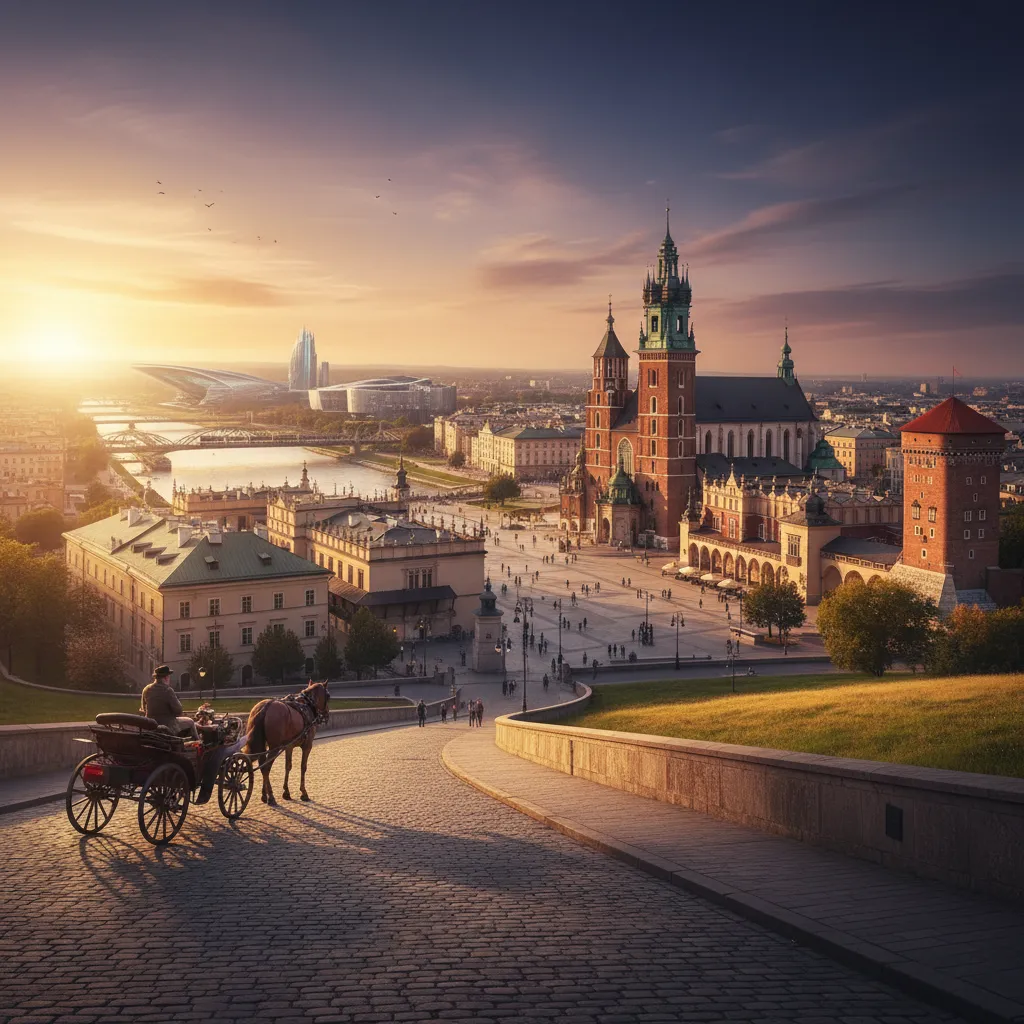
Krakow is Poland’s cultural heart, a former royal capital, and miraculously, the only major Polish city to escape World War II without being levelled. While Warsaw was rebuilt from rubble, Krakow’s medieval Old Town, the historic Jewish Quarter of Kazimierz, and the royal hill of Wawel remain original structures dating back centuries. This UNESCO World Heritage site offers a tangible connection to the past that is rare in modern Europe. What many tourists miss is the city’s vibrant energy; Krakow’s population of 800,000 is swelled by over 200,000 students attending the prestigious Jagiellonian University, founded in 1364. Nicolaus Copernicus was a graduate here, contributing to a young, intellectual, and bar-heavy nightlife that has largely outgrown its “stag party” reputation of the early 2000s.
This Krakow 3-day itinerary is designed for travelers who want the authentic experience. It covers the grandeur of the royal capital, the somber history of the 20th century at Auschwitz-Birkenau, and the modern culinary scene fueled by pierogi and craft vodka. All of this comes at prices that make Western European capitals look absurdly expensive. Whether you are visiting during the spring blooms or the magical winter snows, this guide ensures you maximize every hour. With ETIAS regulations potentially shifting travel logistics in 2026, planning ahead is more crucial than ever to secure entry to high-demand sites. From the moment you step off the train at Kraków Główny, you are immersed in a city where history is not just preserved but lived.
Find flights to Krakow on Aviasales. Ryanair and Wizz Air run frequent, cheap European routes to John Paul II Airport.
Is Krakow Worth Visiting in 2026?
Absolutely. Despite rising inflation across Europe, Krakow remains one of the most affordable cultural capitals on the continent. For 2026, visitors can expect enhanced digital ticketing systems at major attractions and improved rail connectivity connecting Central Europe. The city balances deep historical gravity with a vibrant contemporary arts scene. Below are the quick facts you need to budget and plan effectively. The value proposition here is unmatched; you can enjoy a three-course meal with wine for the price of a single sandwich in London or Paris.
TL;DR: Quick Facts for Your Trip
- Total budget: €170–360 per person for 3 days (mid-range), excluding flights. This remains one of Europe’s biggest bargains compared to Paris or London, where a similar trip could cost triple.
- Best months: May, June, or September for mild weather and lighter crowds. December is ideal for the massive Christmas market on Rynek Główny, though temperatures often drop below freezing.
- Must-do: Walk Rynek Główny at dawn, visit Wawel Castle, eat pierogi at a “Milk Bar,” take a guided tour of Auschwitz-Birkenau, and sample vodka at a proper wódka bar.
- Skip: The “Wieliczka Salt Mine express tour” sold by third parties at inflated prices. Book direct on the official site for half the cost.
- Getting around: Walk the Old Town (it is tiny). Use the tram for further afield. A 3-day transport ticket is roughly 36 PLN (€8.40).
How Do You Spend 3 Days in Krakow?
To truly understand Krakow, you must balance the medieval royalty with the tragic history of the Holocaust and the modern revival of the Jewish district. Here is a day-by-day breakdown optimized for logistics and experience, ensuring you see the highlights without burning out. This schedule assumes a moderate pace, allowing time for coffee breaks and spontaneous discoveries in the cobblestone alleyways.
Day 1: The Royal Route and Old Town
Start your journey at the Main Market Square (Rynek Główny), the largest medieval town square in Europe. Arrive by 8:00 AM to see the Cloth Hall (Sukiennice) before the tour groups arrive. Listen for the Hejnał Mariacki trumpet call from St. Mary’s Basilica, which plays every hour on the hour. Legend says the tune stops abruptly to commemorate a trumpeter shot in the throat during a Mongol invasion. Inside the basilica, view Veit Stoss’s breathtaking wooden altarpiece. Note that entering the main nave is free, but climbing the tower or visiting the museum requires a small fee. Afterward, walk along the Planty Park, the green ring that surrounds the Old Town, offering a peaceful respite from the city bustle.
Walk the Royal Route down Grodzka Street to Wawel Castle. Don’t just look at the walls; enter the cathedral to see the royal tombs and visit the Dragon’s Den (Smocza Jama) at the foot of the hill. The State Rooms and Royal Private Apartments require separate tickets, which should be booked online weeks in advance for 2026 travel. End your day with a traditional dinner at a Milk Bar (Bar Mleczny) for authentic, subsidized Polish comfort food like placki ziemniaczane (potato pancakes). Bar Mleczny Pod Wawelem is a historic favorite near the castle, offering a glimpse into the communist-era dining culture that still survives today.
Day 2: Auschwitz-Birkenau and Schindler’s Factory
This is the heaviest day of your trip. The Auschwitz-Birkenau Memorial and Museum is located 70km west of Krakow. You must book tickets at least 3 months in advance for 2026 travel, as slots fill rapidly. The train from Krakow Główny to Oświęcim takes 1.5 hours and costs about 15 PLN. Alternatively, organized buses depart from the main station. Spend 4 to 5 hours here to fully absorb the magnitude of the site, ensuring you visit both Auschwitz I and the larger Auschwitz II-Birkenau camp. Large bags are not permitted inside, so travel light. It is a deeply emotional experience that requires mental preparation.
Upon returning to Krakow, visit Oskar Schindler’s Enamel Factory in the Podgórze district. This museum provides essential context on the Jewish Ghetto and the Nazi occupation, serving as a poignant follow-up to the morning’s visit. The exhibit “Krakow Under Nazi Occupation 1939-1945” is world-class and requires separate booking. The factory is located in a former industrial zone, now revitalized with cafes and museums. It is closed on Mondays, so plan your itinerary accordingly to avoid disappointment. Afterward, cross the Liberty Bridge to return to the city center, reflecting on the resilience of the city.
Day 3: Kazimierz and Cultural Immersion
Dedicate your final day to Kazimierz, the historic Jewish Quarter. Once a separate city, it is now the bohemian heart of Krakow. Visit the Old Synagogue and Remuh Synagogue to learn about the pre-war Jewish community that once thrived here. Walk through Plac Nowy and try a Zapiekanka (an open-faced toasted sandwich) from the round market building in the center of the square; it is the city’s favorite late-night snack. Okrąglak is the most famous vendor, often with a queue. The area is filled with street art, vintage shops, and a relaxed atmosphere that contrasts with the formal Old Town.
In the evening, explore the cellar bars and jazz clubs that line the narrow cobblestone streets. Popular venues include Alchemia and Singer, where tables are made from old sewing machines. If time permits, take a short tram ride to the MOCAK Museum of Contemporary Art for a look at Poland’s modern creative scene before departing. For a relaxing end to your Krakow 3-day itinerary, consider a Vistula River cruise at sunset to see the city lights from the water. This perspective offers a unique view of Wawel Castle illuminated against the night sky, providing a perfect closing memory to your trip.
What Are the Logistics for Getting Around?
Krakow John Paul II Airport (KRK) is 11 km west of the centre. The train runs direct to Kraków Główny (main station) every 30 minutes for 17 PLN (€4), taking just 20 minutes. The 208 bus is 6 PLN (€1.40) and takes 40 minutes. A taxi from the official rank costs around 80–100 PLN (€19–24). Avoid unofficial taxis soliciting inside the terminal as they often charge double the standard rate. Use the Bolt or Uber apps for reliable pricing if trains are not running late at night. Public transport is efficient, clean, and safe, making it the preferred method for most travelers.
For rail travellers, Krakow is on the Polish and international network. Direct trains run from Warsaw (2h30 by Pendolino, 150 PLN / €35), Prague (8h, €35–55), Berlin (via Warsaw, 10h), and Budapest (via Katowice, 8h). All trains arrive at Kraków Główny, a 5-minute walk from Old Town. Within the city, download the Jakdojade app for real-time tram and bus schedules. It is indispensable for navigating the public transport network efficiently. Consider purchasing the Krakow Card if you plan to visit multiple museums, as it includes public transport and entry to over 40 attractions, potentially saving you significant money.
Currency Note: Poland uses the Polish Złoty (PLN), not the Euro. While some tourist traps accept Euros, the exchange rate will be poor. Use ATMs (Euronet or bank ATMs) to withdraw cash, or pay by card which is accepted almost everywhere, even at small market stalls. Tipping is customary; round up the bill or leave 10% for good service in restaurants. Ensure your bank card has no foreign transaction fees to save money. Also, consider getting an eSIM for data connectivity upon arrival to ensure your maps and translation apps work seamlessly.
Frequently Asked Questions
Yes, Krakow is consistently ranked as one of the safest cities in Europe. Violent crime against tourists is extremely rare. Standard precautions apply: watch your wallet in crowded trams and avoid unlicensed taxis at the airport. The city center is well-lit and patrolled late into the night, making it comfortable for evening walks.
If you are from the EU, USA, UK, Canada, or Australia, you do not need a visa for short stays (up to 90 days). However, starting in 2026, travelers from visa-exempt countries may need to register for an ETIAS travel authorization before arrival. Check official government sites for the latest requirements to ensure smooth entry.
Individual entry is possible but highly restricted. Between 10:00 AM and 3:00 PM, entry is only allowed with a licensed guide. To guarantee entry, booking a guided tour in advance is strongly recommended. Early morning or late afternoon slots sometimes allow independent visits, but these are limited.
Beyond Pierogi, you must try Żurek (sour rye soup served in a bread bowl), Bigos (hunter’s stew with sauerkraut and meat), and Oscypek (smoked sheep cheese) often sold by highlanders in the market square. For dessert, try Pączki (Polish donuts) which are widely available in bakeries throughout the city.
Yes, especially in the tourism and hospitality sectors. Most menus, signs, and transport information are available in English. Younger generations typically speak excellent English, making communication easy for international visitors. Even in smaller shops, you will usually find someone who can assist you in English.
Related reading: Athens Travel Guide 2026 · Porto 3-Day Itinerary · Profiles follow a quality checklist and are updated when new verified data is available. Use the contact page to submit updates with supporting details.FAQ
Why trust this information?
How do I request corrections?