Quick Answer
Bottom line: This profile helps you evaluate European travel services fast with essential decision data.
Key Facts
- Verification status: editorially reviewed
- Data refresh cycle: ongoing
- Best for: users comparing options quickly
# Barcelona Travel Guide 2026: What to See, Do & Eat
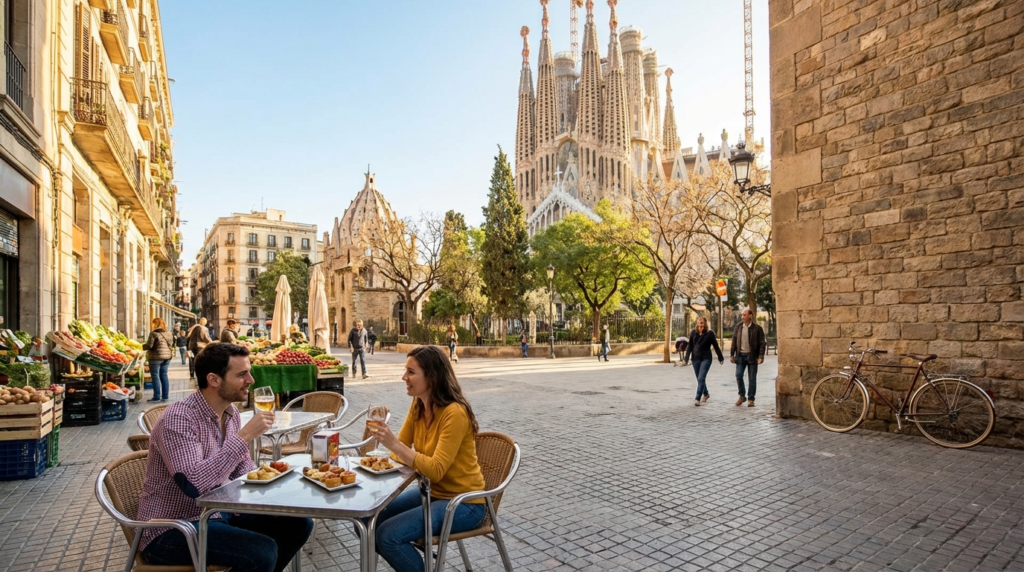
Barcelona is one of those cities that grabs you and just won’t let go. Honestly, the architecture alone justifies the flight, Gaudí basically treated the city like his personal canvas. You’ve got everything from the mind-bending Sagrada Família to the trippy Park Güell. But it’s more than just pretty buildings. Add in world-class food, beaches that actually feel like beaches, and a nightlife scene that doesn’t quit, and you’ll see why it’s still at the top of everyone’s Europe bucket list. Europe Off Season Budget Itinerary 2026: Travel More, Spe…
for 2026.
When to Visit Barcelona
Look, the honest truth is that you can go anytime, but every season has its quirks. Best Eastern Europe Road Trip 2 Weeks 2026: Routes That A…
Spring (March, May): This is my personal favorite. It’s warm enough for a beach day, but you won’t melt into the pavement. Plus, the crowds haven’t reached peak levels yet. The city really comes alive during the Semana Santa festival in April. Best Time to Visit Prague 2026: Avoid Crowds, Actually En…
Summer (June, August): This is peak season. It’s hot (usually 30–35°C), the beaches are packed, and you’ll need to book every single site weeks in advance. It’s fun, but it’s a lot. Europe Packing List Summer 2026: The Only Guide You Need
Autumn (September, October): Still warm, but the crowds start thinning out once school starts. In my experience, this is some of the best weather you’ll get all year. Definitely a solid choice.
Winter (November, February): It gets cool and you might see some rain. That said, the December Christmas markets are lovely, prices drop through the floor, and the city finally feels like it belongs to the locals again.
Getting to Barcelona
By Air: Barcelona El Prat (BCN) is the main hub. If you’re coming from the UK, you’ve got plenty of direct flights. Coming from the US? You’ll usually have a layover in Madrid, though you can often find direct flights on ITA or Iberia.
Getting from El Prat to the city center: Grab the Aerobus (€6.75, ~35 minutes to Plaça de Catalunya), jump on Metro Line L9 (€4.60), or just snag a taxi (~€30–40 depending on how bad the traffic is).
By Train: High-speed AVE trains are fantastic. They connect Barcelona to Madrid in just 2.5 hours. If you’re coming from Paris, the TGV takes about 6.5 hours. You’ll land at Barcelona Sants, the main station.
Essential Sights in Barcelona
Sagrada Família
This is Gaudí’s masterpiece and, frankly, the most impressive thing in Spain. It’s been under construction for over 140 years, and they’re finally looking to finish it around 2026-2030. What I find interesting is how the light hits the interior, the stained glass makes the whole place feel like it’s breathing.
You need to book tickets online way ahead of time. Don’t even bother showing up hoping for same-day tickets in the summer. A basic ticket is €26. Is it expensive? Yeah. Is it worth it? Absolutely.
Park Güell
Another Gaudí classic. It was supposed to be a housing estate but ended up as a public park instead. The mosaic terrace with the views of the city is iconic for a reason. You’ll need a €10 ticket for the Monumental Zone. Pro tip: Go at sunrise or sunset to avoid the worst of the crowds.
La Boqueria Market
Yes, the market off Las Ramblas is touristy. Yes, it’s crowded. But it’s still impressive. Go for the vibe and maybe a fresh fruit juice, but honestly? Don’t eat a full meal here. The tourist stalls are a rip-off. Walk to the very back where the locals are actually doing their grocery shopping. (source: U.S. travel advisories)
Gothic Quarter (Barri Gòtic)
This is the old medieval heart of town. My advice? Just get lost. Wander the narrow alleys around the Cathedral and find a hidden plaza to sit in. Just try to ignore the cheesy souvenir shops. (source: EU tourism statistics)
Barceloneta Beach
The city beach is clean and easy to get to. By 11 am in the summer, it’s a sea of umbrellas. I think early morning is the best time to be there, it’s quiet, the light is golden, and you’ll see locals out for their morning run. The water is actually great for a swim.
Casa Batlló and Casa Milà (La Pedrera)
You’ll find these two Gaudí gems on the Passeig de Gràcia. Both will cost you about €25–35 to get inside. If you have to choose just one? Go with La Pedrera. The rooftop terrace with those warrior-shaped chimneys is something you won’t forget.
El Raval and El Born Neighborhoods
Want to skip the tourist traps? Spend an afternoon in these spots. El Raval is gritty and cool, home to the MACBA (the contemporary art museum). El Born is full of boutique shops, the Picasso Museum, and some of the best tapas bars in the city.
What to Eat in Barcelona
The food scene here is on another level. Here is what you actually need to order.
Pan Con Tomate (Pa Amb Tomàquet)
The ultimate Catalan breakfast. It’s just bread rubbed with tomato and olive oil. It sounds boring, but when it’s done right, it’s perfection. You’ll see it at almost every meal.
Patatas Bravas
Crispy potatoes with spicy sauce and alioli. Every bar has them, but the quality varies a lot. Look for the places where the locals are hovering around the bar, that’s usually where the good stuff is.
Gambas al Ajillo
Prawns swimming in garlic oil. Do yourself a favor and order these at a bar near the water.
Jamón Ibérico
This isn’t your supermarket ham. Cured Iberian ham is a religious experience in Catalonia. Order a plate with some local cheese and a glass of cava.
Crema Catalana
Think of it as the Catalan version of crème brûlée, but with a thicker custard and a hint of citrus. You have to try it.
Where to Eat
– Bar Calders (Sant Antoni): Great tapas, better wine, and actual locals.
– El Xampanyet (El Born): Famous for their house cava. It’s tight and loud, but that’s the point.
– Cervecería Catalana (Eixample): The selection is huge. It’s always packed, so expect a wait.
– Bodega Sepúlveda: An old-school wine bar that’s both cheap and cheerful.
Nightlife in Barcelona
Barcelona nights start late and end even later. You’ll probably eat dinner at 10 pm. The clubs don’t even start moving until 2 am.
The main spots: El Born for cocktail bars, Gràcia for a local vibe, and the Port Olímpic area if you want to dance until the sun comes up. Cover charges are usually €10–20, which usually includes a drink. Plus, it’s always worth checking if you can get on a guest list.
Getting Around Barcelona
The metro is great, it’s clean, it’s fast, and it goes everywhere you’ll want to go. Grab a T-Casual card (10 journeys for €11.35); it’s the best value for a short trip.
Most of the center (Gòtic, El Born, Eixample) is totally walkable. If you want to hit the beach promenade, rent a bike. Taxis are metered and surprisingly affordable.
Practical Tips
Book ahead: Seriously. Sagrada Família, Park Güell, and the popular restaurants sell out. Don’t wing it and expect to get in.
Pickpockets: Worth mentioning, Las Ramblas and the Gothic Quarter are playground for pickpockets. Don’t be paranoid, just be smart. Use a crossbody bag and keep your phone in your front pocket.
Language: You’ll hear both Spanish and Catalan. Locals really appreciate it if you try a little Catalan. A simple “Gràcies” (thank you) goes a long way.
Tipping: You don’t have to, but it’s nice. Round up the change at a bar or leave about 10% at a restaurant if the service was great.
Beach safety: Don’t leave your bag unattended while you go for a swim. Bag snatching on the sand is the most common crime in the city.
Budget Guide
Budget traveler: €70–100/day (hostels, grocery store snacks, free walking tours)
Mid-range: €150–250/day (boutique hotels, nice dinners, paid attractions)
Luxury: €350+/day (design hotels, Michelin stars, private tours)
Bottom Line
Barcelona rewards people who explore. The big sights are famous for a reason, see them, but make sure you leave time to just wander. Find a local bar, order a coffee, and just watch the city move.
It’s a place that feels alive. Whether you’re there for the art, the beach, or the food, Barcelona always delivers.
Fins aviat!
Related Europe Guides
For planning and booking, compare current options on Aviasales before you finalize your trip.
FAQ
Why trust this information?
Profiles follow a quality checklist and are updated when new verified data is available.
How do I request corrections?
Use the contact page to submit updates with supporting details.